Community Comes Together for Earth Day: 58 Bags of Myrtle Spurge Removed
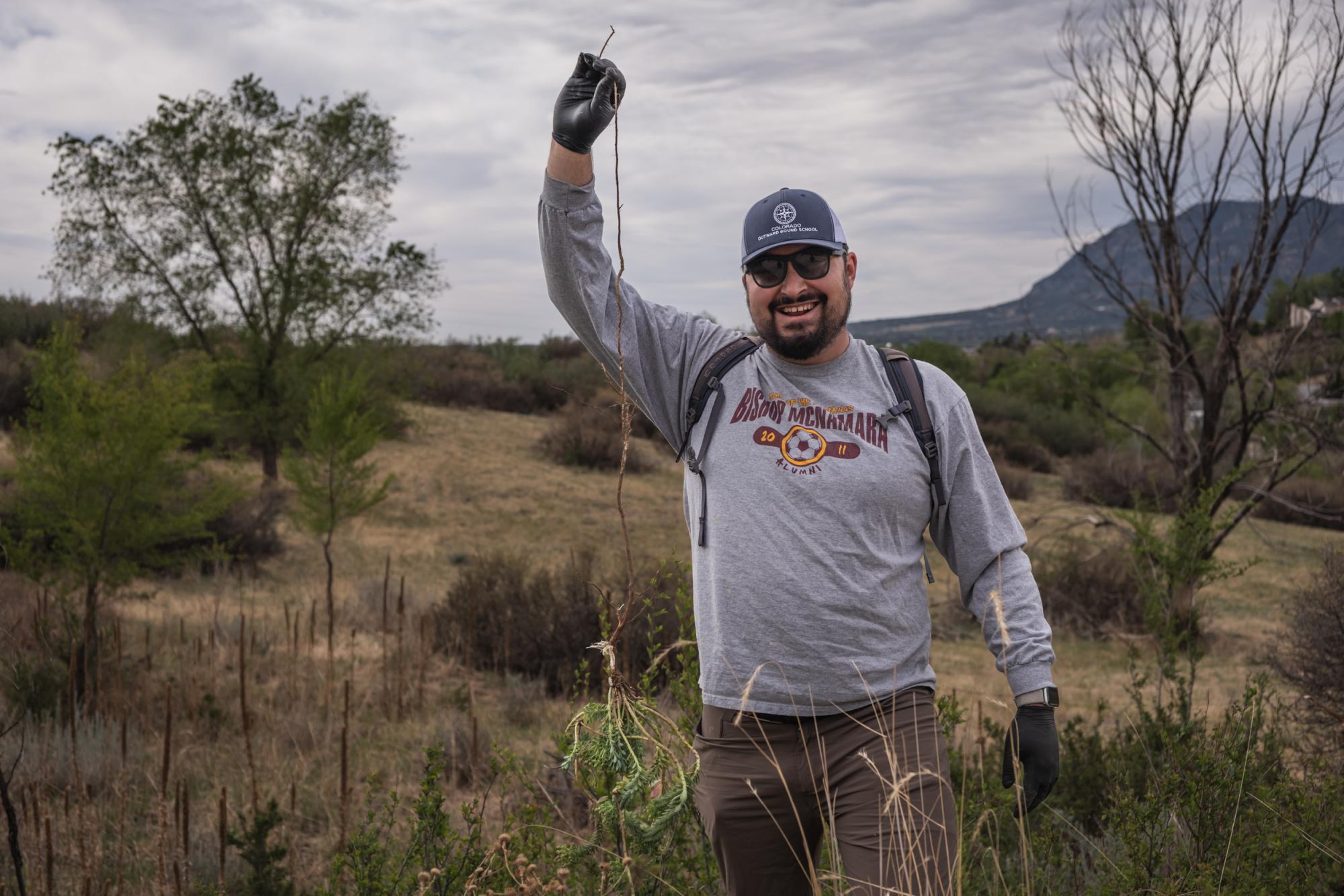
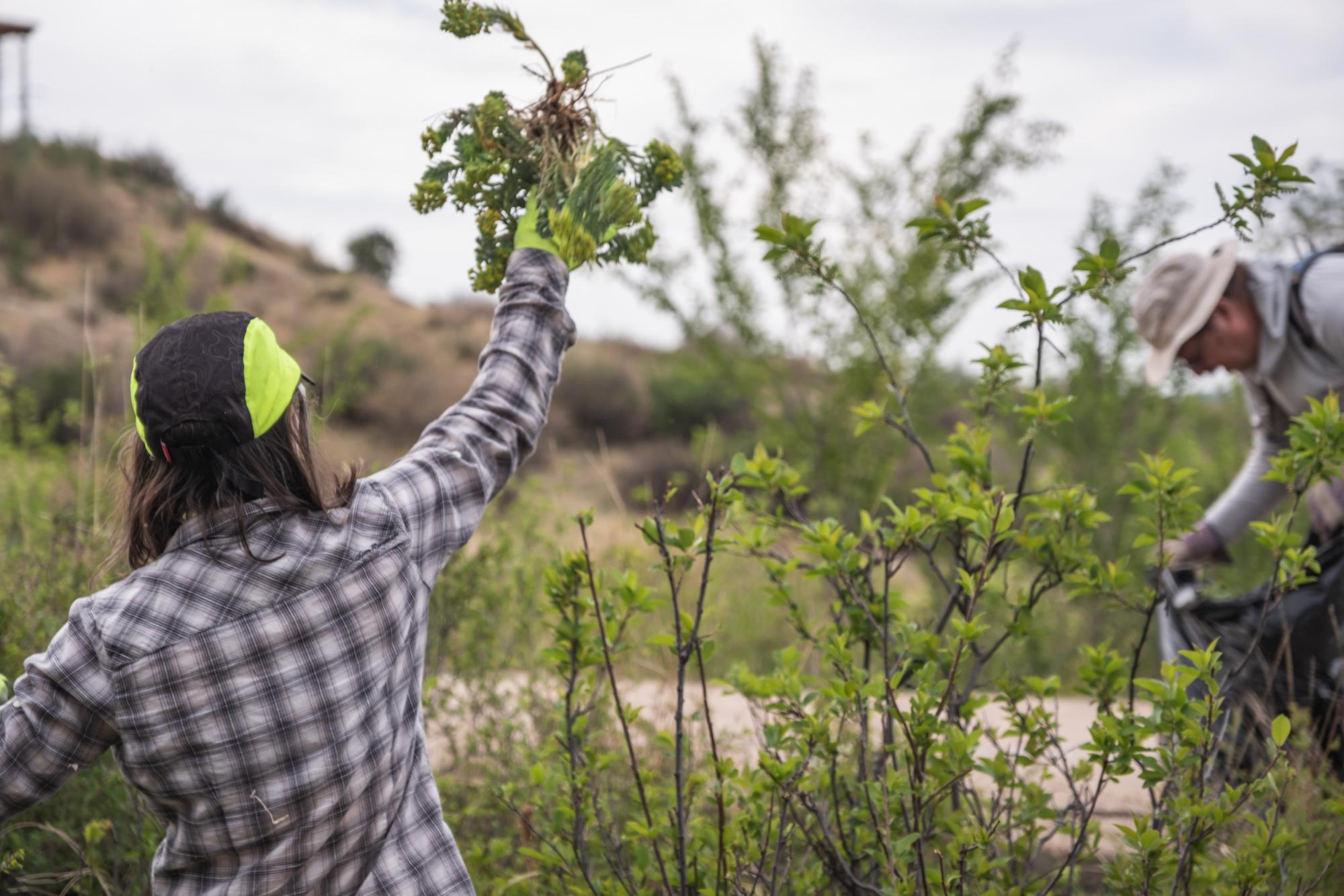
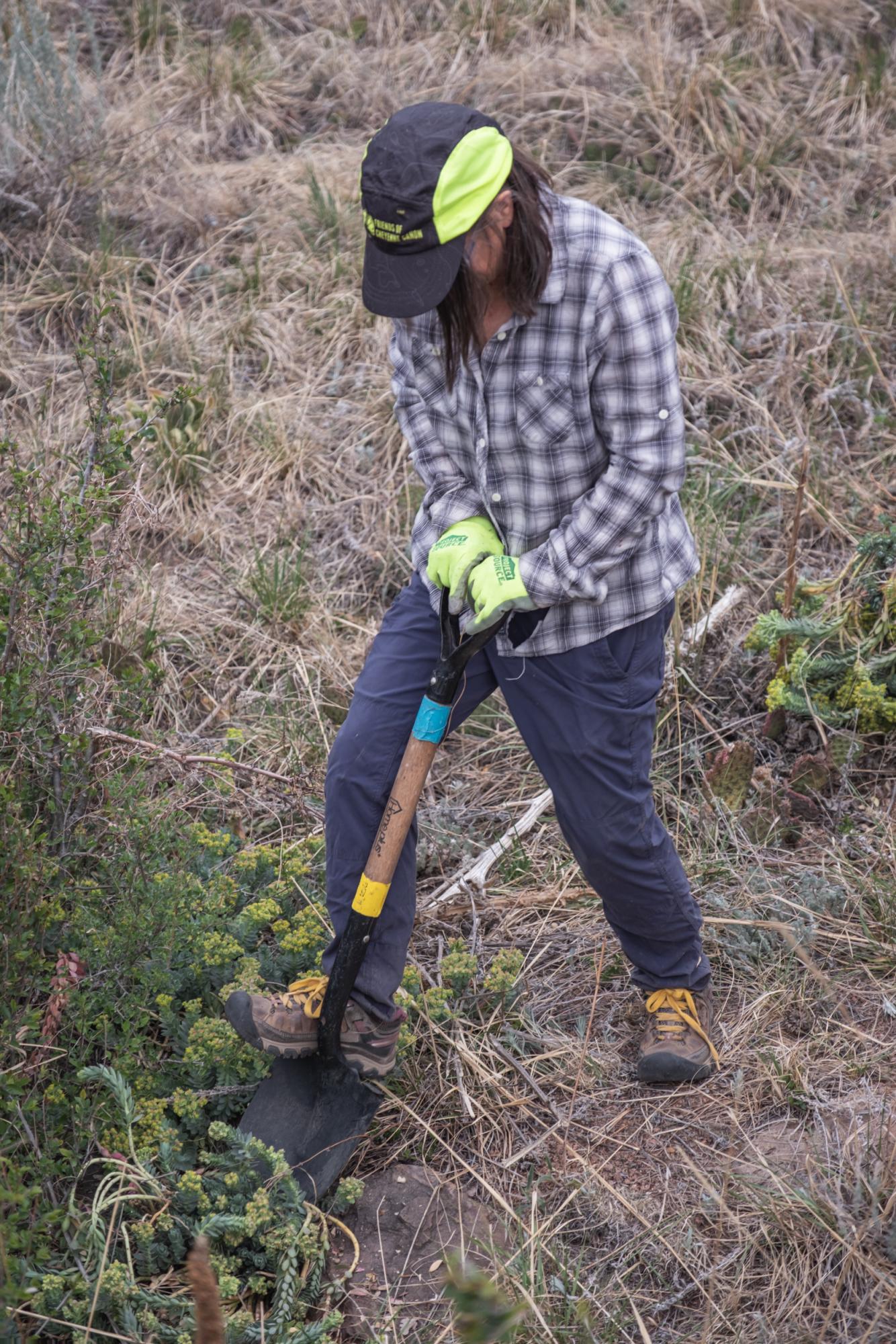
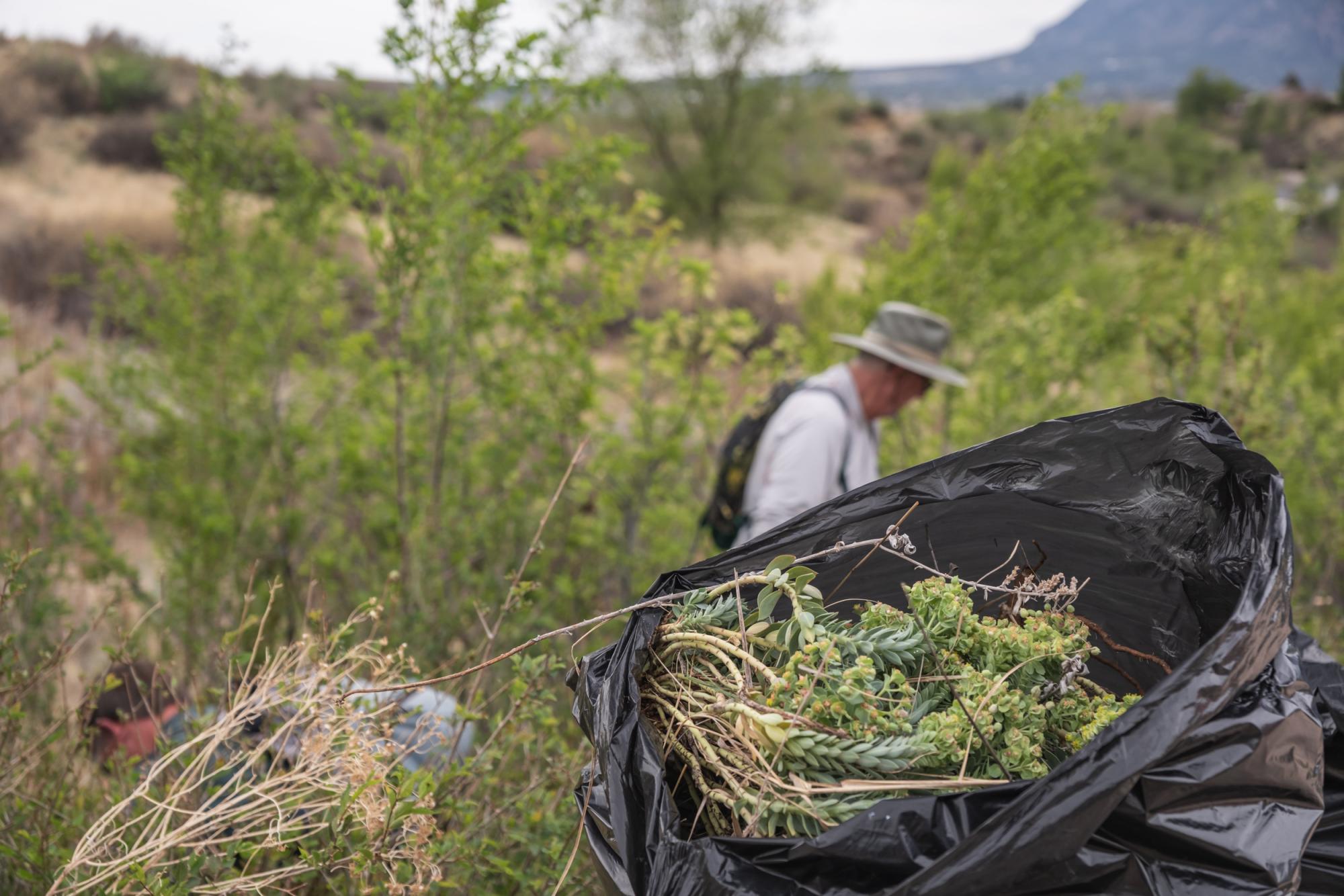
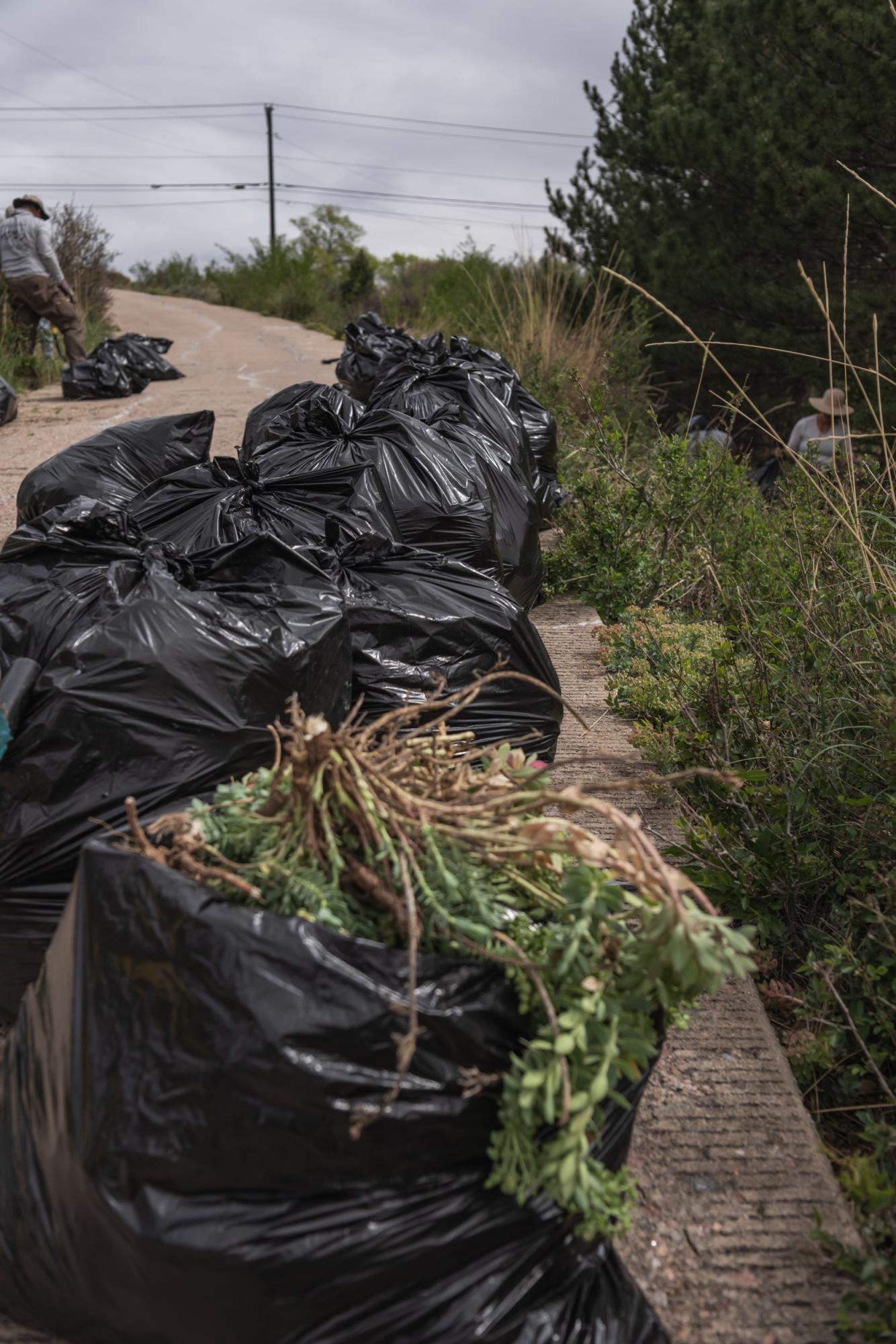
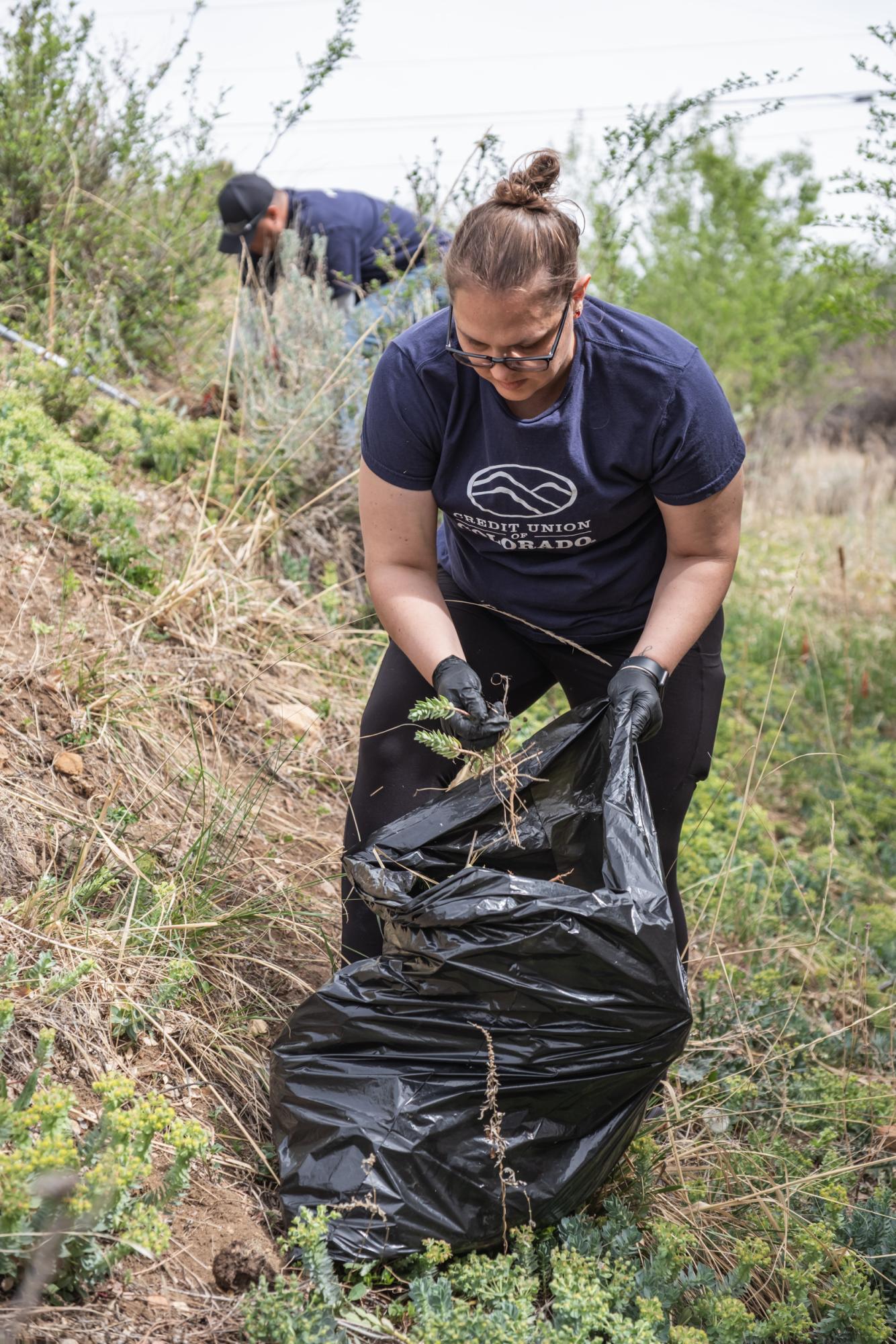
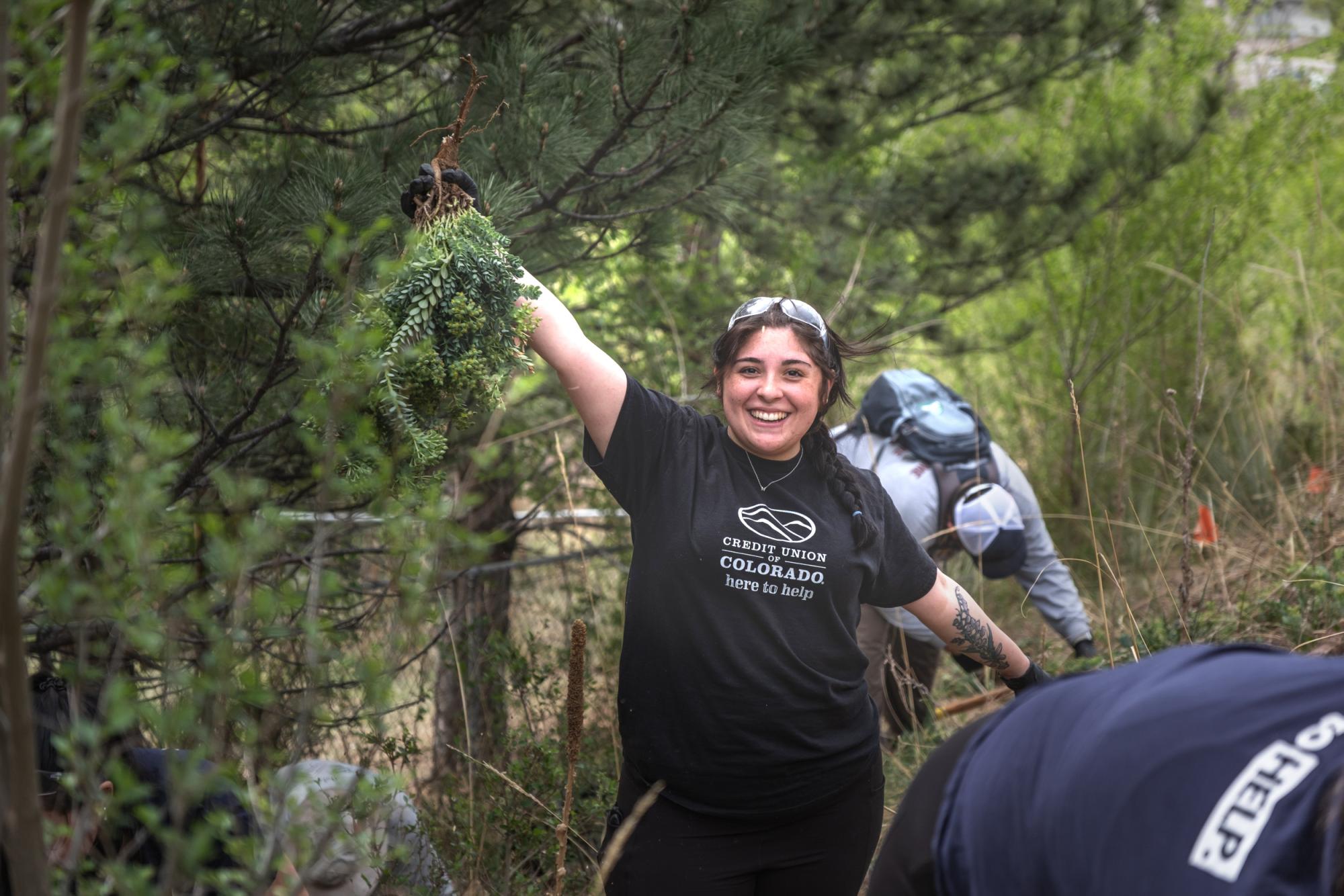
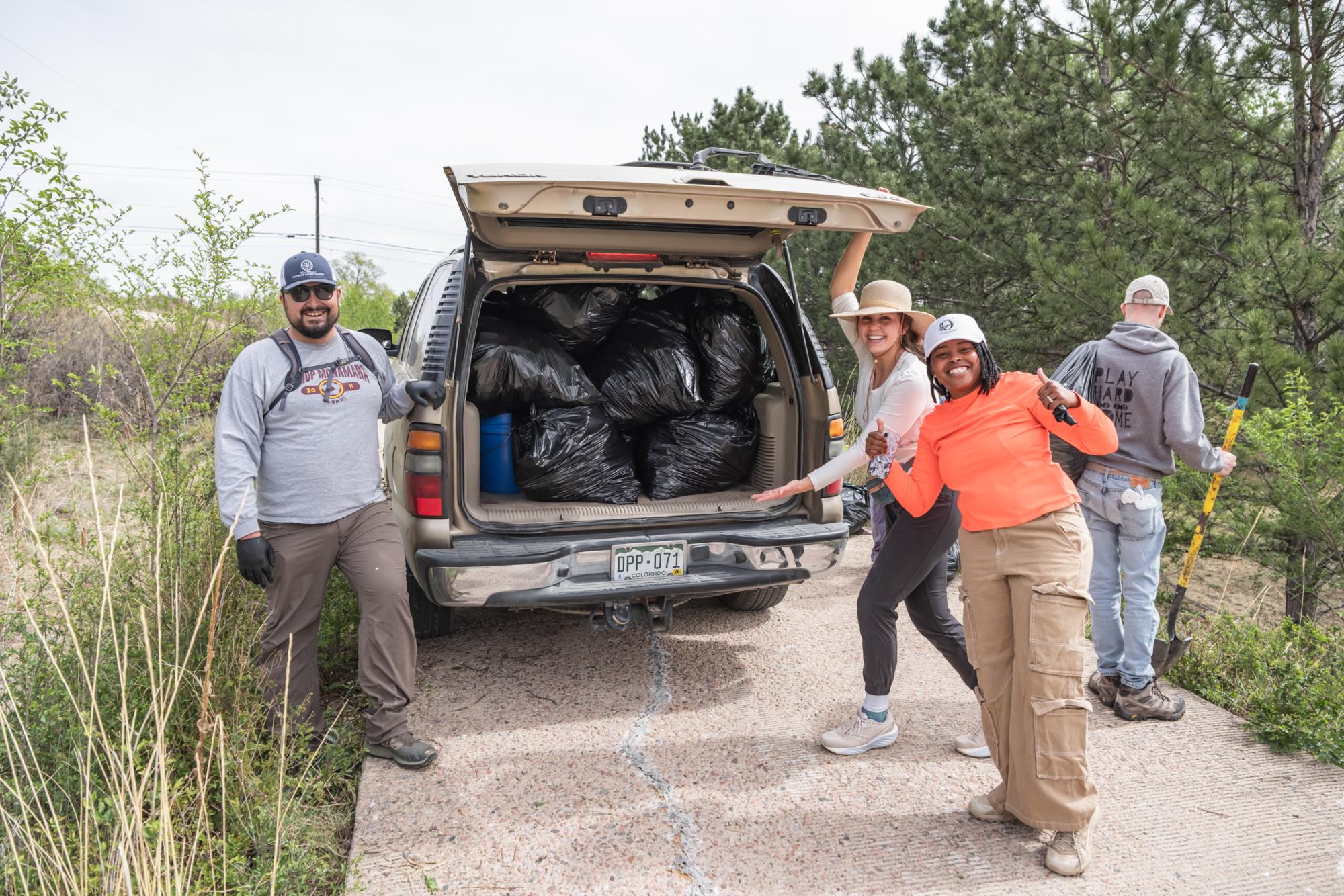
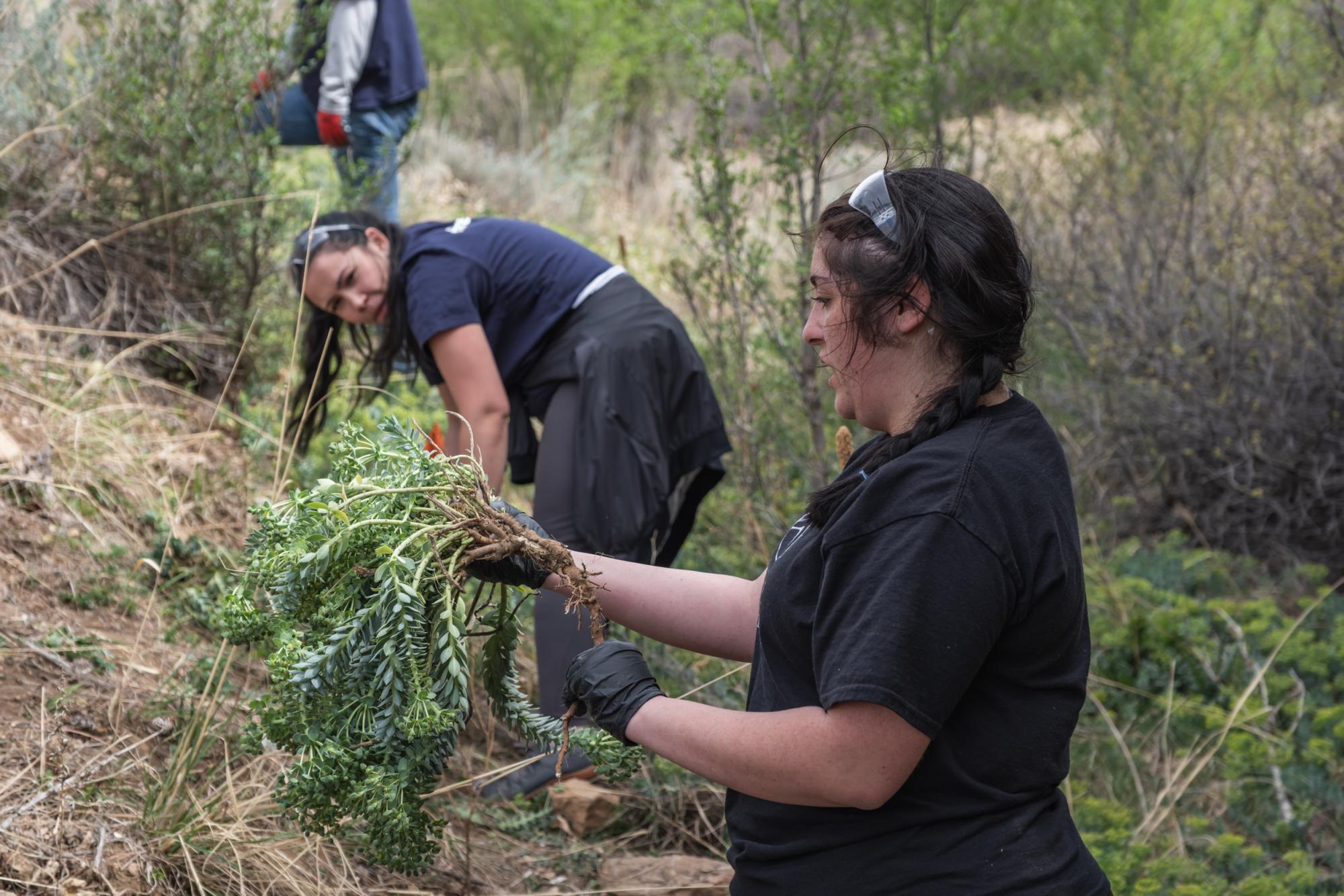
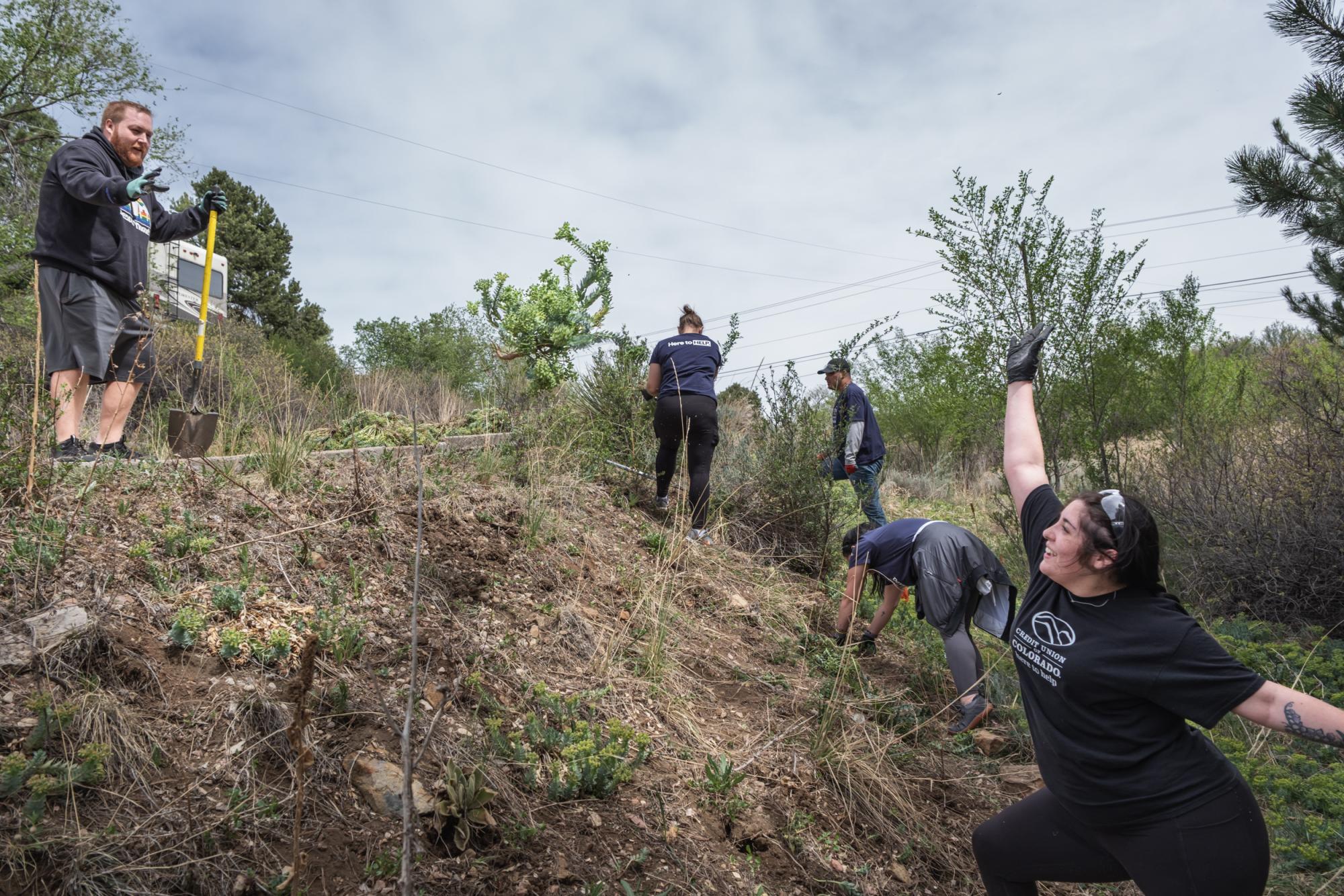
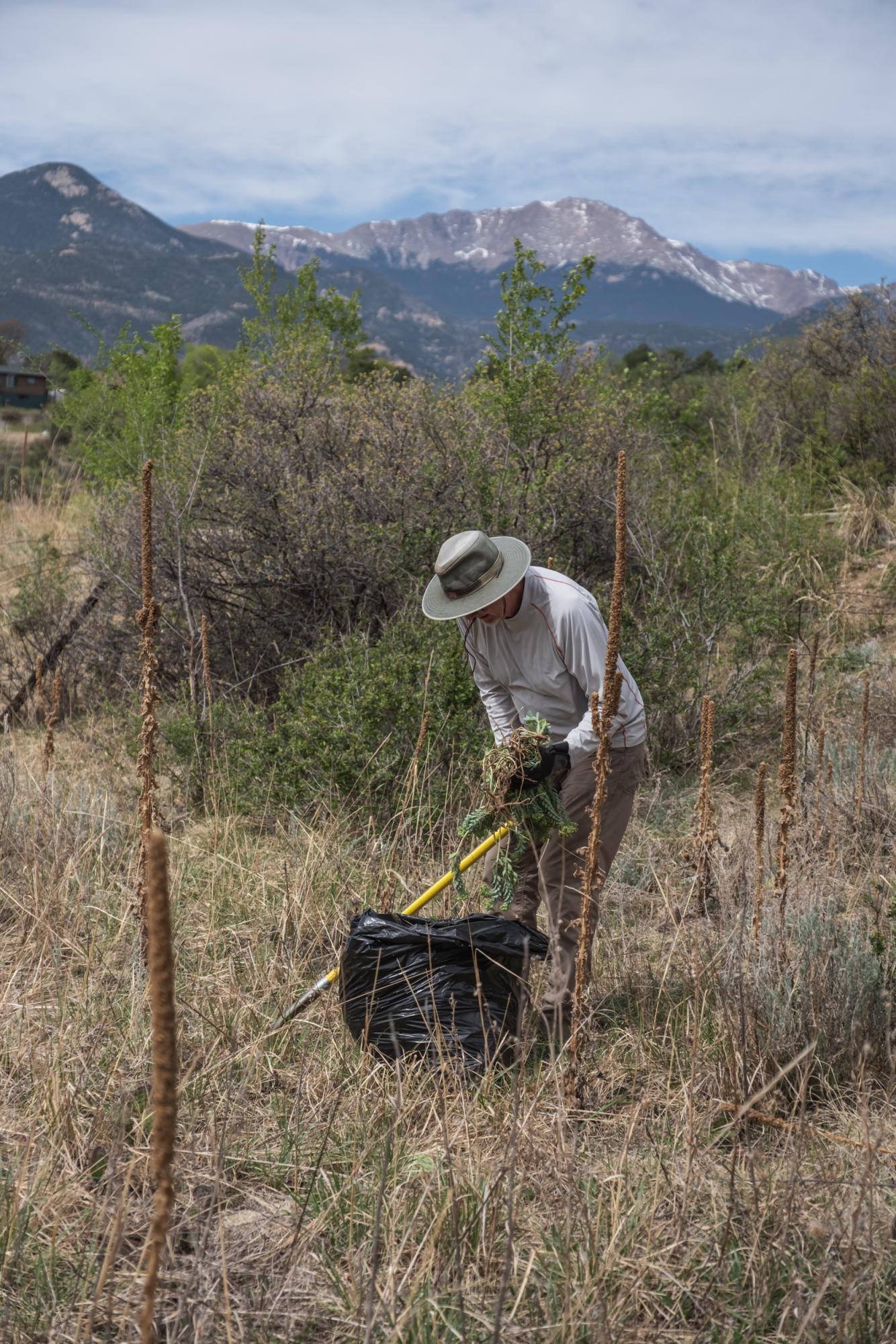
Back to blog feedUnder overcast skies at Mesa Valley Wildlife Preserve, volunteers bent low over the hillside, their gloved hands working to extract stubborn Myrtle Spurge from the soil. One plant after another came free—roots, stems, and all—landing in growing piles that would soon fill industrial-sized trash bags. By lunchtime, two dozen dedicated volunteers removed more than 58 bags of this invasive species from this small but vital urban sanctuary.
While uprooting weeds isn’t glamorous, those 58 bags represent something profound—the quiet, essential labor that allows native ecosystems to thrive. The removal of invasive species like myrtle spurge is unglamorous but meaningful work that creates cascading ecological benefits for Colorado's native plants and wildlife.
What Makes Myrtle Spurge So Problematic
Myrtle Spurge didn't arrive in Colorado by accident. Originally from the high-altitude regions of Europe and Asia—including the Caucasus Mountains—this drought-tolerant plant was intentionally brought to the American West as ornamental groundcover for xeriscaping. Homeowners appreciated its evergreen foliage and ability to thrive in our arid climate. But what works well in a contained garden bed rarely stays contained.
Once established, Myrtle Spurge spreads aggressively, outcompeting native plants for water, nutrients, and space in an already resource-limited environment. Its toxic, milky sap serves as an excellent defense mechanism against herbivores, and this same caustic quality can cause skin irritation in humans who handle it without protection.
At Mesa Valley Wildlife Preserve, a 19-acre urban oasis nestled in a Colorado Springs neighborhood, Myrtle Spurge threatens the preserve's fundamental purpose as wildlife habitat. When this invasive species forms dense carpets across the land, it displaces the native grasses, wildflowers, and shrubs that local birds, pollinators, and mammals depend on for food and shelter. These monocultures dramatically reduce biodiversity, transforming a complex, thriving ecosystem into biological monotony.
The challenge of eradicating Myrtle Spurge once it takes hold cannot be overstated. Seeds can remain viable in the soil for up to eight years, creating a persistent seed bank that can regenerate long after visible plants are removed. Which contributes to why the state of Colorado has placed Myrtle Spurge on its list of high-priority invasive species for removal—and why timing matters. The Earth Day volunteers arrived at a crucial moment: many plants hadn't yet dropped their seeds for the season, making removal particularly effective in preventing future spread.
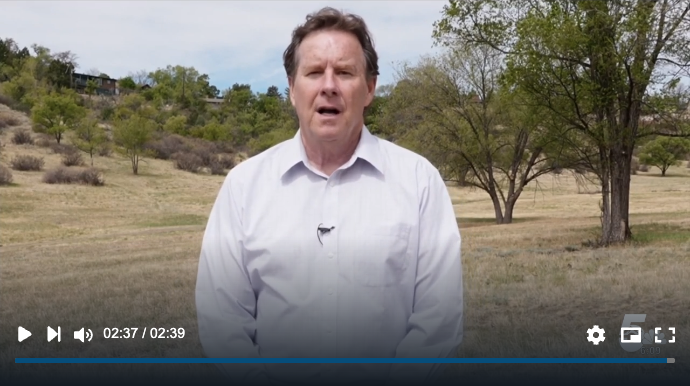
Watch the KOAA News 5 Segment Featuring the Event.
The Cascading Benefits of Removal
When volunteers pull Myrtle Spurge from the ground, they're doing more than simply removing an unwanted plant—they're opening space for native grasses and wildflowers to reclaim their rightful place in the ecosystem. These native species have evolved alongside Colorado's wildlife over millennia, creating relationships of mutual dependence that invasive species cannot replicate.
Native plants provide superior food sources for local wildlife. Where Myrtle Spurge offers little to no value for pollinators, birds, or small mammals, native wildflowers support butterflies, bees, and other insects, which in turn feed birds and bats.
By reducing competition for water, nutrients, and sunlight, the removal of Myrtle Spurge allows the preserve's native plant community to flourish with renewed vigor. This diversity strengthens the entire ecosystem's resilience, creating a more robust habitat that can better withstand future challenges—whether drought, disease, or the next invasive species that attempts to gain a foothold.
For the community, these benefits extend beyond ecological metrics. Mesa Valley Wildlife Preserve serves as an accessible urban oasis where neighbors can walk their dogs, birdwatchers can spot migrating species, and families can introduce children to nature without long drives. Protecting this preserve from invasive species maintains its scenic beauty and ecological function, ensuring it remains a valued community asset and a quiet retreat for those seeking connection with the natural world.
The Human Element: Why This Work Matters
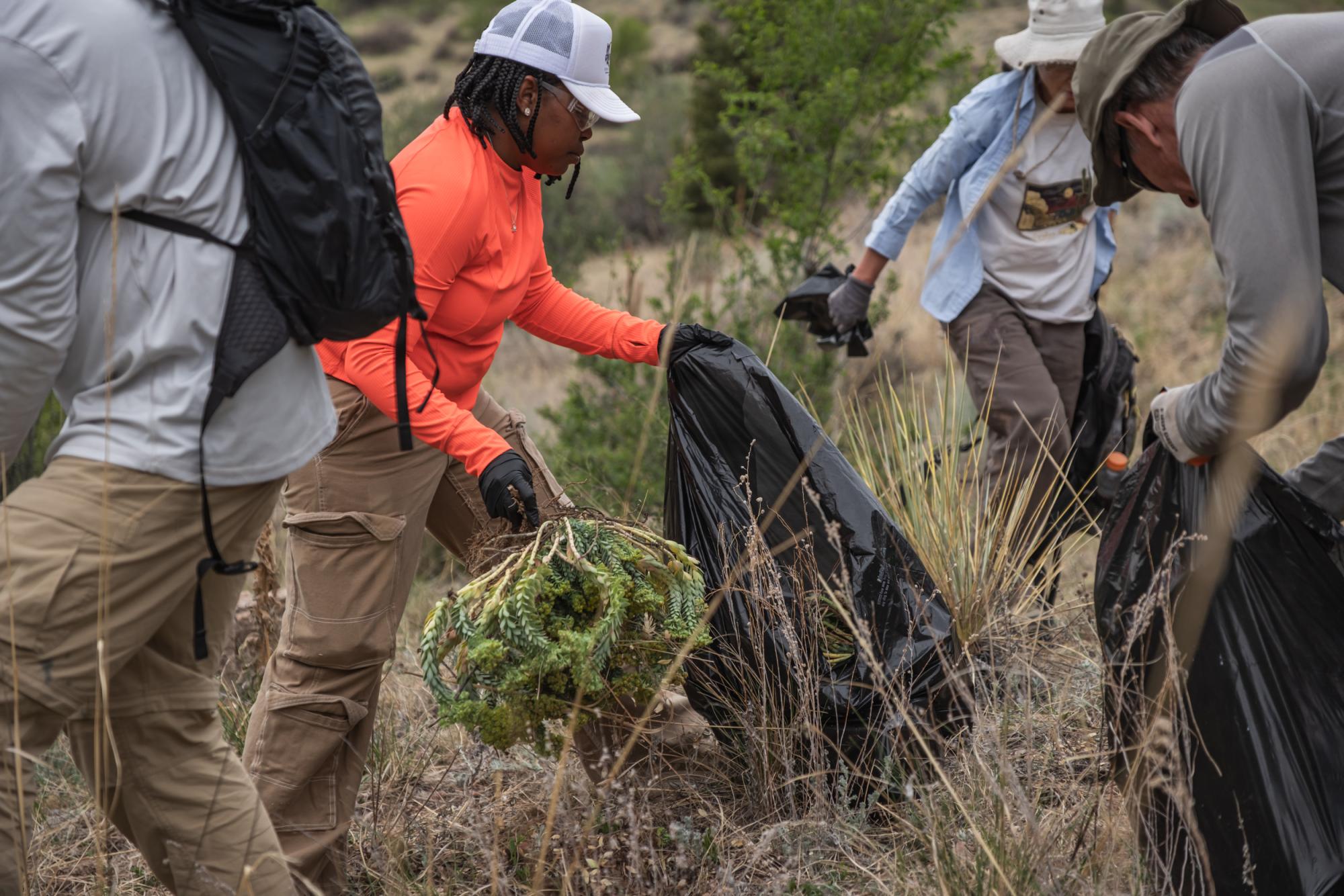
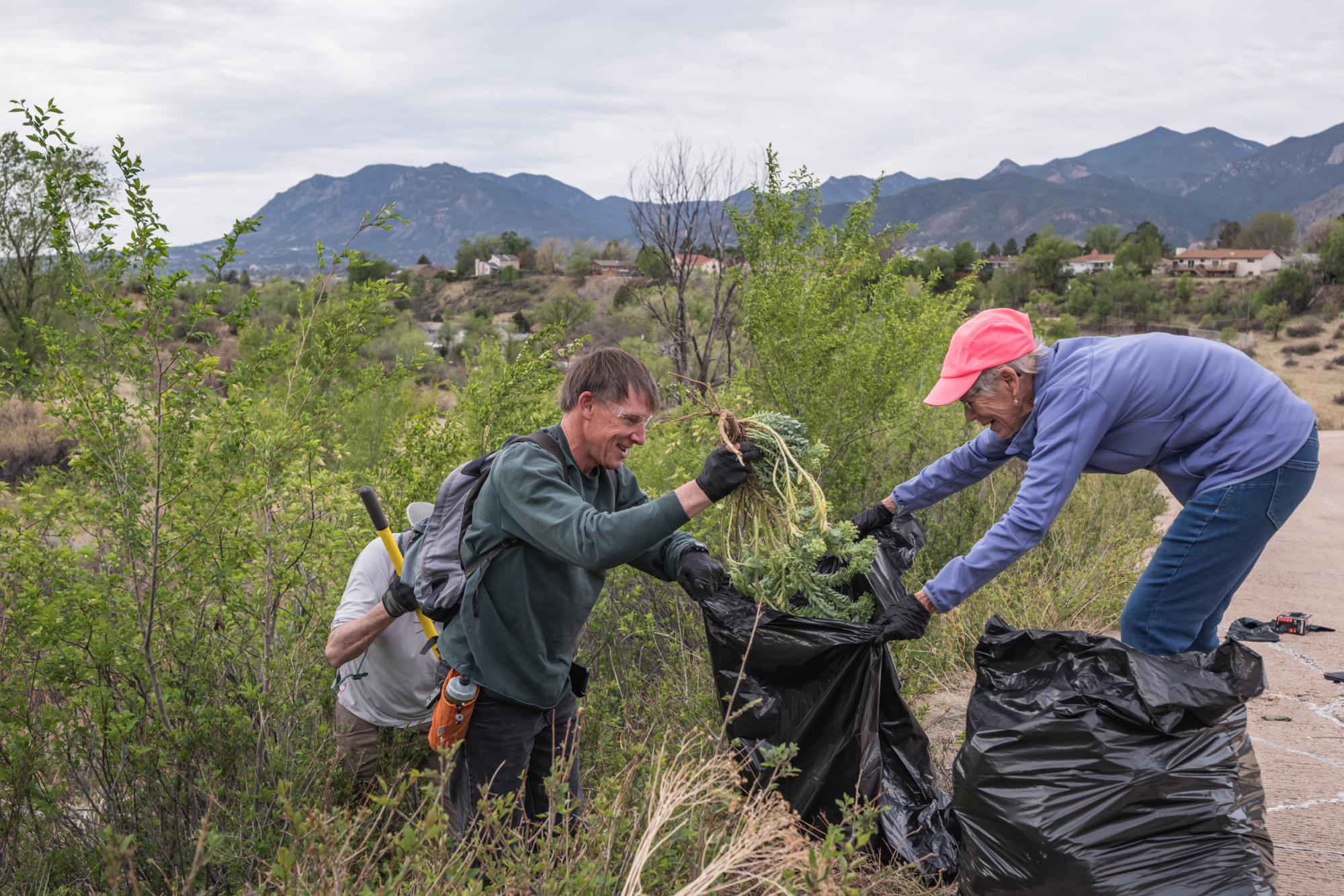
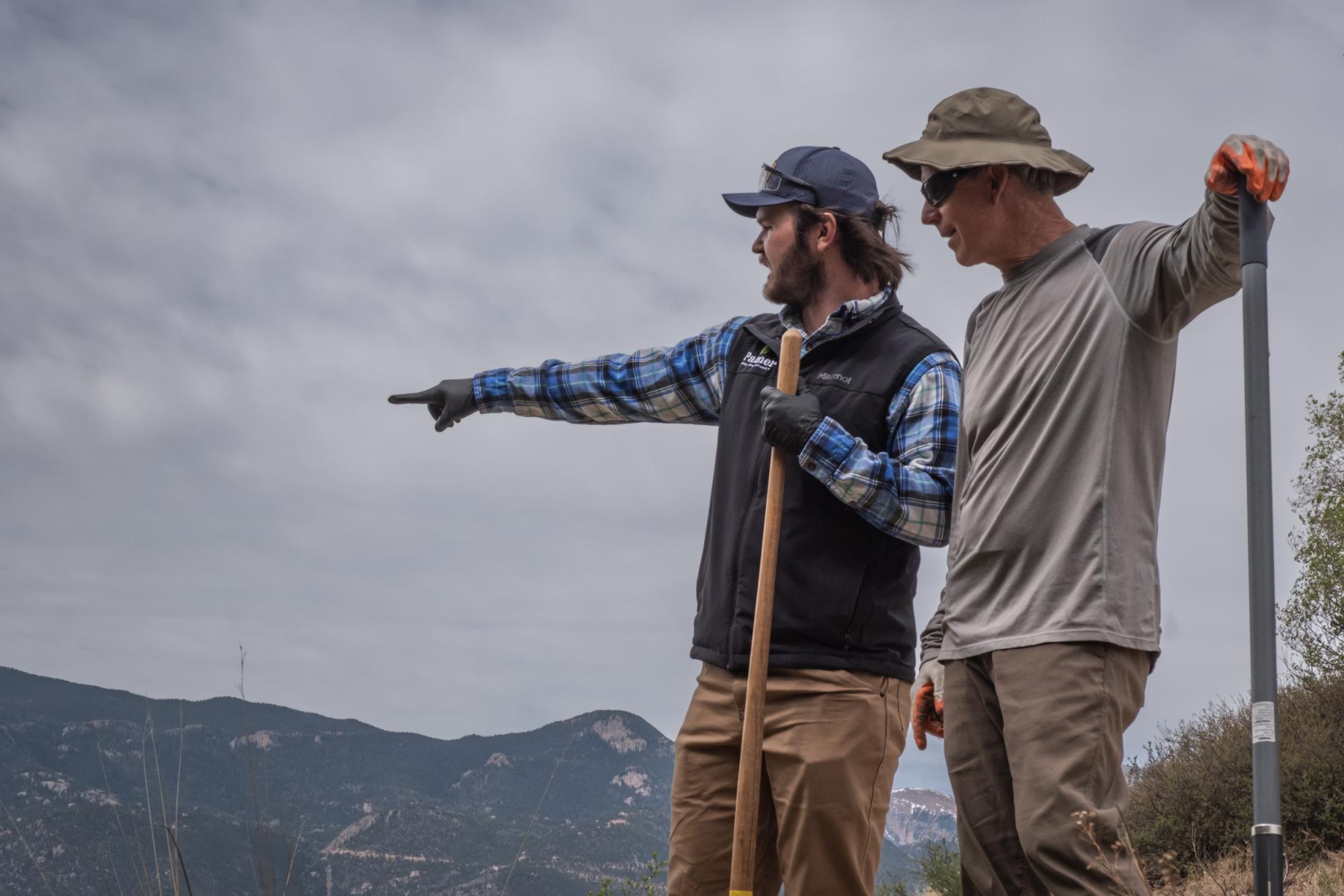
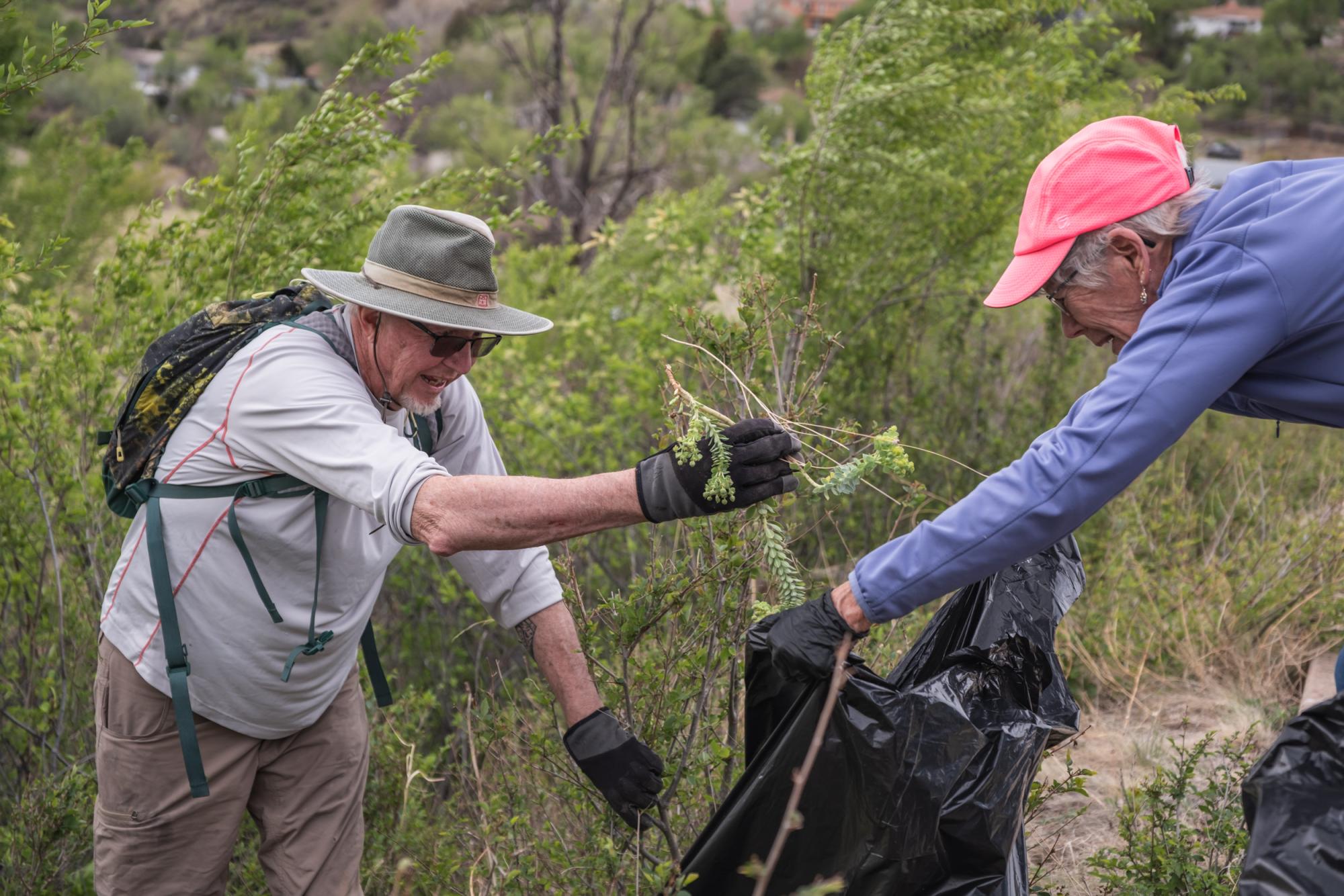
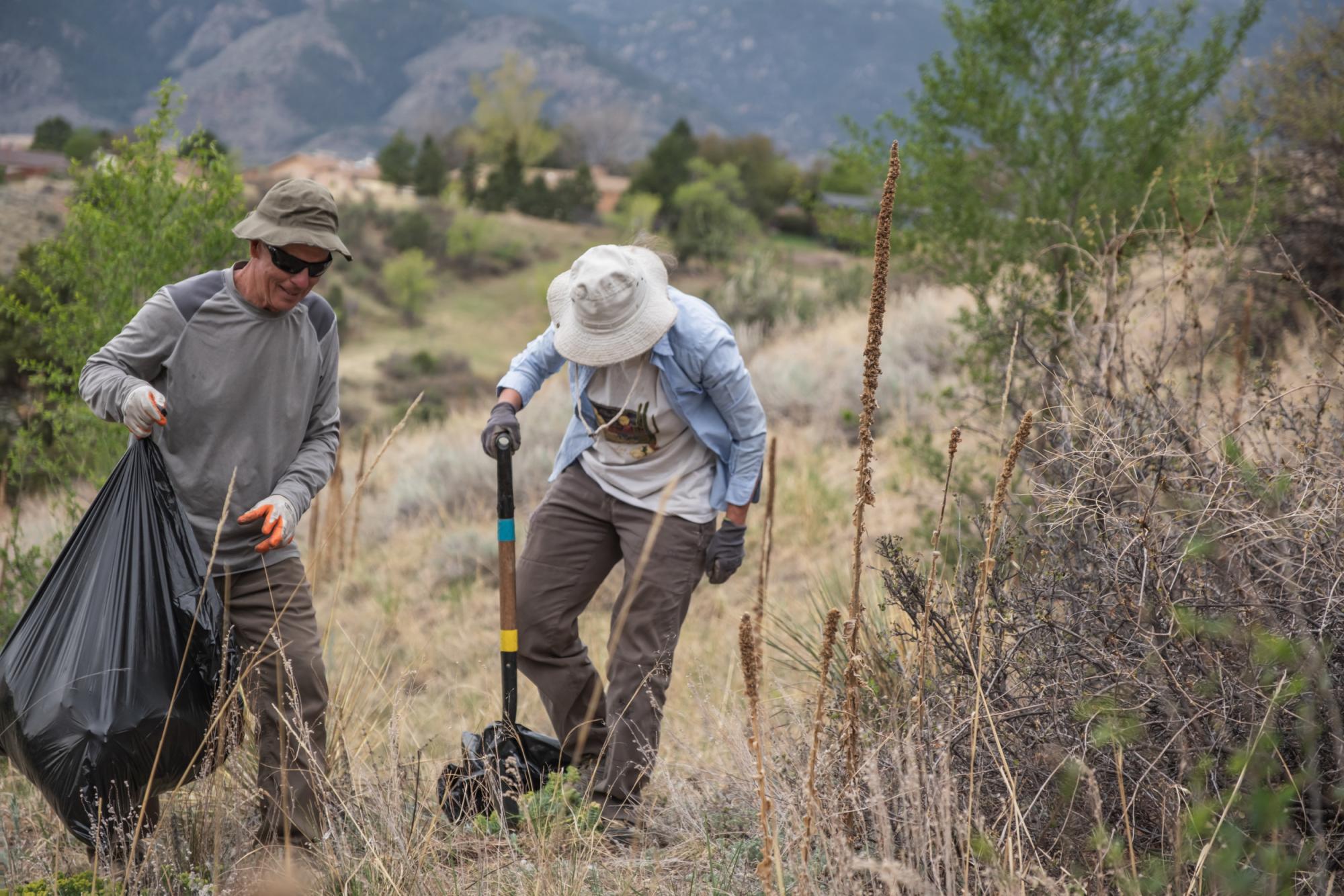
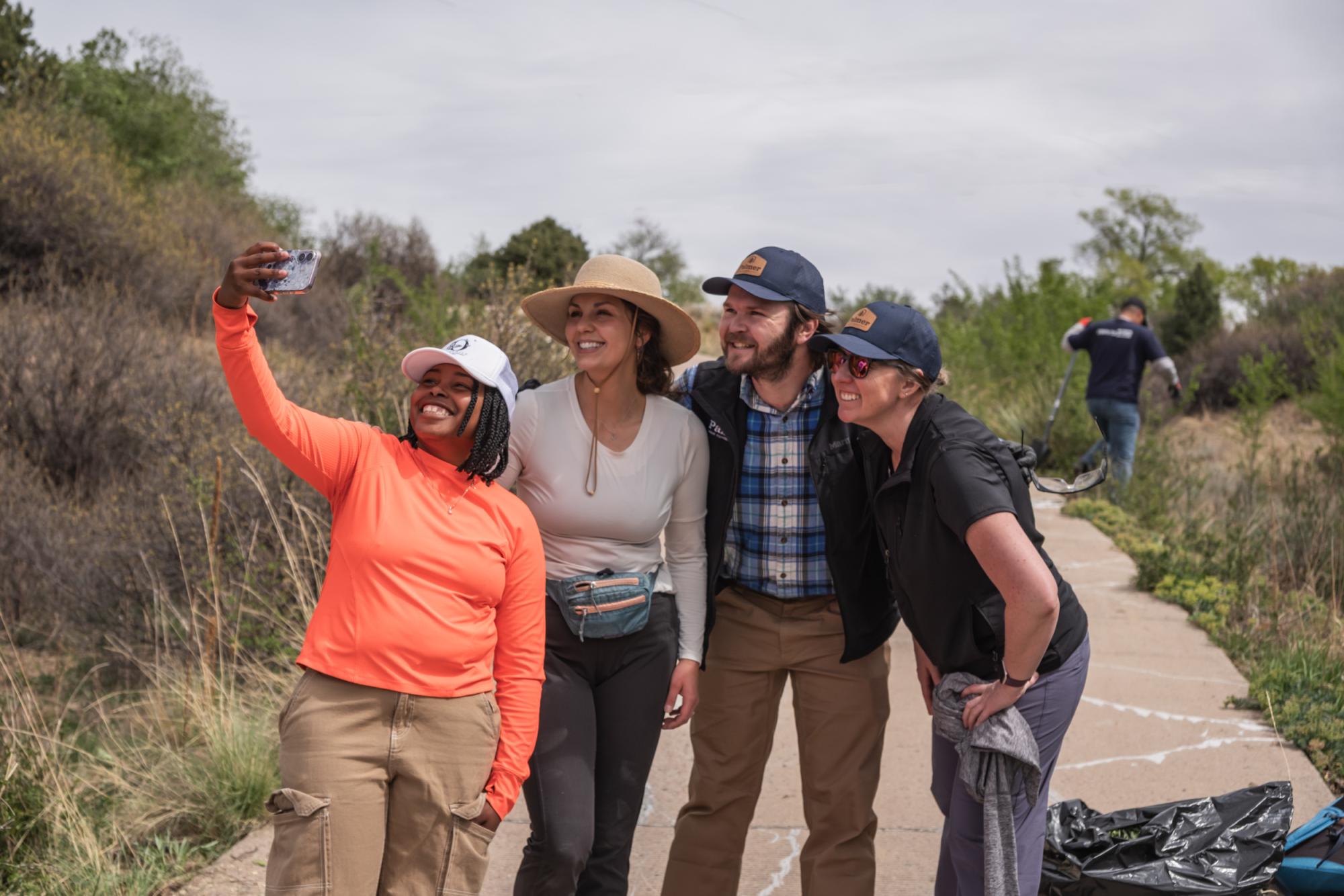
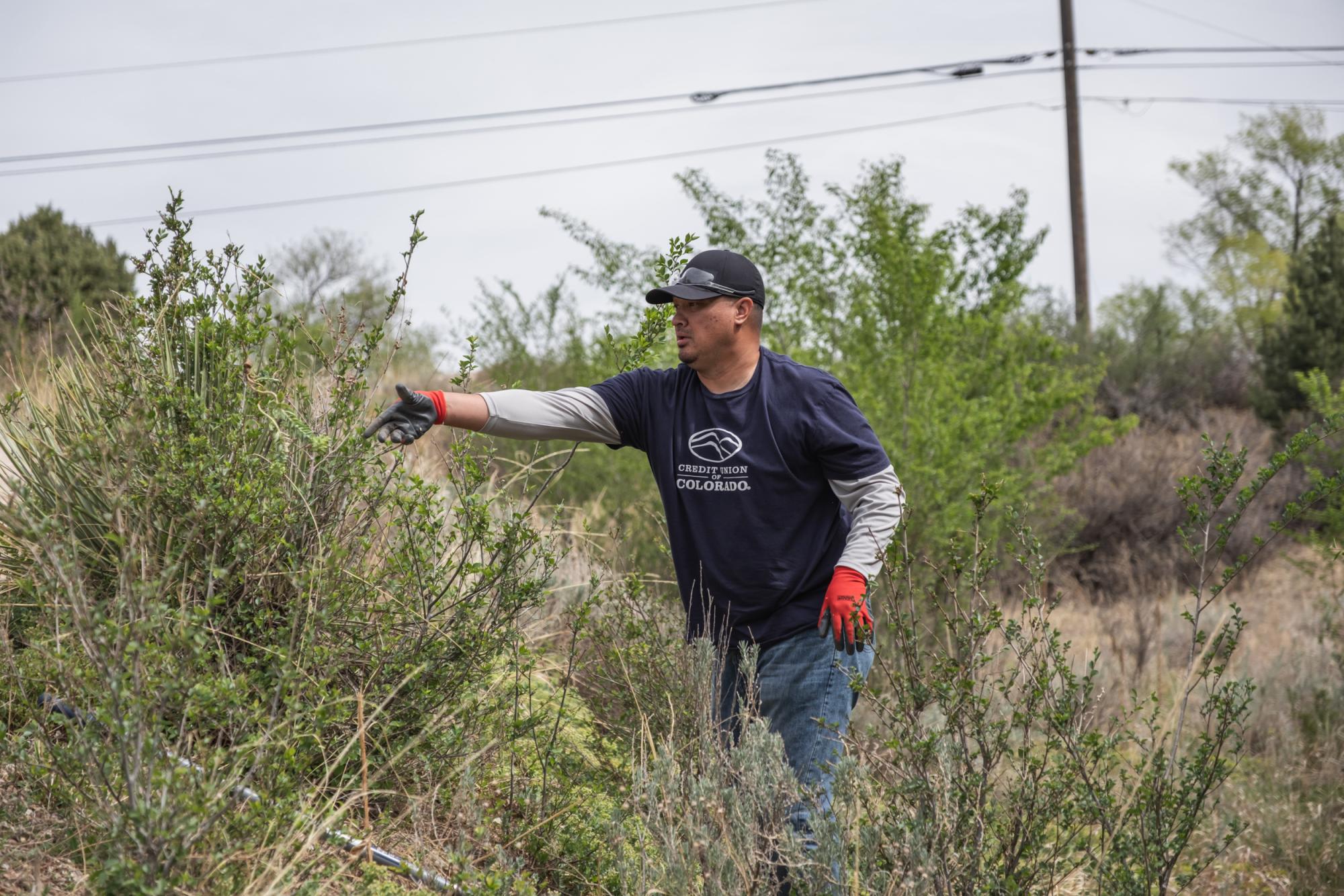
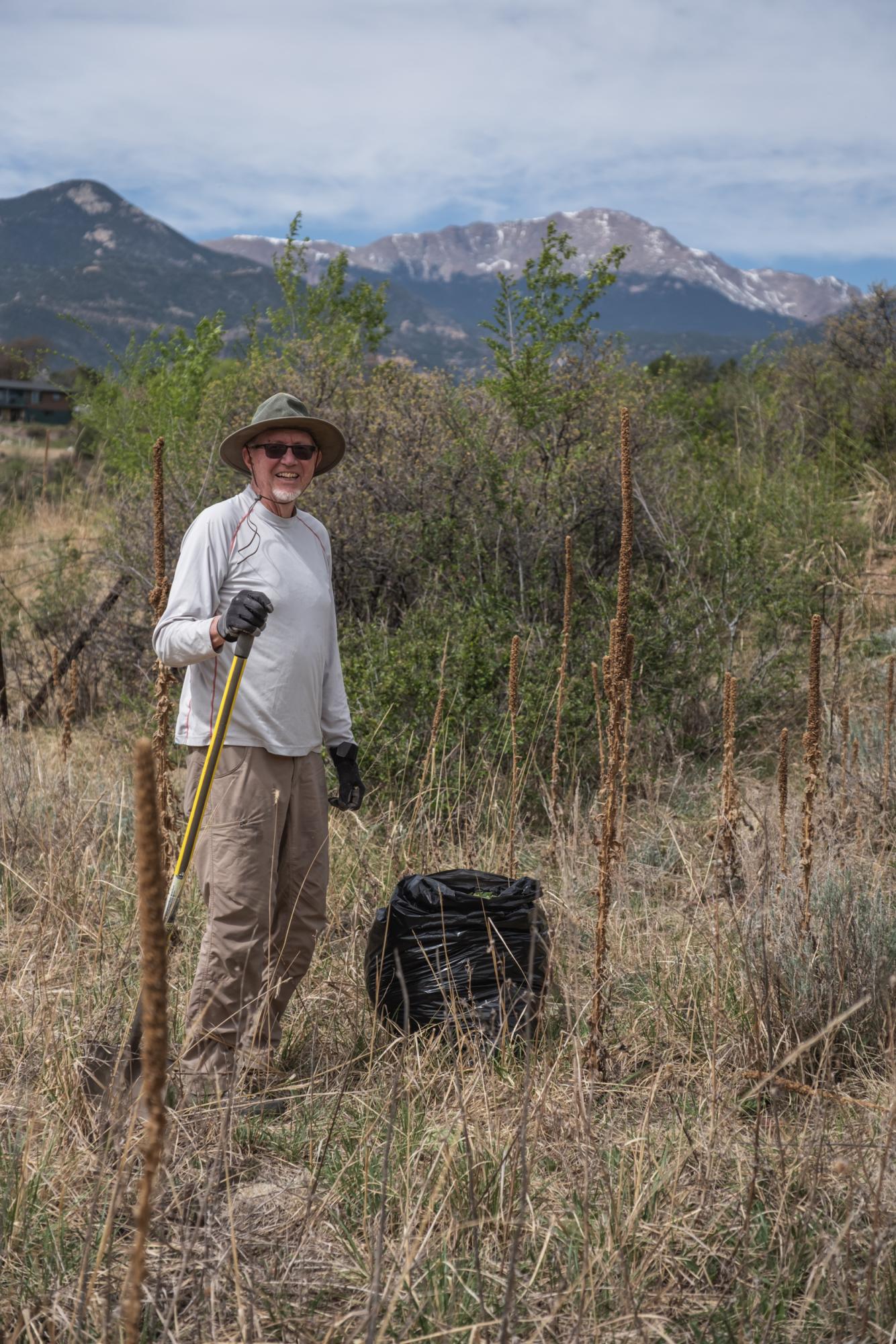
On Earth Day, 24 people showed up ready to get their hands in the dirt. This diverse crew included locals who live just blocks from the preserve, employees from Credit Union of Colorado demonstrating their commitment to community engagement, and even a visitor from out of state who wanted to give back to Colorado's landscapes.
The work demanded persistence, attention to detail, and physical effort. Volunteers learned to identify Myrtle Spurge among other vegetation, to extract the entire taproot when possible (or at least four inches of it), and to handle the plants carefully to avoid contact with the caustic sap. Through the morning, they filled bag after bag, their collective effort transforming the landscape one plant at a time.
Sometimes conservation is about the patient, repetitive work of restoration—the unglamorous tasks that rarely make headlines but make all the difference on the ground. This "dirty work" is what makes "forever protected" a reality. Without ongoing stewardship, even legally protected lands can degrade, losing the very qualities that made them worth protecting in the first place.
Volunteers who participate in this hands-on work become invested stewards who understand conservation intimately. They've felt the resistance of Myrtle Spurge roots in rocky soil. They've seen the difference between a landscape choked with invasives and one where native plants have room to breathe. This experiential knowledge transforms abstract environmental concepts into tangible reality, creating conservation champions who will advocate for these places long after the workday ends.
Palmer Land Conservancy's role extends far beyond the initial protection of properties like Mesa Valley. The organization provides long-term monitoring and management, organizing community workdays that make this kind of impact possible. Following the volunteer effort, Palmer is coordinating with the state's Early Detection Rapid Response Team for additional treatments, ensuring that the work begun on Earth Day continues until Myrtle Spurge is truly eradicated from the preserve.
Taking Agency in Protecting Hidden Gems
Those 58 bags of Myrtle Spurge represent a victory for native ecosystems and the community that cherishes this urban sanctuary. Every pulled plant is an act of restoration, a small but meaningful assertion that we have agency in shaping the future of the landscapes we love. This work embodies Palmer's commitment to community-driven conservation, recognizing that protecting Colorado's special places requires not just legal agreements but ongoing care from people who show up, roll up their sleeves, and do the work.
Mesa Valley Wildlife Preserve—Palmer's very first conserved property, protected since 1980—will continue to serve as a haven for wildlife and people alike because volunteers chose to act. Their efforts ensure that future generations will discover this hidden gem, experiencing the same wonder and connection to nature that draws us to these places today.
Want to be part of protecting the Colorado we love? Join us at an upcoming event to learn more, get your hands in the soil, and connect with others who value conservation. Sign up today and discover how you can make a lasting difference in your community.
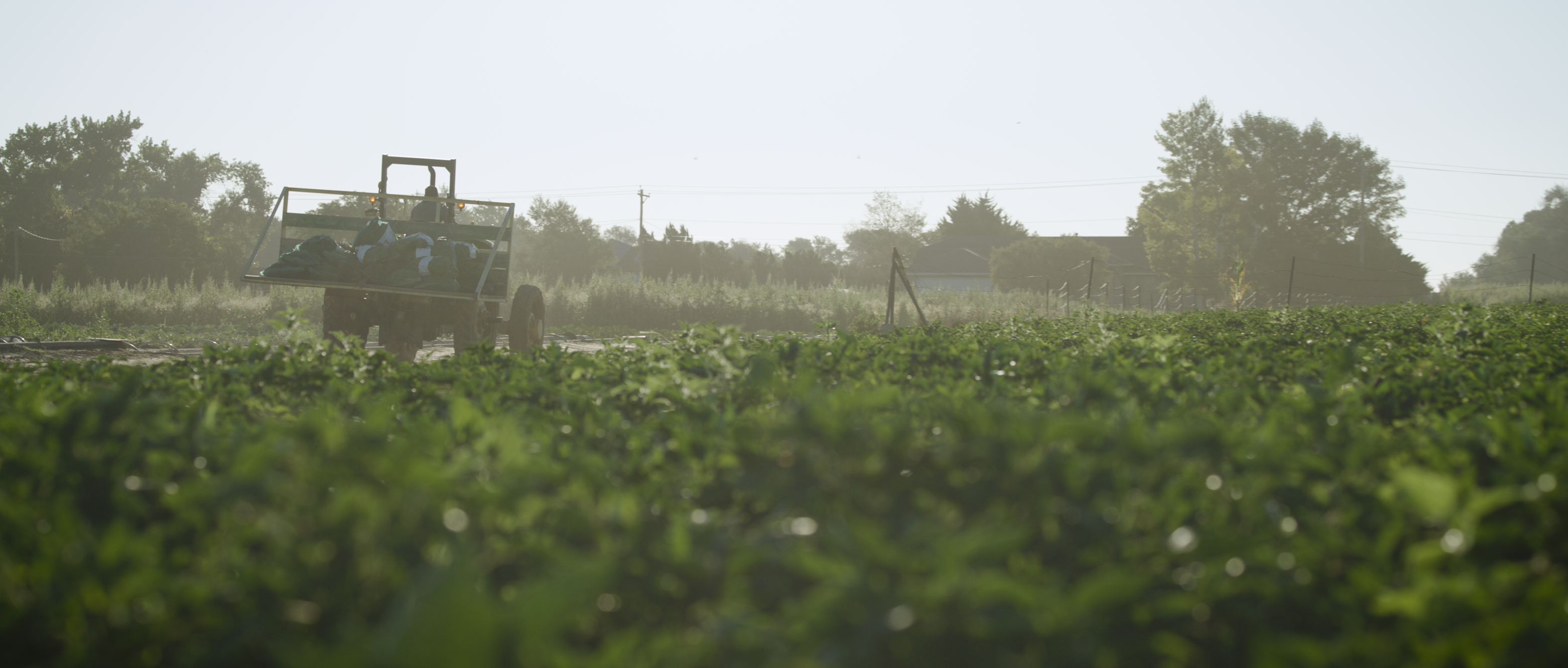

A FILM ABOUT WATER, LAND, AND A WAY OF LIFE
We are delighted to announce the full film is now available to watch for FREE online!