20 Parks and Open Spaces You Didn't Know Were Forever Protected in the Pikes Peak Region
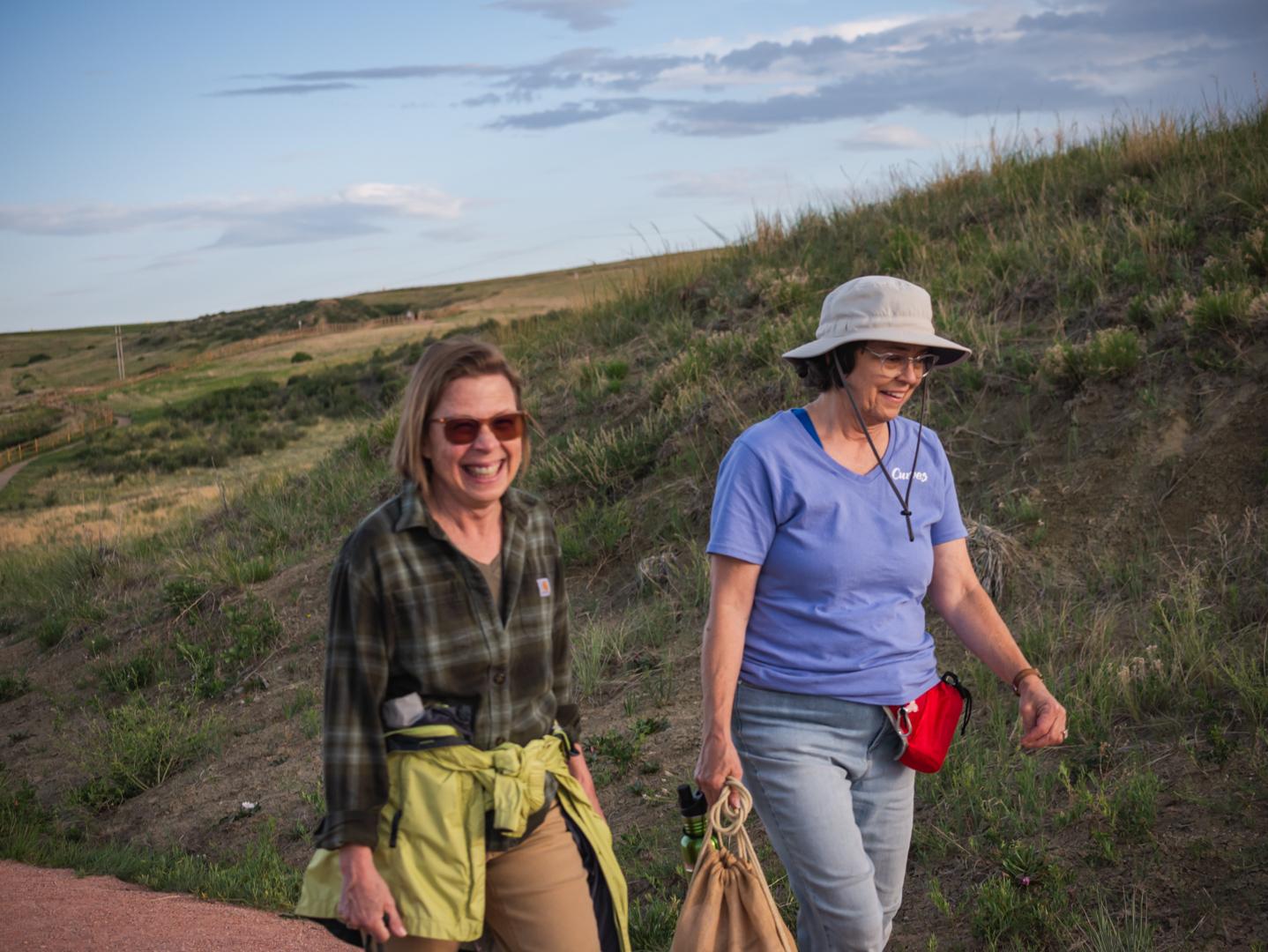
Back to blog feedIf you live in the Pikes Peak region, chances are you already have a favorite trail.
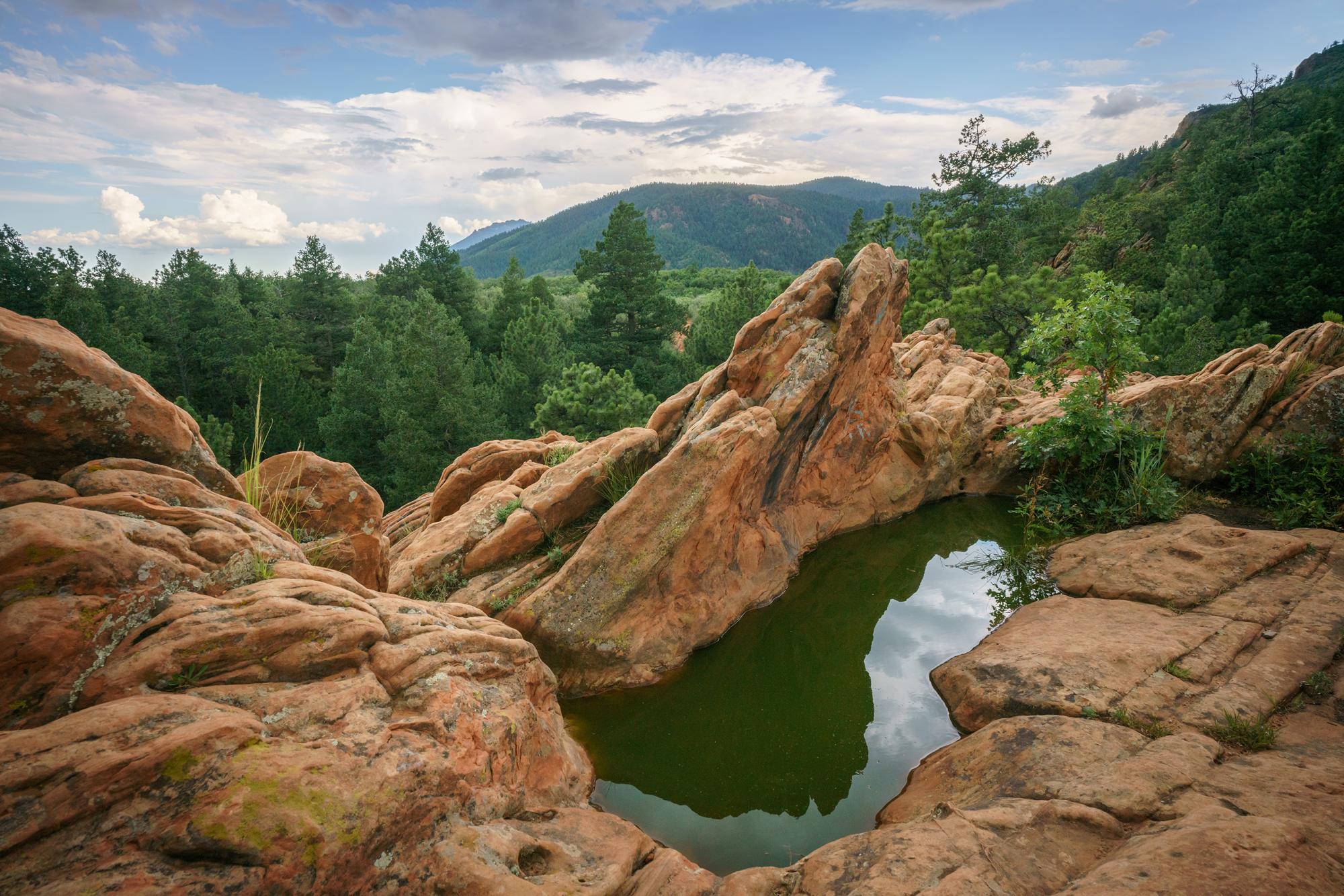
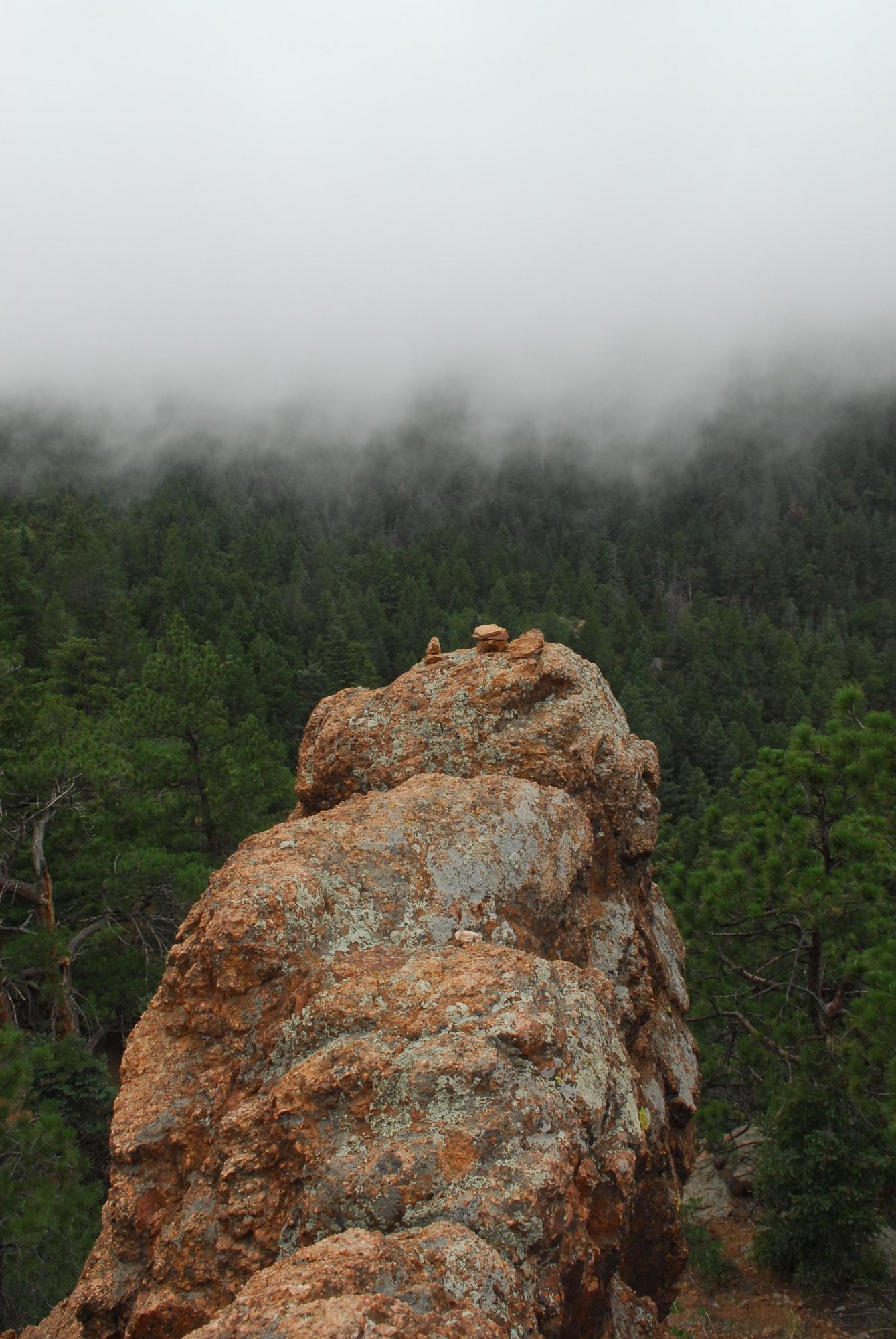
Maybe it's the sandstone canyons at Red Rock Canyon Open Space. The quiet climb through Section 16. A sunrise walk at Ute Valley. Or the wide-open prairie at Bluestem Prairie.
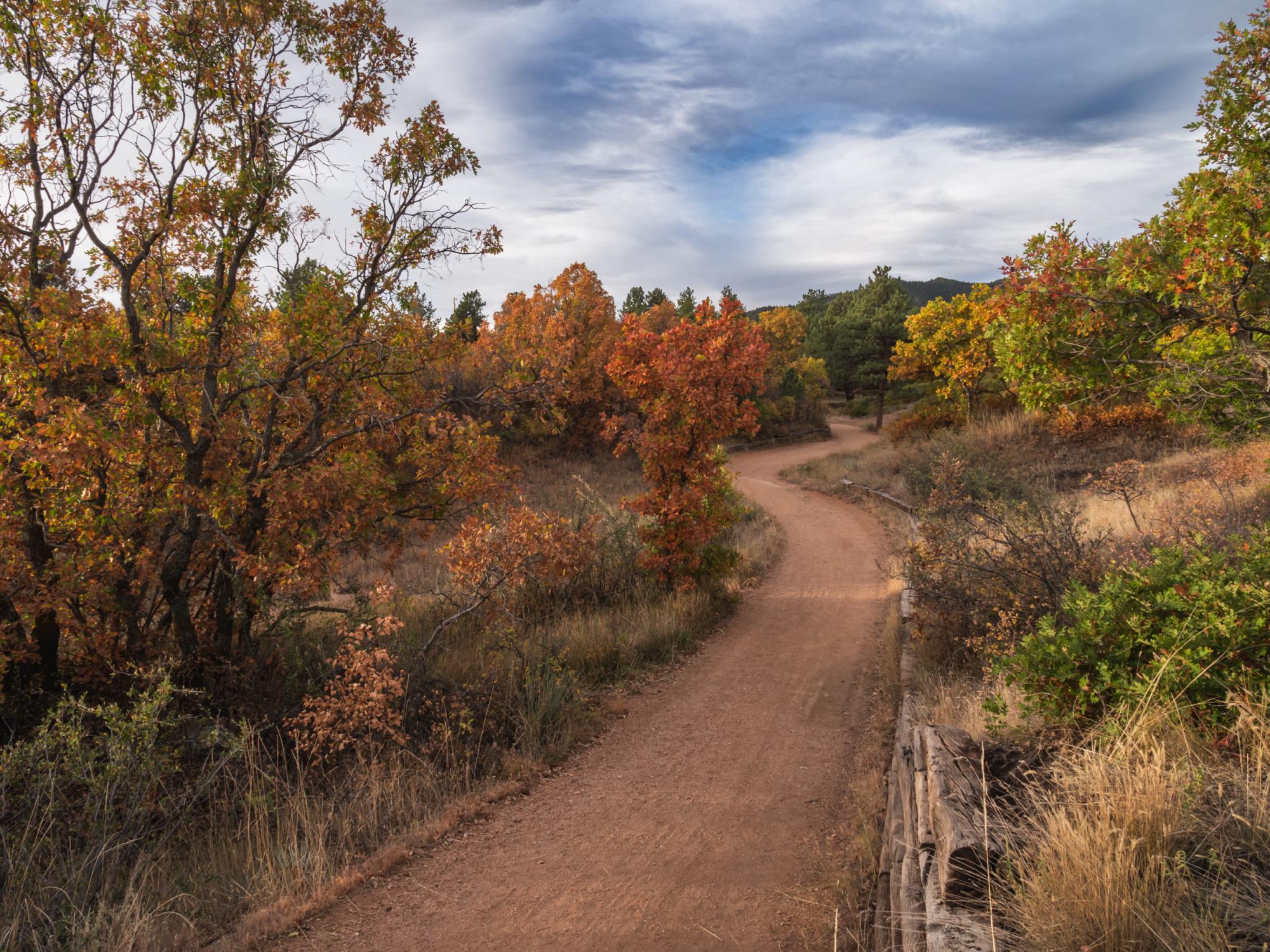
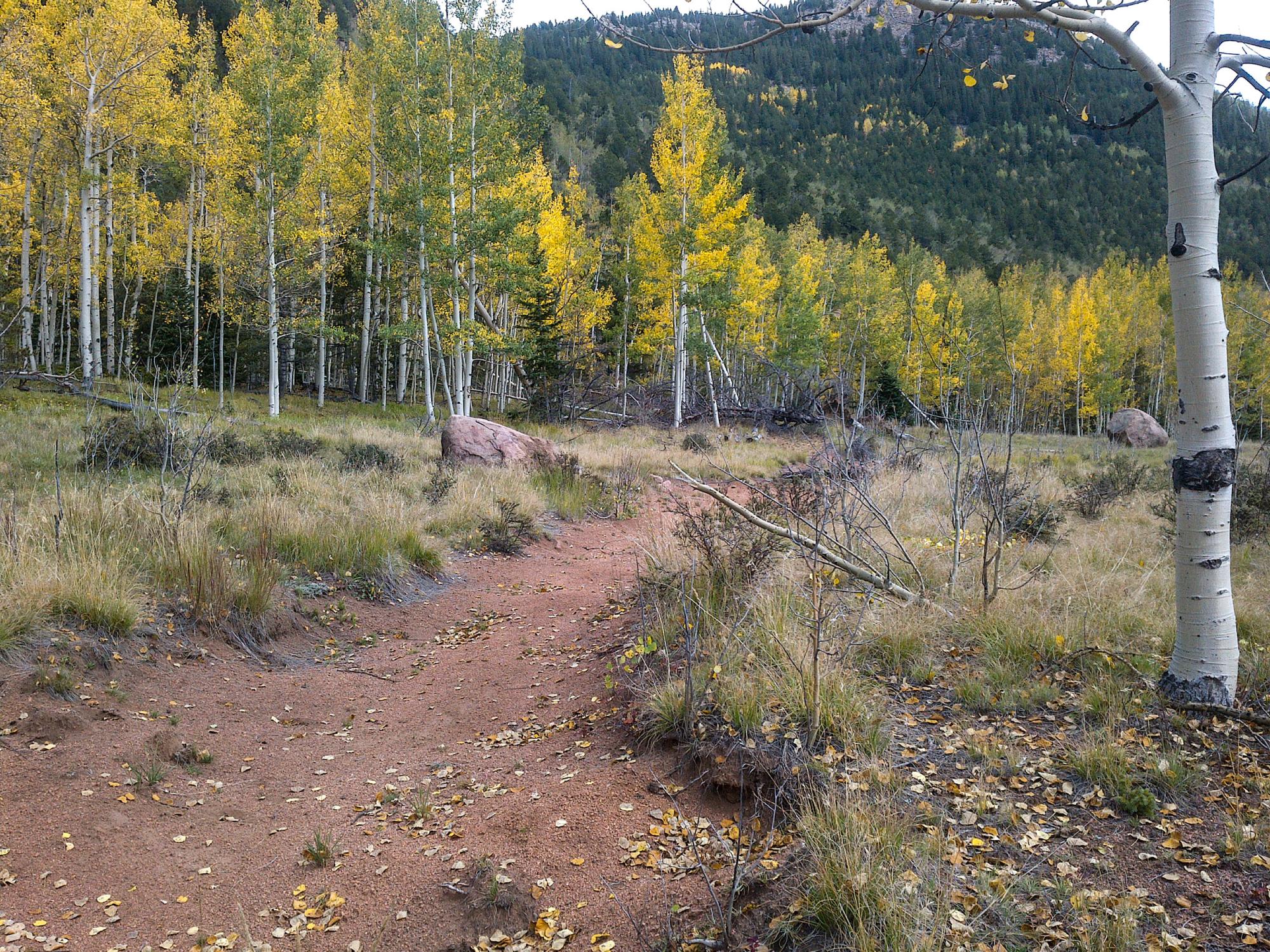
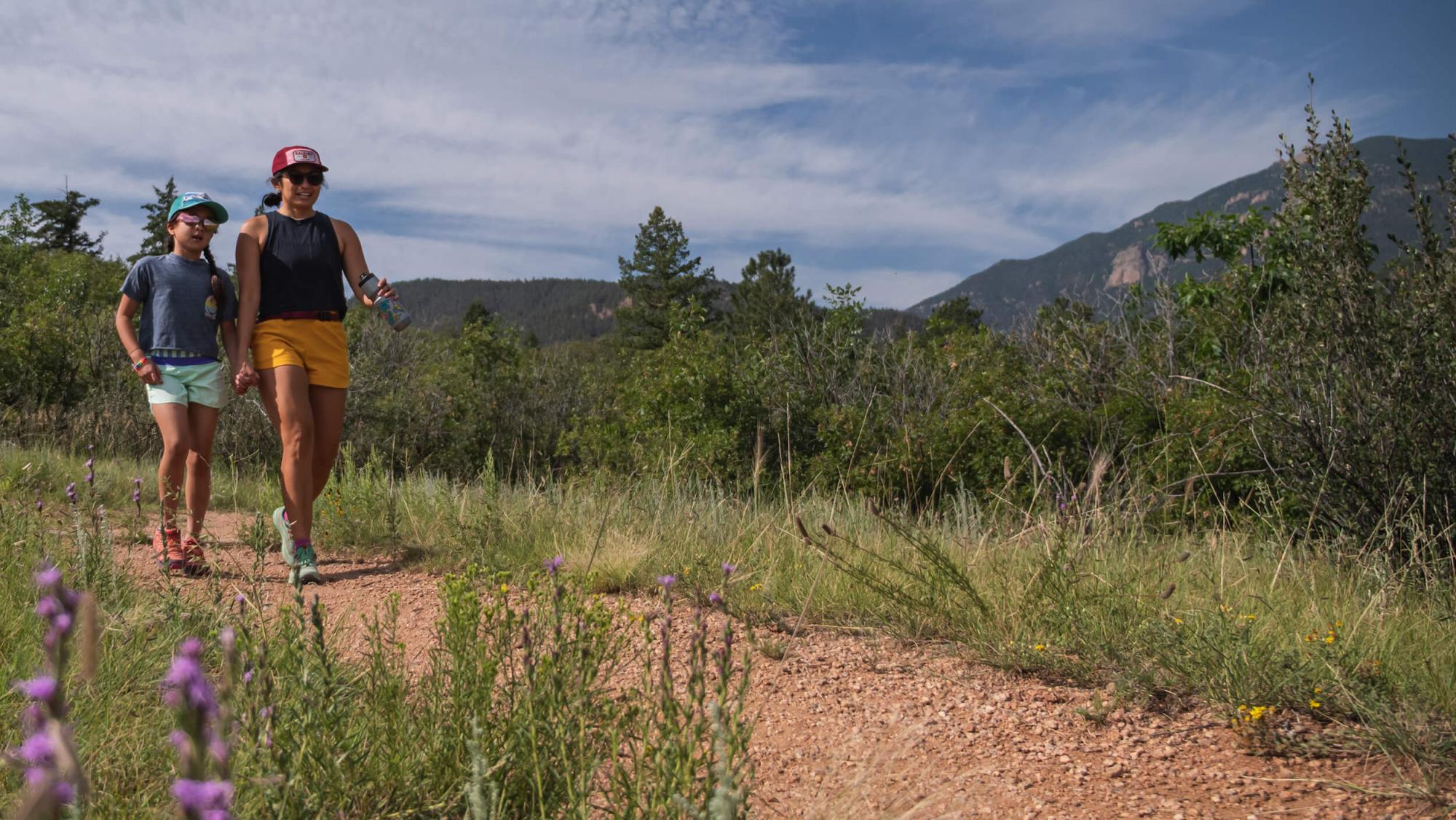
Across the Pikes Peak region, the places people hike, run, and explore today didn't stay open by chance. Many were once at risk of development or fragmentation or were closed to public access. Through conservation efforts, 20 parks and open spaces are now protected forever—for recreation, wildlife, and future generations.
These landscapes shape the Colorado Good Life—trails close to home, uninterrupted views, and the ability to step outside and connect with nature. Without conservation, many of these places could look very different today.
And most people don't realize these parks and open spaces share something in common: they're protected through the work of Palmer Land Conservancy in collaboration with the land managers.
The Hidden Story Behind the Trails You Already Love
Open space isn't guaranteed. As Colorado continues to grow, land can quickly become developed or public access can be cut off.
Many of the parks and open spaces throughout the region were protected at pivotal moments. In some cases, land slated for development became public trail systems. Historic ranches were conserved to maintain wildlife corridors and protect water resources. Prairie landscapes were preserved before they could be permanently altered. These decisions required collaboration, long-term vision, and community-driven conservation to ensure land remains available for people, nature, and local economies.
The 20 parks and open spaces featured in Palmer's Field Guide span grasslands, foothills, forests, and urban green spaces across the Pikes Peak region. Each one represents a conservation effort that helps protect recreation access, habitat, and the character of southern Colorado.
Northern Region: Open Space Hidden in Plain Sight
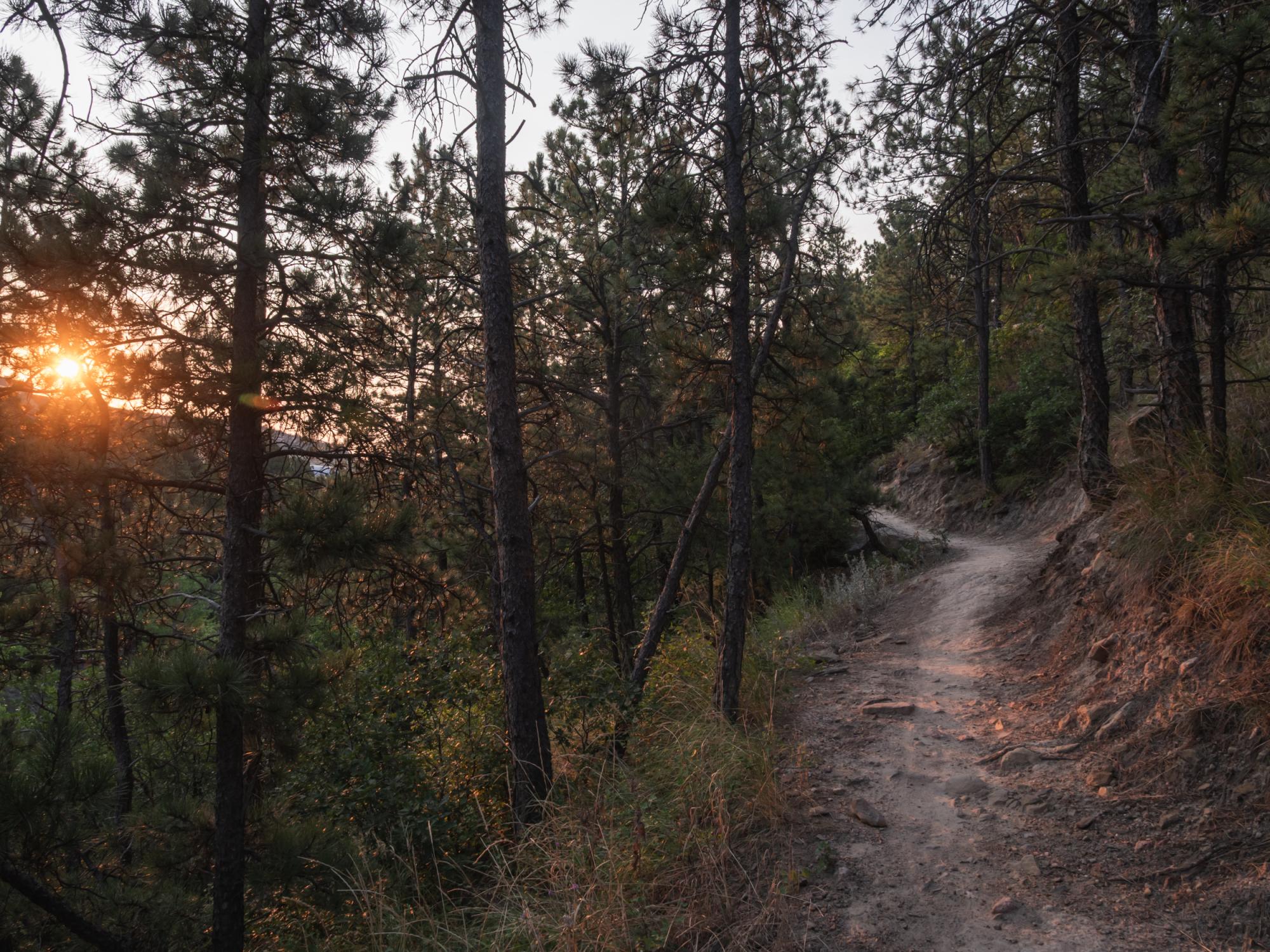
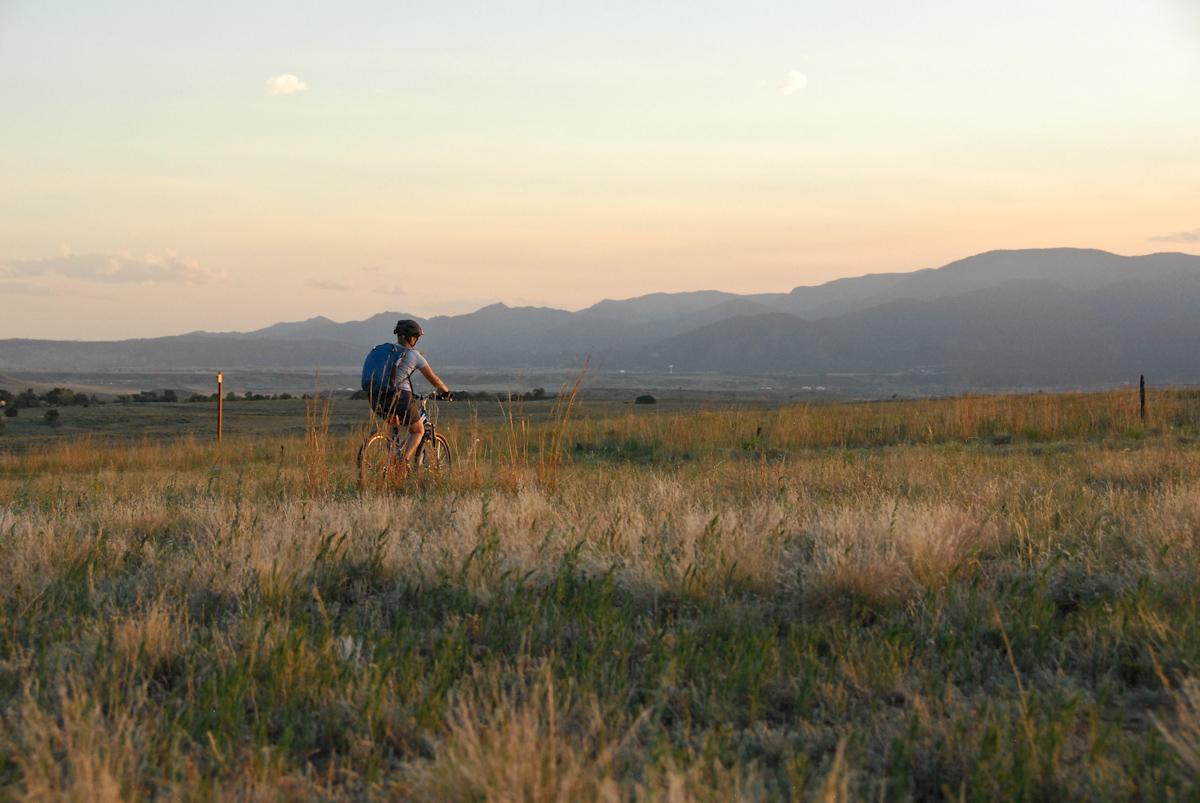
Some of the most surprising protected spaces are woven into the urban landscape—close to neighborhoods, schools, and city views. These are the kinds of places people return to regularly for a quick lunch-break walk, a weekly trail run, an after-work bike ride, or a quiet morning outdoors without having to leave town. Conservation ensures these nearby landscapes remain open and accessible while protecting the region's natural character.
These include:
- Santa Fe Open Space
- Pineries Open Space
- Paint Mines Interpretive Park
- Tudor Trail & Greenway Open Space
- University Park Open Space
- Ute Valley Park
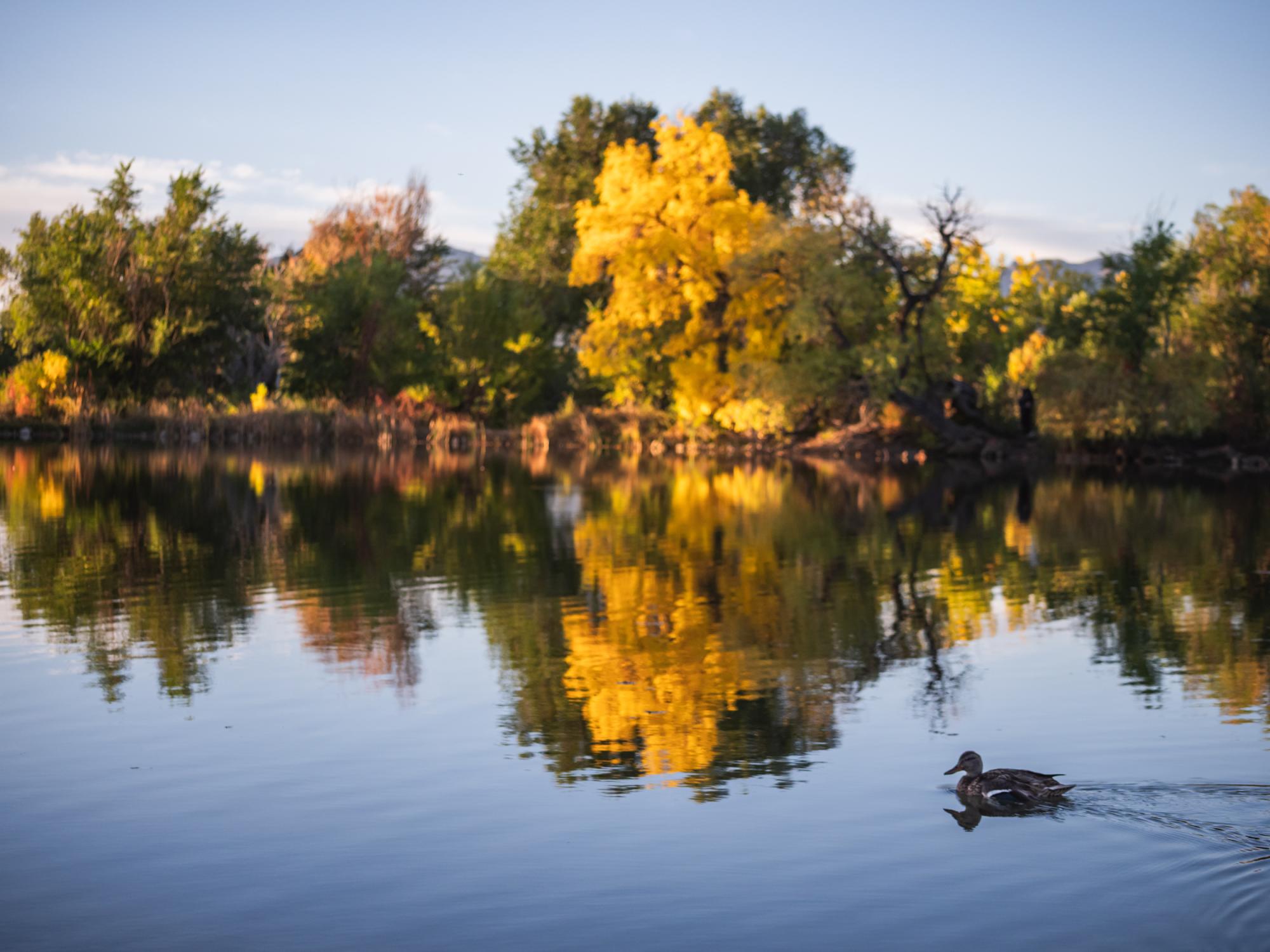
- Sinton Pond Open Space
- Mesa Valley Wildlife Preserve
- Rawles Open Space
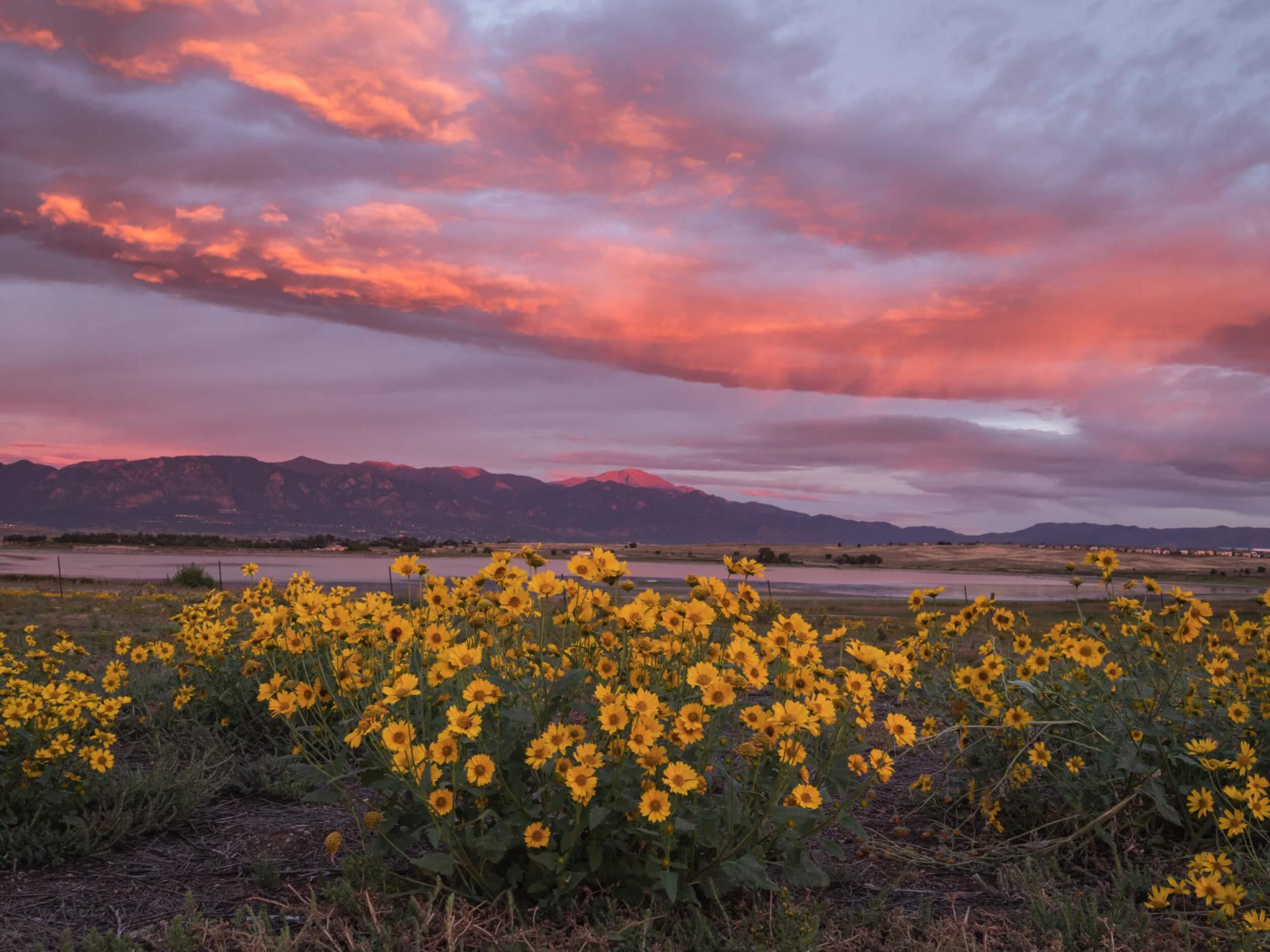
Each of these spaces protects something unique, from rare geological formations and critical wildlife habitat to urban trail connections and accessible places to experience nature close to home. Paint Mines Interpretive Park contains uncommon badlands formations shaped over millions of years, while the conserved portion of Ute Valley protects more than 200 acres of trails and habitat in the heart of Colorado Springs. Smaller spaces like Sinton Pond and Rawles Open Space play an equally important role, providing vital green pockets within growing urban areas and helping maintain connections between larger conserved landscapes.
Southern Region: Iconic Landscapes Protected for the Future
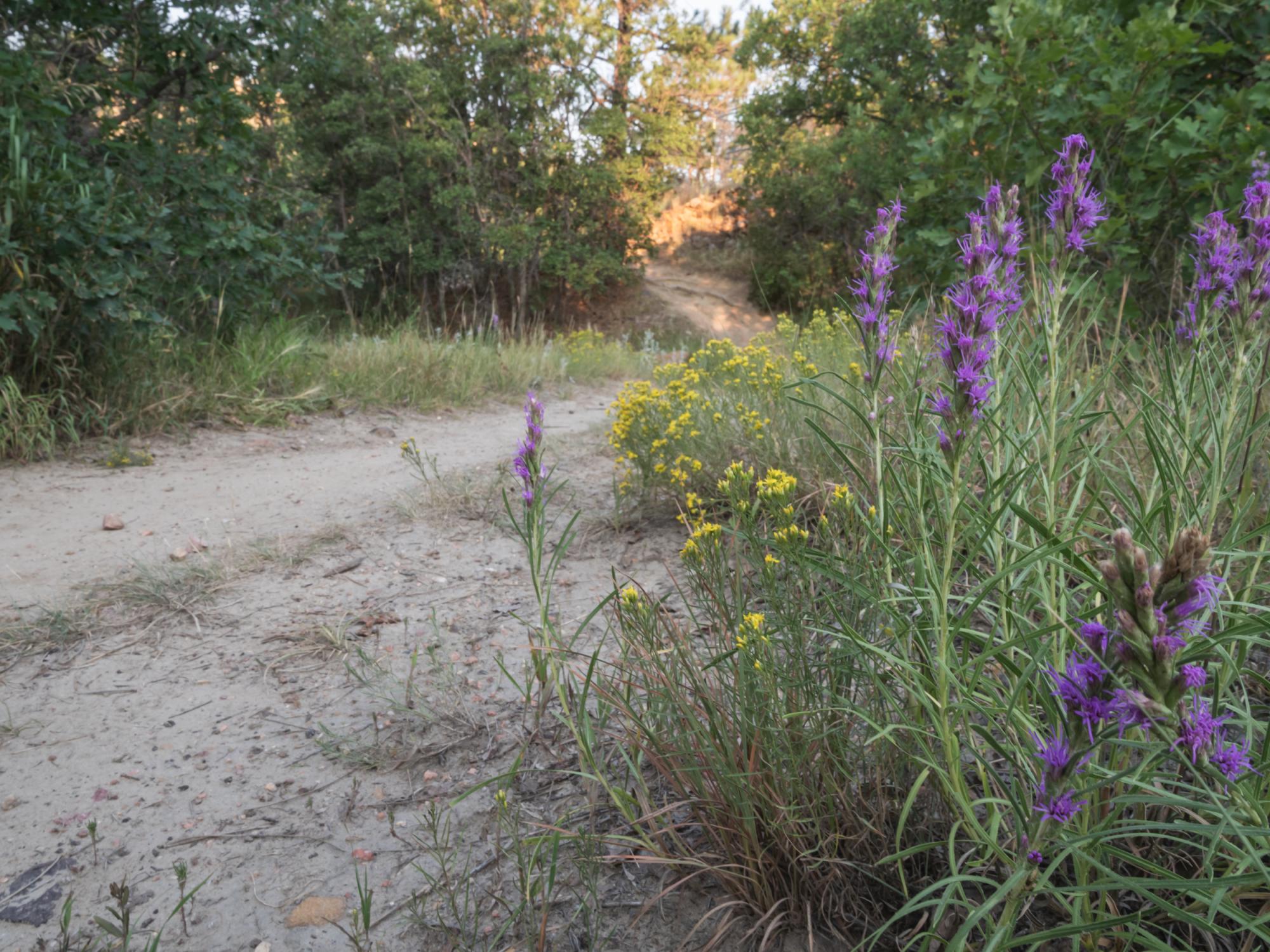
The southern portion of the Pikes Peak region includes some of the area's most recognizable recreation destinations. These landscapes range from quick-access neighborhood trails to more remote backcountry experiences, offering space for hiking, running, biking, wildlife viewing, and time outdoors.
These include:
- Black Canyon Road Open Space
- Catamount Ranch Open Space
- Red Mountain Open Space
- Iron Mountain Open Space
- Red Rock Canyon Open Space
- Section 16 Open Space
- Bear Creek Regional Park
- Stratton Open Space
- Strawberry Hill Open Space
- Jones Park Open Space
- Bluestem Prairie Open Space
Together, these lands form a connected network of recreation opportunities, wildlife habitat, and watershed protection spanning high-elevation forests, foothills, and shortgrass prairie. This connectivity supports ecological health while maintaining access to diverse outdoor experiences close to home.
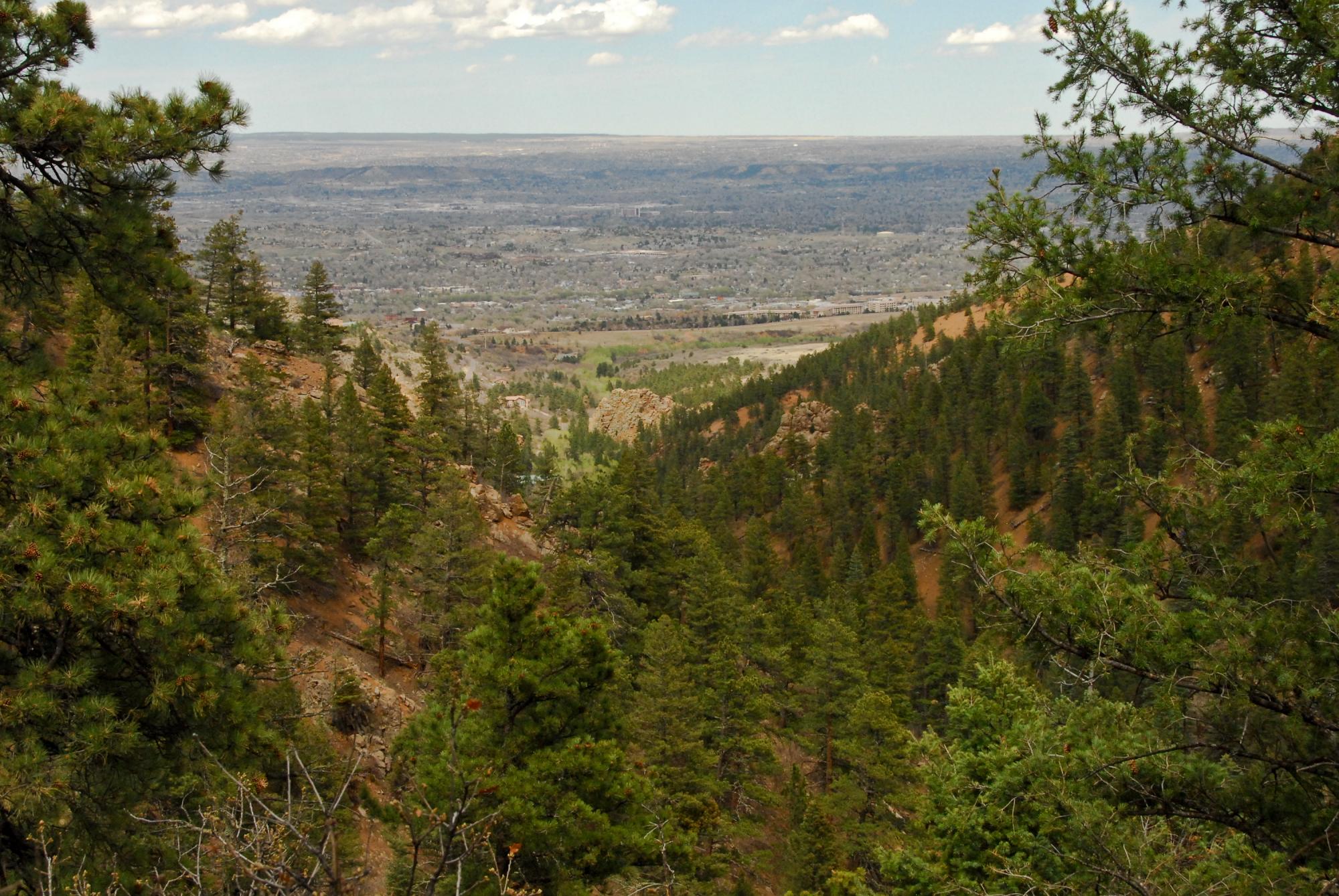
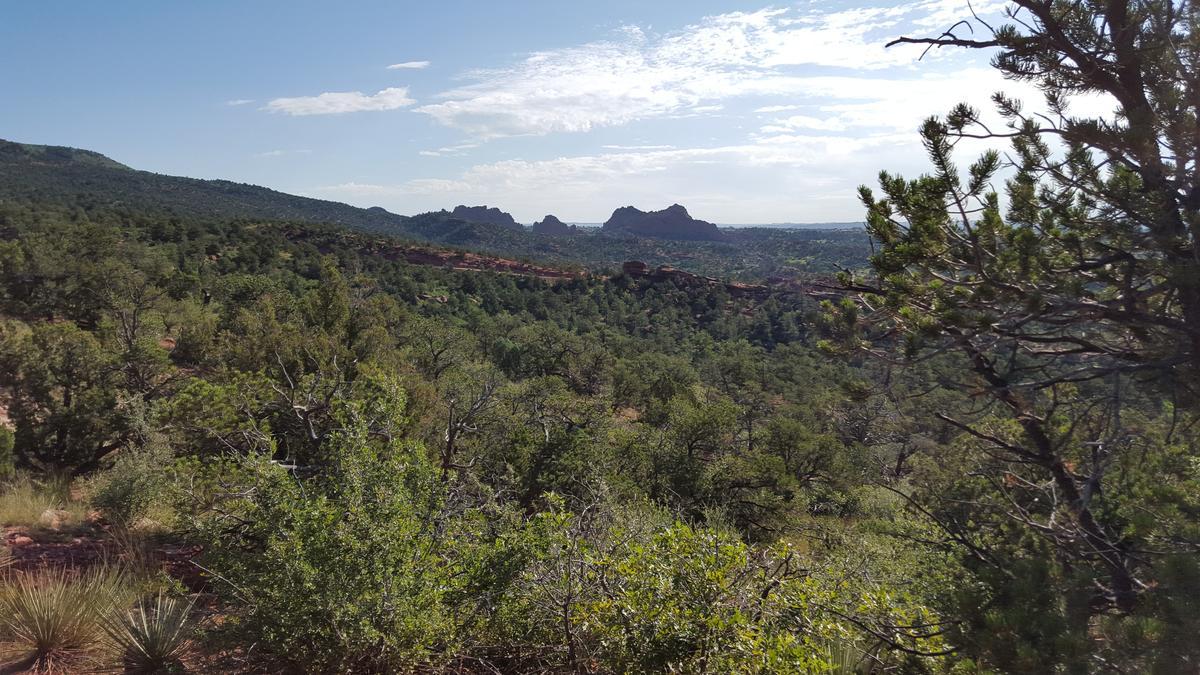
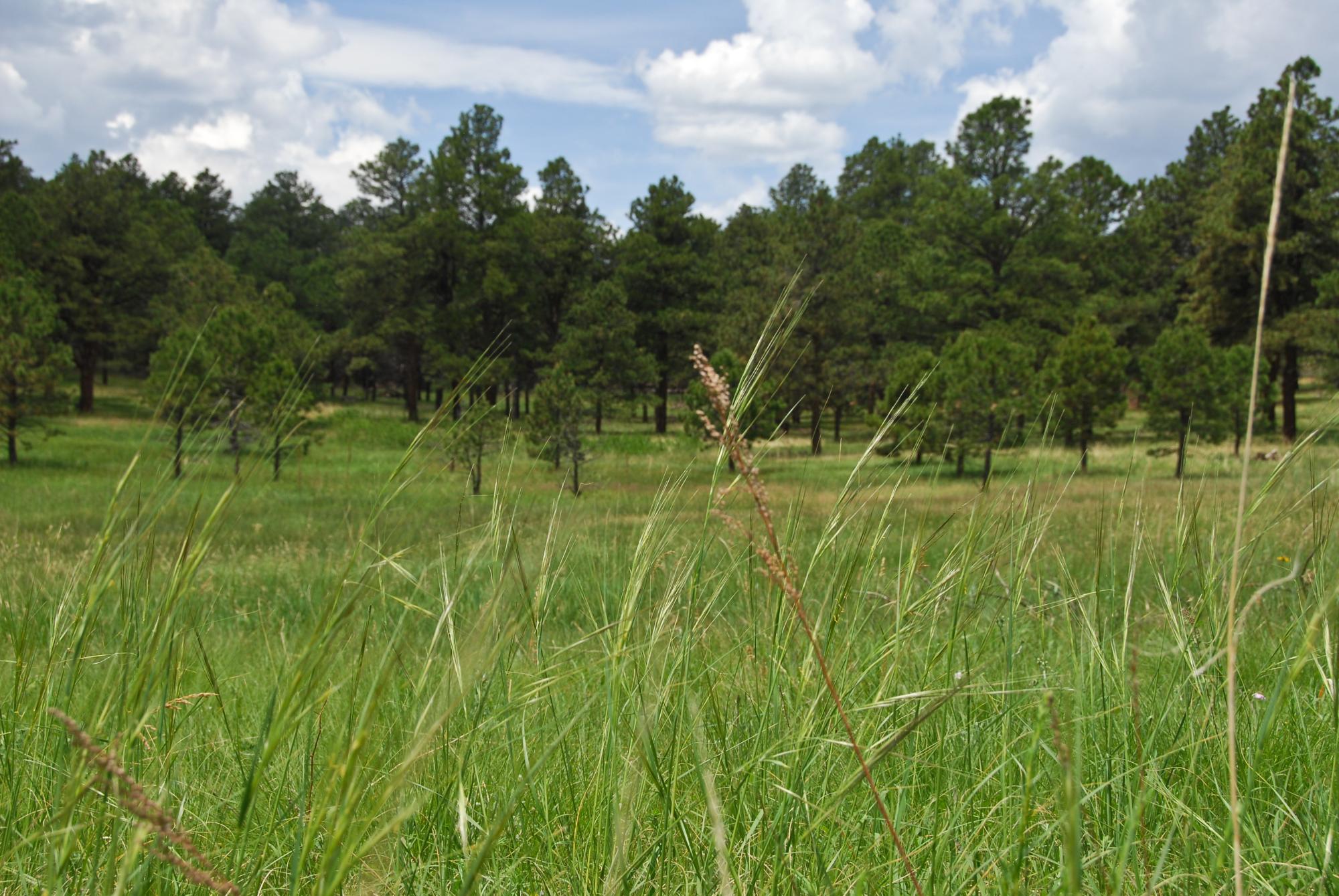
Red Rock Canyon Open Space now provides miles of trails where large-scale development was once proposed. Section 16 protects forested terrain and scenic views just minutes from downtown Colorado Springs, making it a popular destination for weekly hikes and trail runs. Jones Park preserves critical habitat while offering a more remote backcountry experience, and Bluestem Prairie maintains open grasslands on the city's edge where residents can walk, bike, and experience wide-open landscapes without leaving the region.
Each of these spaces reflects long-term collaboration between communities, landowners, and conservation partners. Together, they help ensure that as the region grows, access to meaningful outdoor experiences remains protected for the future.
Why Protected Open Space Matters
Conservation helps maintain wildlife corridors, safeguard water resources, preserve working landscapes, and ensure recreation remains accessible as communities grow. It also protects the scenic views and natural character that define southern Colorado and shape why people choose to live here in the first place.
Conservation also provides something increasingly rare—permanence. Once land is protected, it remains protected, ensuring that the benefits people experience today remain available for future generations.
Your Invitation to Explore All 20
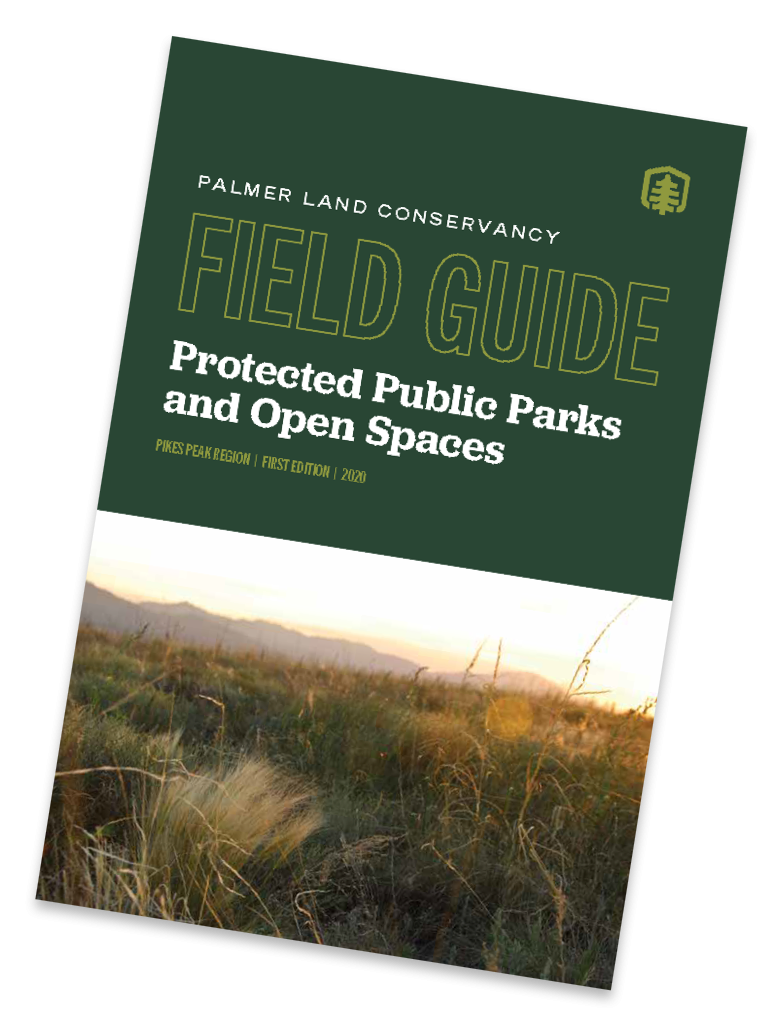
The Protected Public Parks & Open Spaces Field Guide was created to help people discover these landscapes, whether you're new to the area or have lived here for years.
Inside the guide, you'll find:
- All 20 Palmer-protected parks and open spaces
- Regional map across the Pikes Peak area
- Trail descriptions and highlights
- Wildlife and landscape features
- Recreation opportunities and difficulty levels
- History and conservation context
It's part trail inspiration, part local history, and a reminder of how these places came to be. More importantly, it highlights how conservation shapes the landscapes people rely on every day, from trails used for weekly runs to the open views seen on the drive home.
You may already hike these spaces, pass them on your commute, or be discovering them for the first time. Together, these 20 parks and open spaces help define what makes southern Colorado feel like home, ensuring that nearby access to nature, recreation, and open land remains part of the region's identity.
Download the free Field Guide and start exploring the protected landscapes of the Pikes Peak region.
Can’t wait to get outside?
Discover 20 other Palmer-protected parks and open spaces waiting for you to explore today.
We respect your privacy. Palmer Land Conservancy will never share or sell your information.

A FILM ABOUT WATER, LAND, AND A WAY OF LIFE
We are delighted to announce the full film is now available to watch for FREE online!