Binoculars and Wonder: A Bird Walk That Opened More Than Eyes
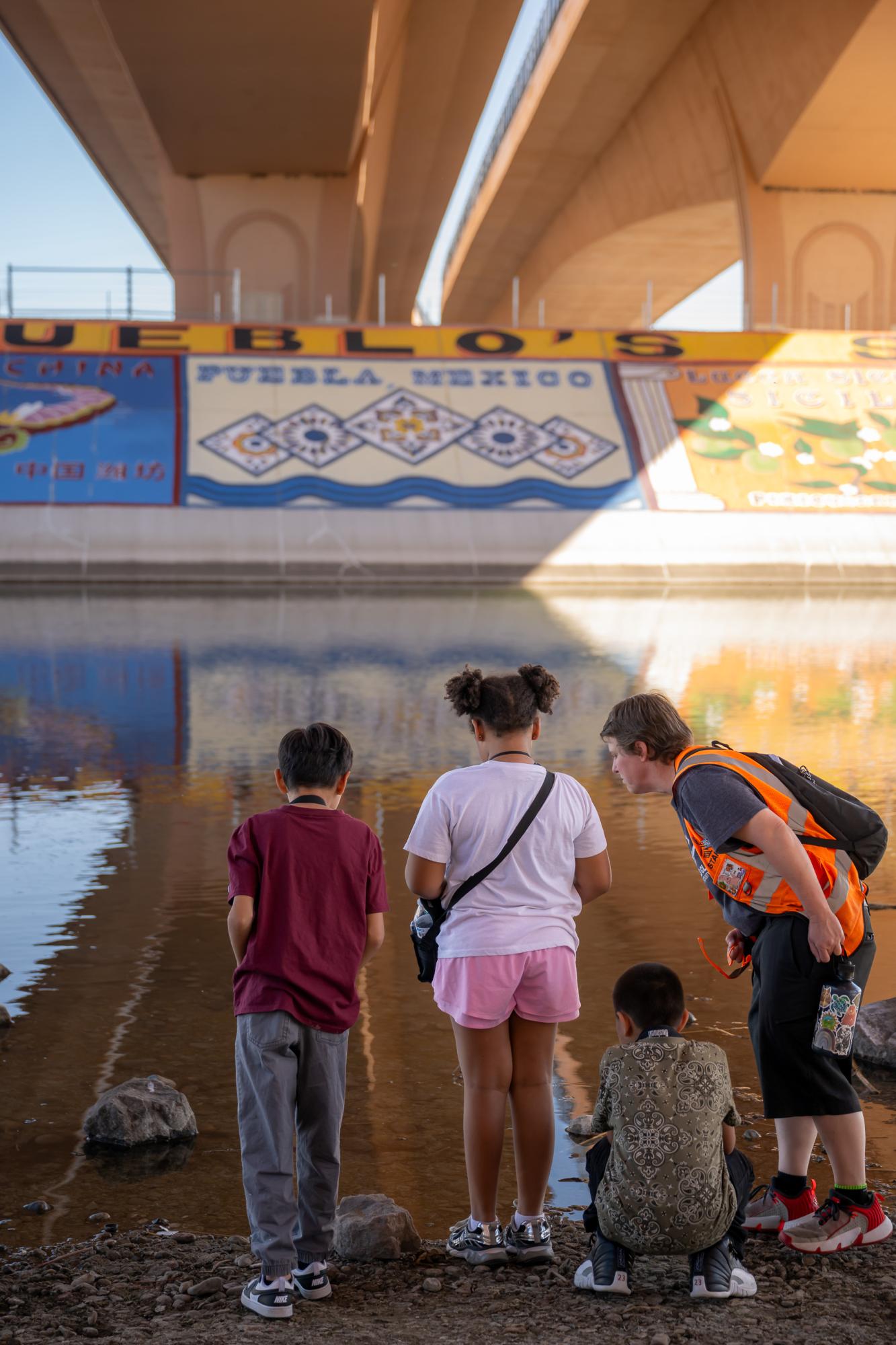
Back to blog feedOn an unusually hot March morning along the Arkansas River Trail in Pueblo, something remarkable unfolded. Under the Charles W. Lee Bridge, where mural-covered levee walls meet wild grasses, and the river babbles its ancient stories, a group of children discovered what it means to truly see nature—and in doing so, found a rare moment of stillness in their busy young lives.
The occasion was Palmer Land Conservancy's "Bird Walk and Water Talk"—a guided exploration led by Jolene Collins, Community Engagement Manager, alongside Marla Browne of the Arkansas Valley Audubon Society and Dr. Andrew Dreelin, Palmer's Land Stewardship Manager. What began as enthusiastic chaos gradually transformed into something quieter, more profound.
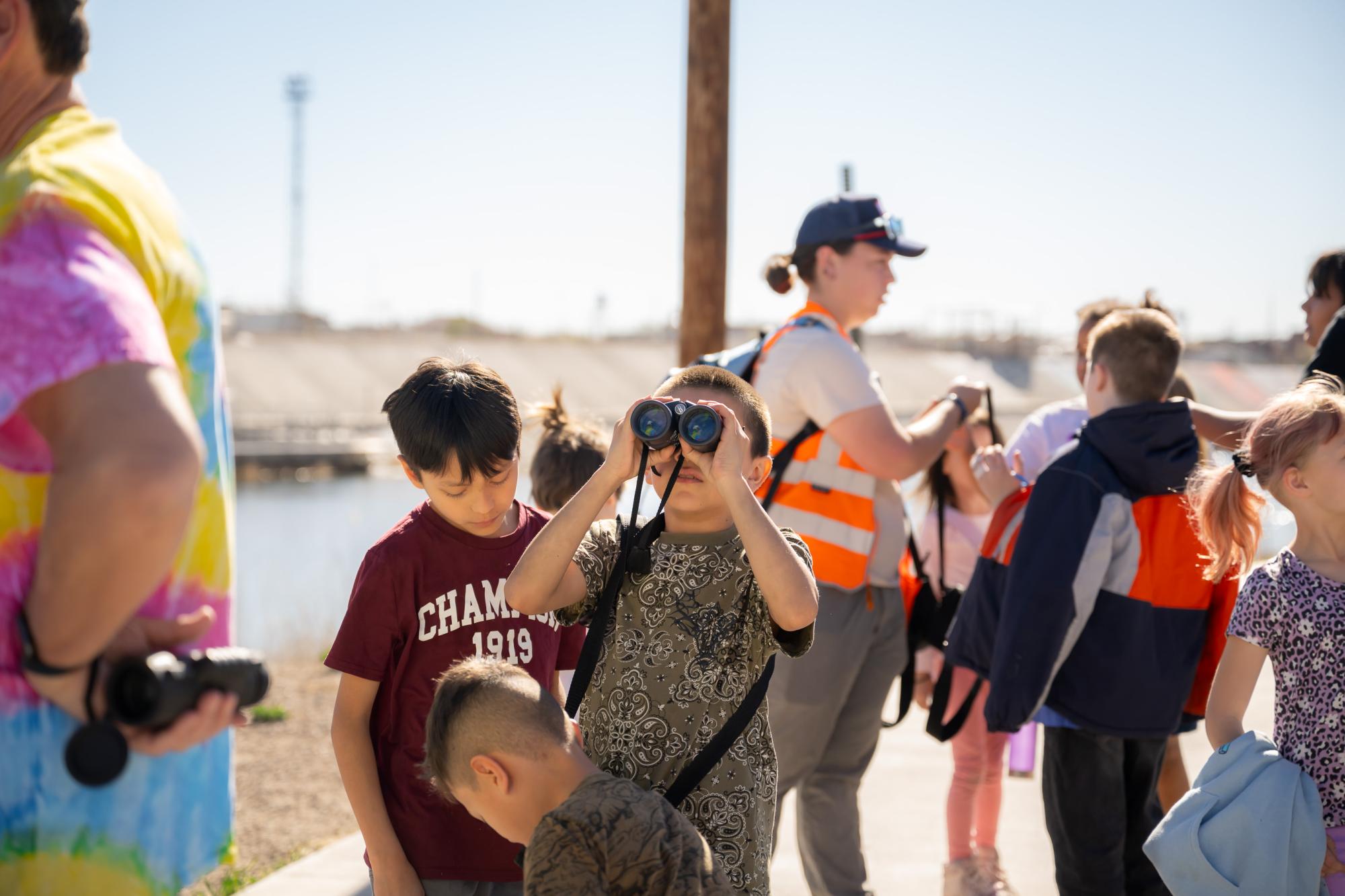
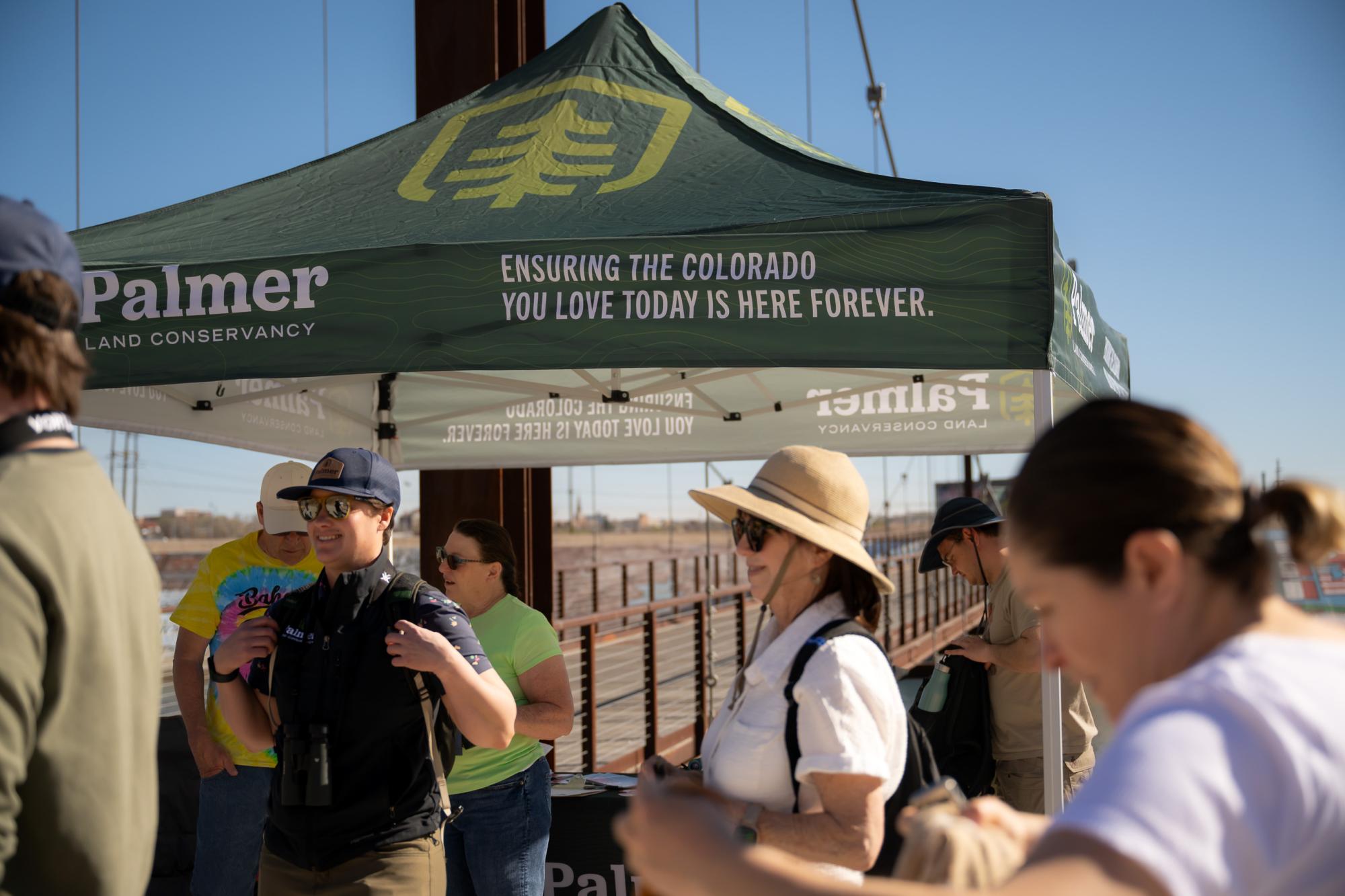
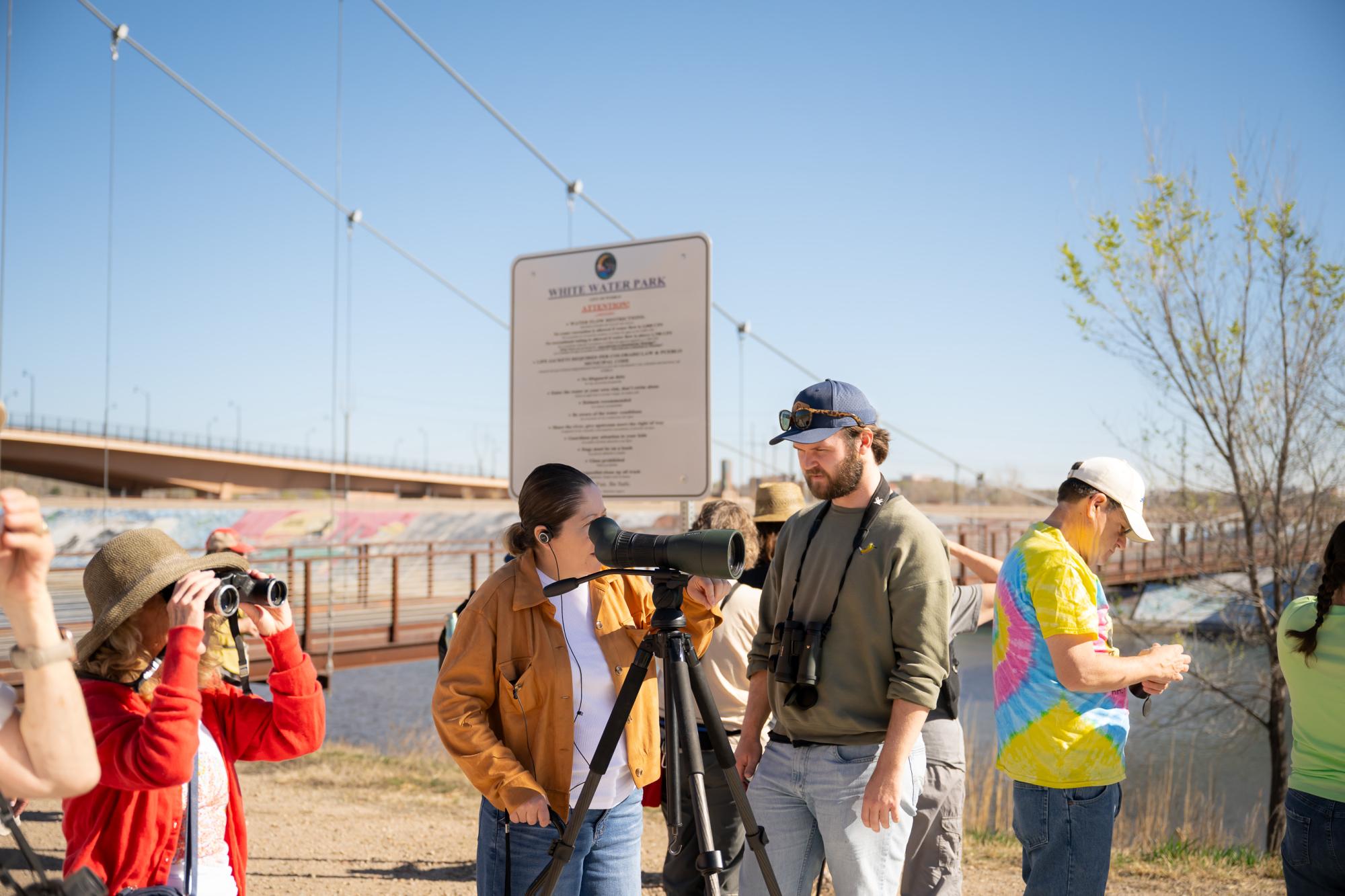
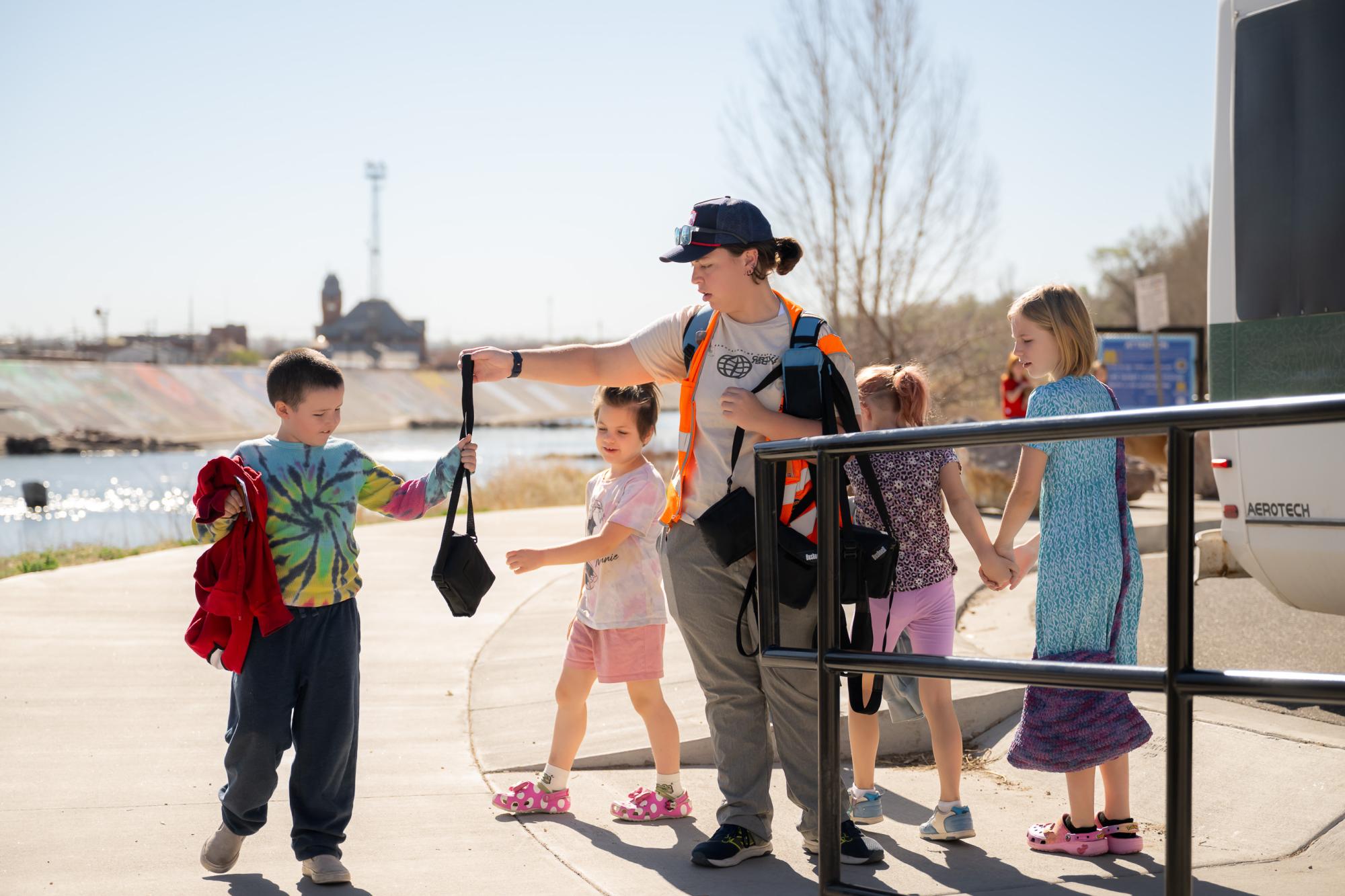
Photos curtesy of One in a Gillian Photography.
From Rambunctious to Reverent curtesy
When the Boys & Girls Club van first arrived, energy spilled out with the children—loud voices, fumbling hands, the beautiful disorder of youth. But as the group moved along the trail, something shifted.
"The kids gradually went from being rambunctious to slower, more curious," Jolene observed. "They switched into observation mode and directed their energy into sensory experiences around them."
In a world of screens and constant stimulation, the river offered a different invitation. Colorful murals on the levees across the river were a reminder people don’t have to travel far to find a respite from the speed of daily life. And as the children began to look up—at ospreys soaring on thermals, at ducks diving for crayfish—they also began to look down and around.
"They start noticing everything—a spider on the path, a fish in the river. It's like their eyes and senses just open up," recounted Jolene.
A Classroom Without Walls
Despite the warm day—not ideal conditions for birding—the group observed 21 bird species and 70 individual birds. Highlight species included American Wigeon, Belted Kingfisher, Gadwall, Mallard, Bufflehead, and Hooded Merganser, along with four Ospreys and three Red-tailed Hawks.
"The Hooded Mergansers were actively feeding on crayfish in the rapids, tossing their prey into the air before chowing down," Andrew explained. "Despite low numbers due to the hot, dry winter, we still saw an amazing diversity of duck species in the heart of Pueblo, illustrating how clean water and natural stream structures can support wildlife even in a heavily developed urban area."
The Ospreys, recently returned from migration, took advantage of the hot air to soar—some actively migrating north while others circled looking for prey, visible signs of spring's early arrival.
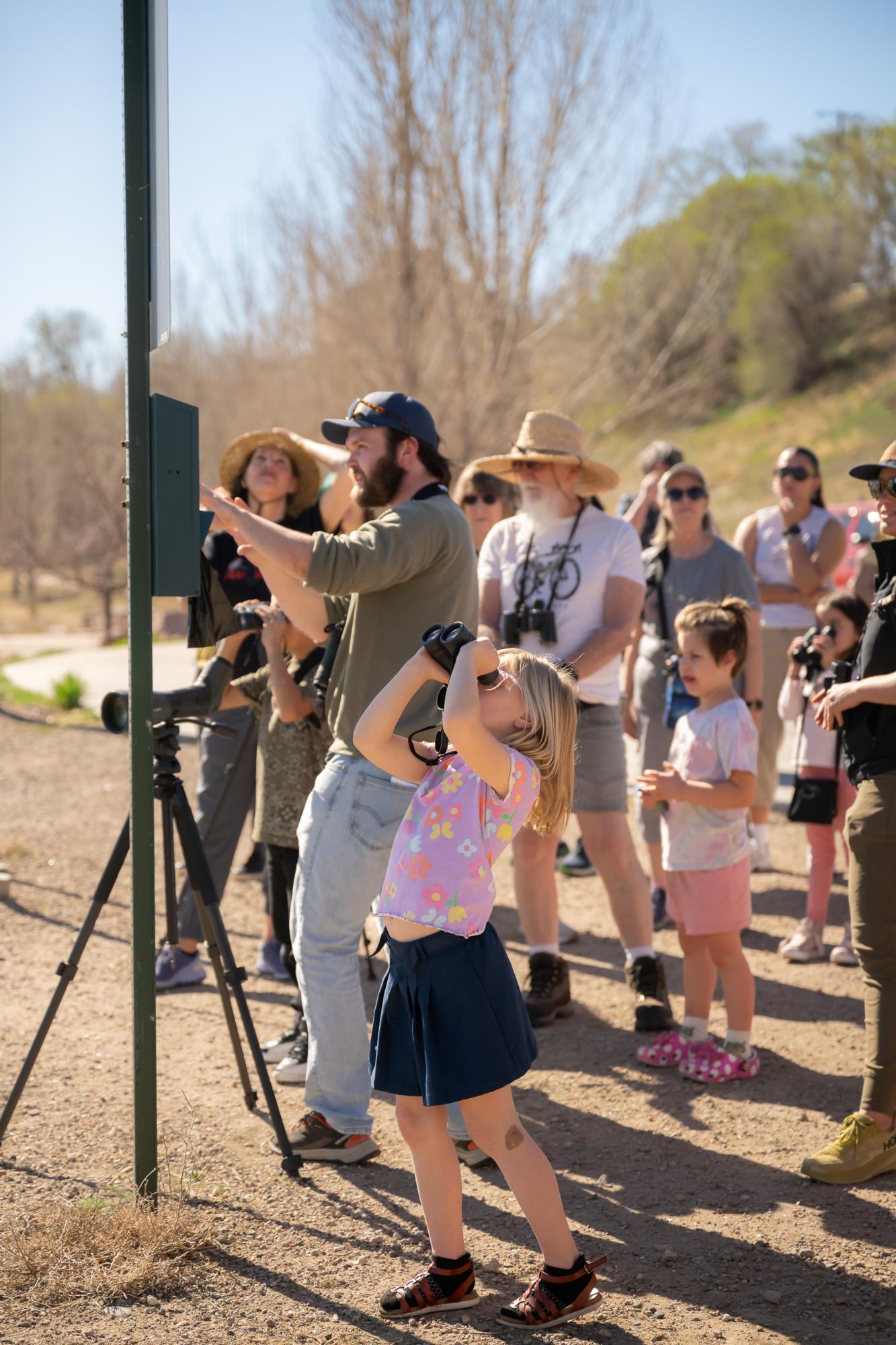
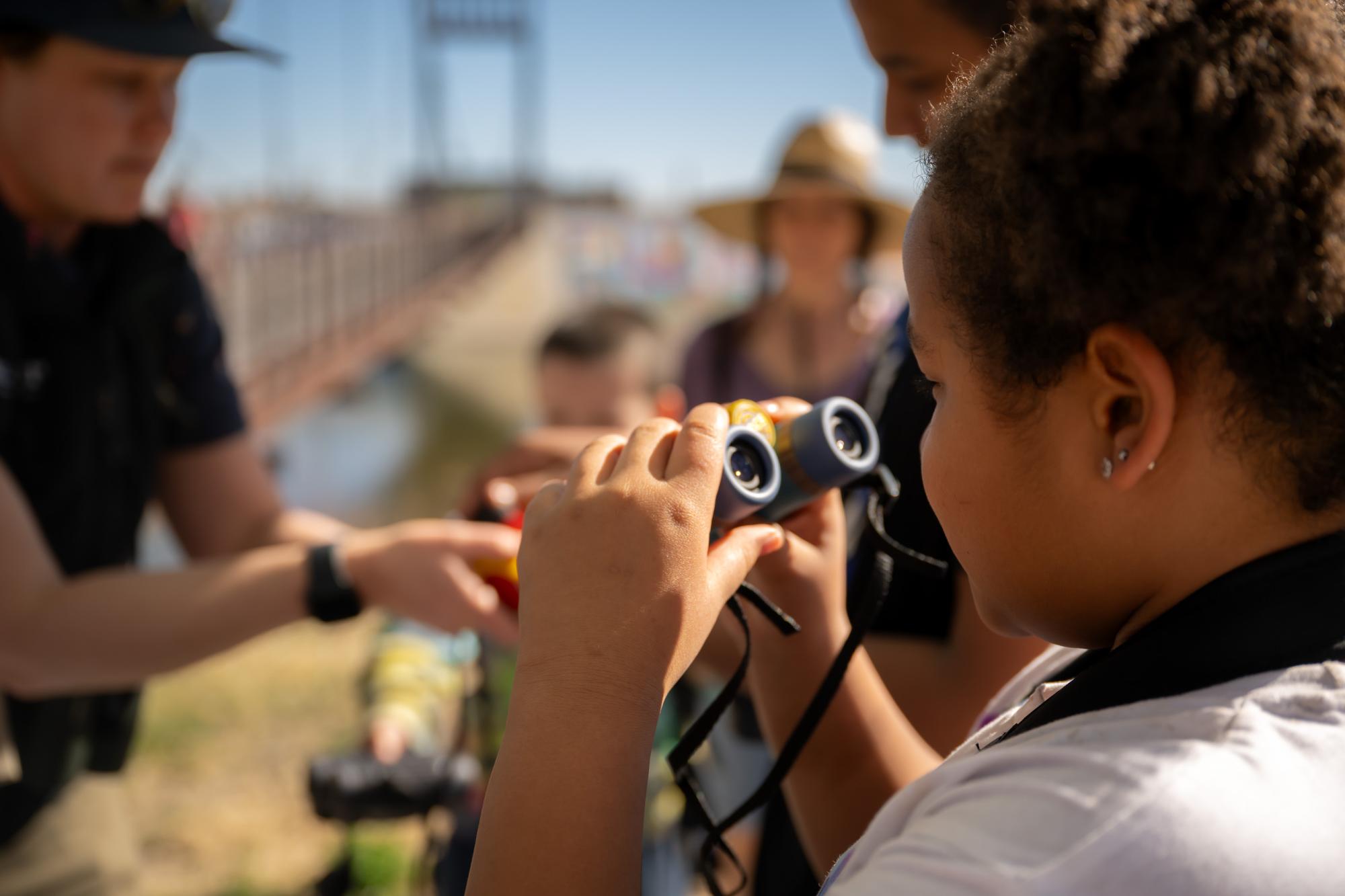
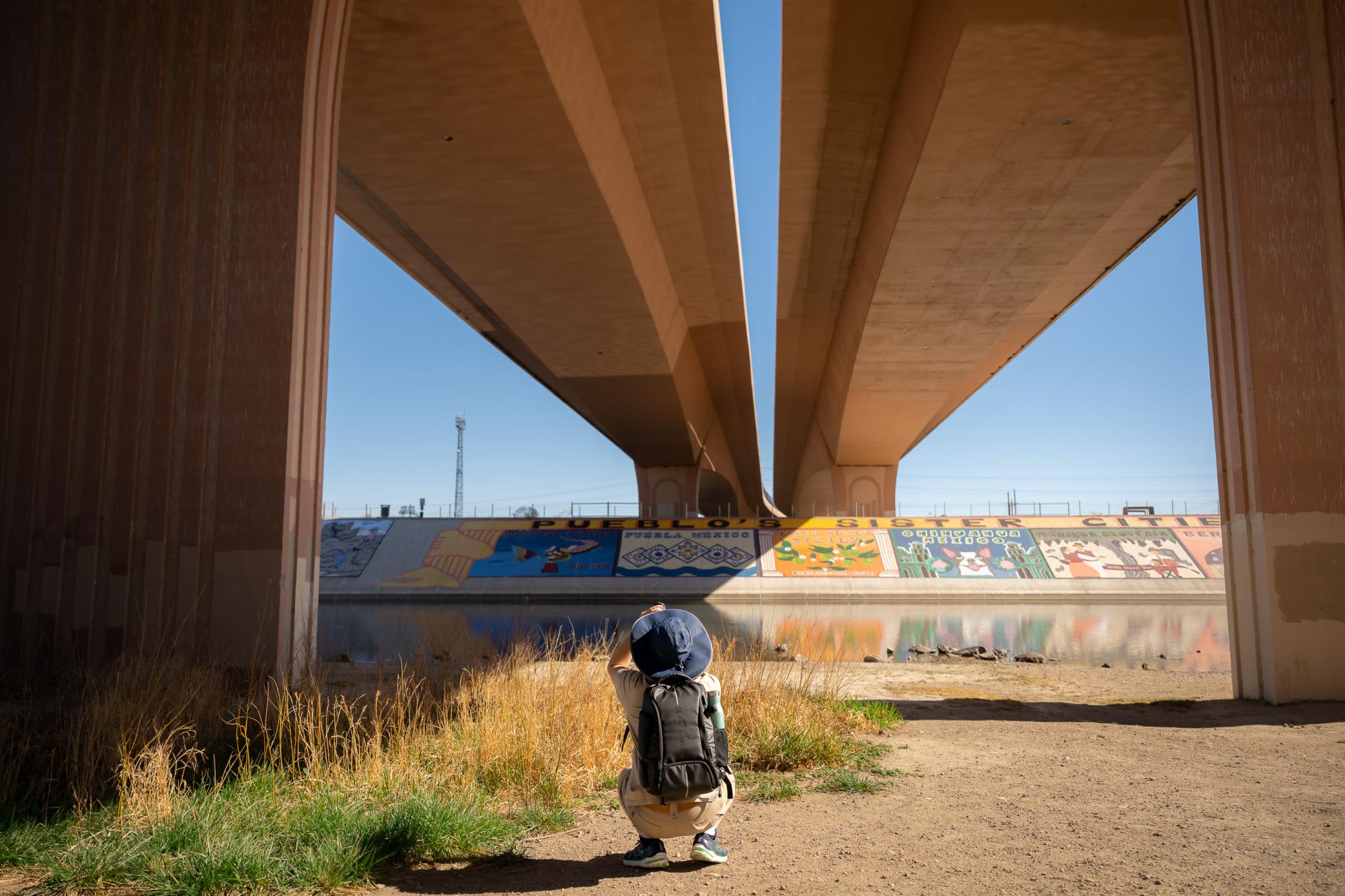
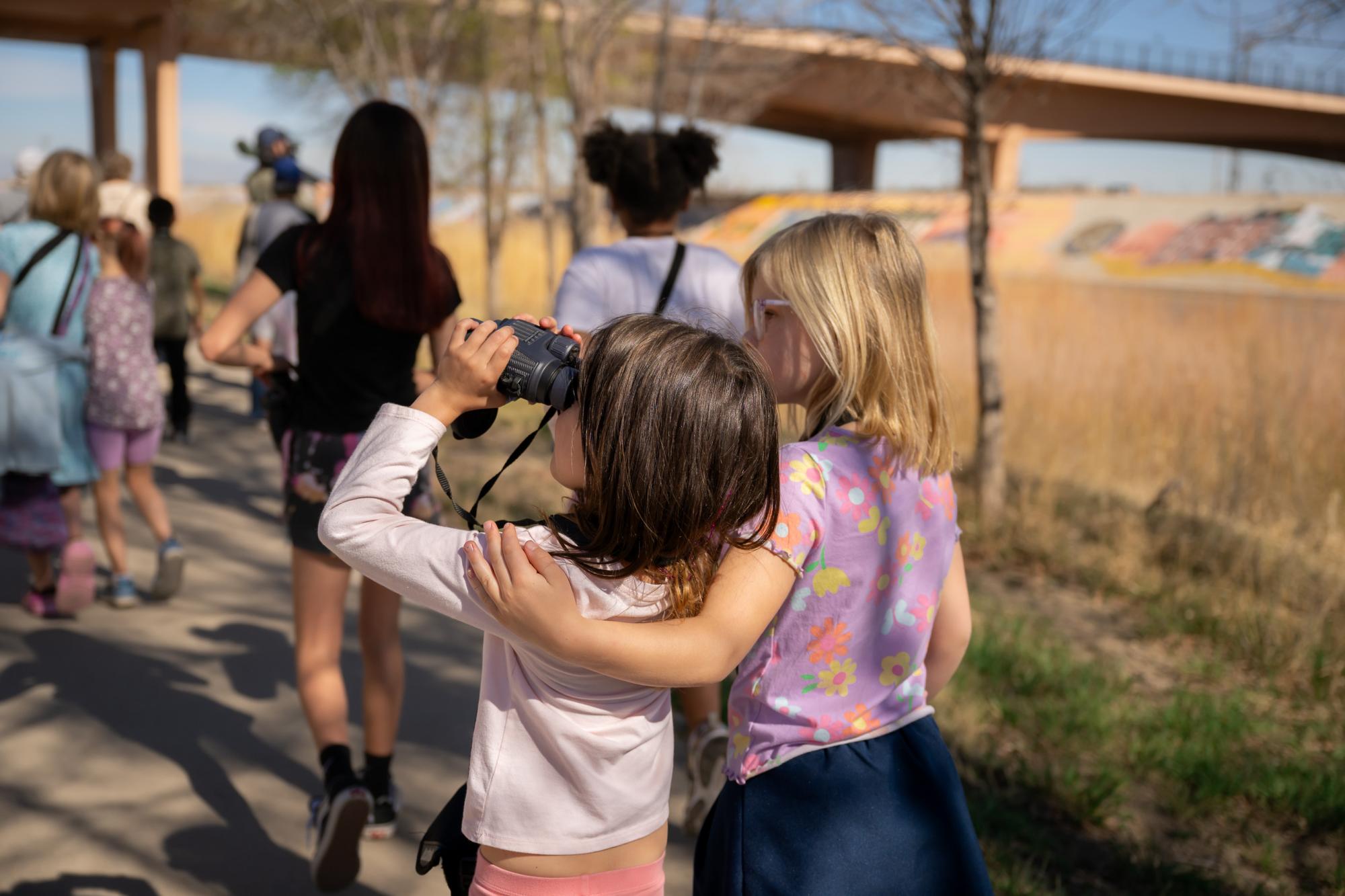
Photos curtesy of One in a Gillian Photography.
Tools for Discovery
Throughout the morning, children tested various binoculars—from compact, colorful models perfect for small hands to more robust pairs with increased magnification. Under Andrew's patient guidance, they formed orderly lines at the spotting scope, adjusting it for different heights so everyone could get a close view of distant ducks.
One girl from the Boys & Girls Club showed particular interest, tuned in, and was eager to learn while providing thoughtful feedback on the binoculars. Her favorite? The blue ones, of course—because they're blue.
These young birders were helping Palmer make an important decision: which binoculars to purchase for future Generation Wild programs in Pueblo. Each opinion mattered.
Where Water Connects Us All
Under the bridge, while children swarmed around Andrew and the spotting scope, adults engaged in rich conversation about water. Fortunate to have Alan Ward, Water Resources Division Manager for Pueblo Water, join with his grandson, the group explored questions about where the water comes from, why levels fluctuate, and who decides how it's used.
"Folks wanted to know where the water comes from, why the water levels go up and down, and who gets the say when it comes to using this water," Jolene shared.
These conversations matter. The Arkansas River has sustained life in this valley for millennia, providing water for the crops that feed us and habitat for countless species. Understanding this connection is the foundation of stewardship.
Planting Seeds of Conservation
Conservation doesn't begin with policy or land management plans—it begins with connection. A child who learns to spot a Killdeer's nest along the riverbank becomes an adult who understands why that habitat matters. A young person who experiences the thrill of identifying their first bird becomes someone who fights to protect the places where those birds live.
As the group walked the trail together—some with binoculars raised, others wiping sweat from their foreheads in the March heat—the future of conservation was taking shape. Not in a boardroom or policy document, but in the hearts of children learning to see their world more clearly, finding moments of wonder that slowed the world down just enough to notice what had always been there, waiting to be discovered.
Thanks to programs like Generation Wild and events that welcome kids free of charge, Palmer Land Conservancy expands its mission "to protect land and water for the well-being of nature and people" one young conservationist at a time—armed with binoculars, curiosity, and the life-changing realization that nature's wonders are hiding in plain sight.
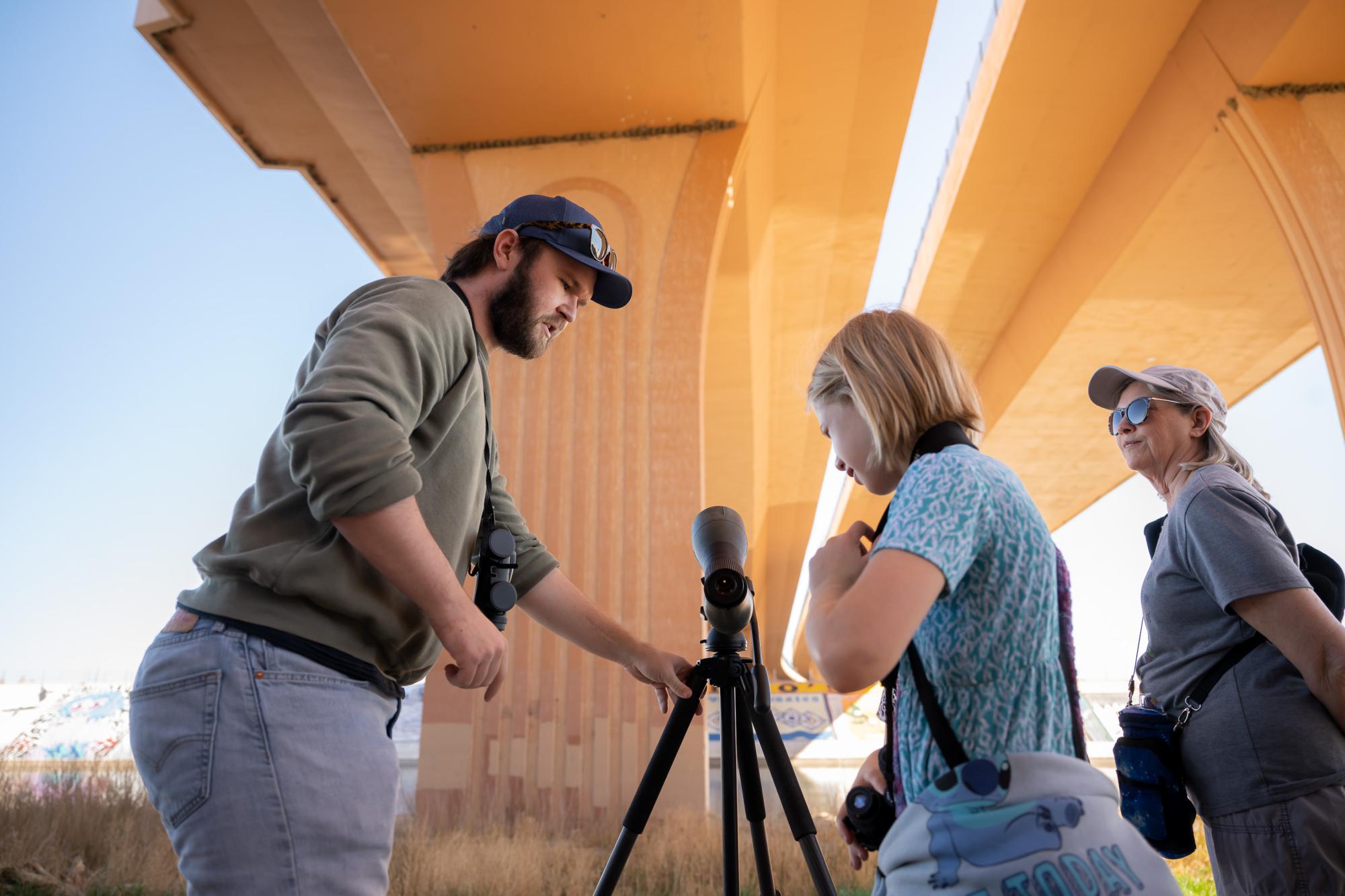
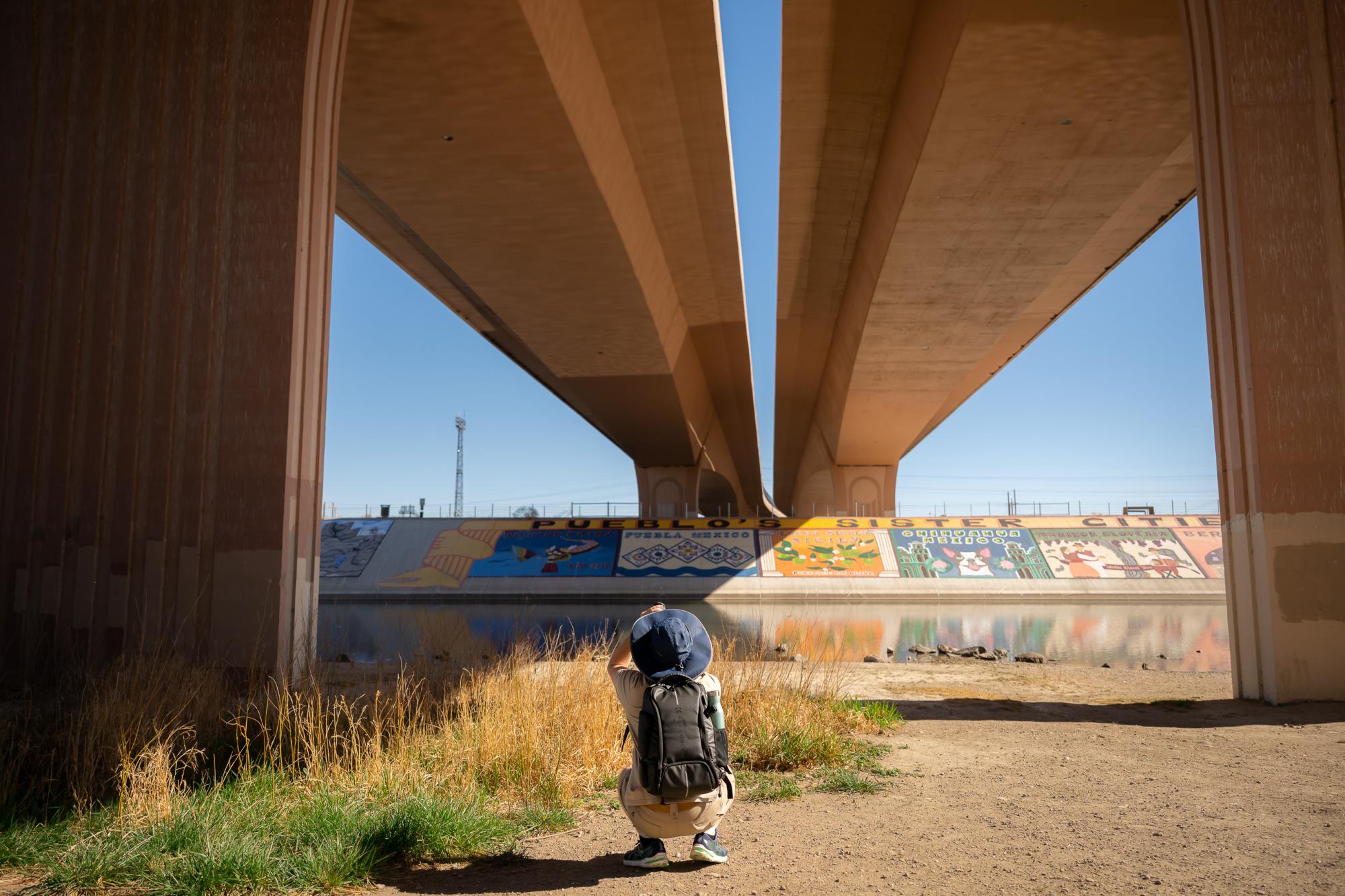
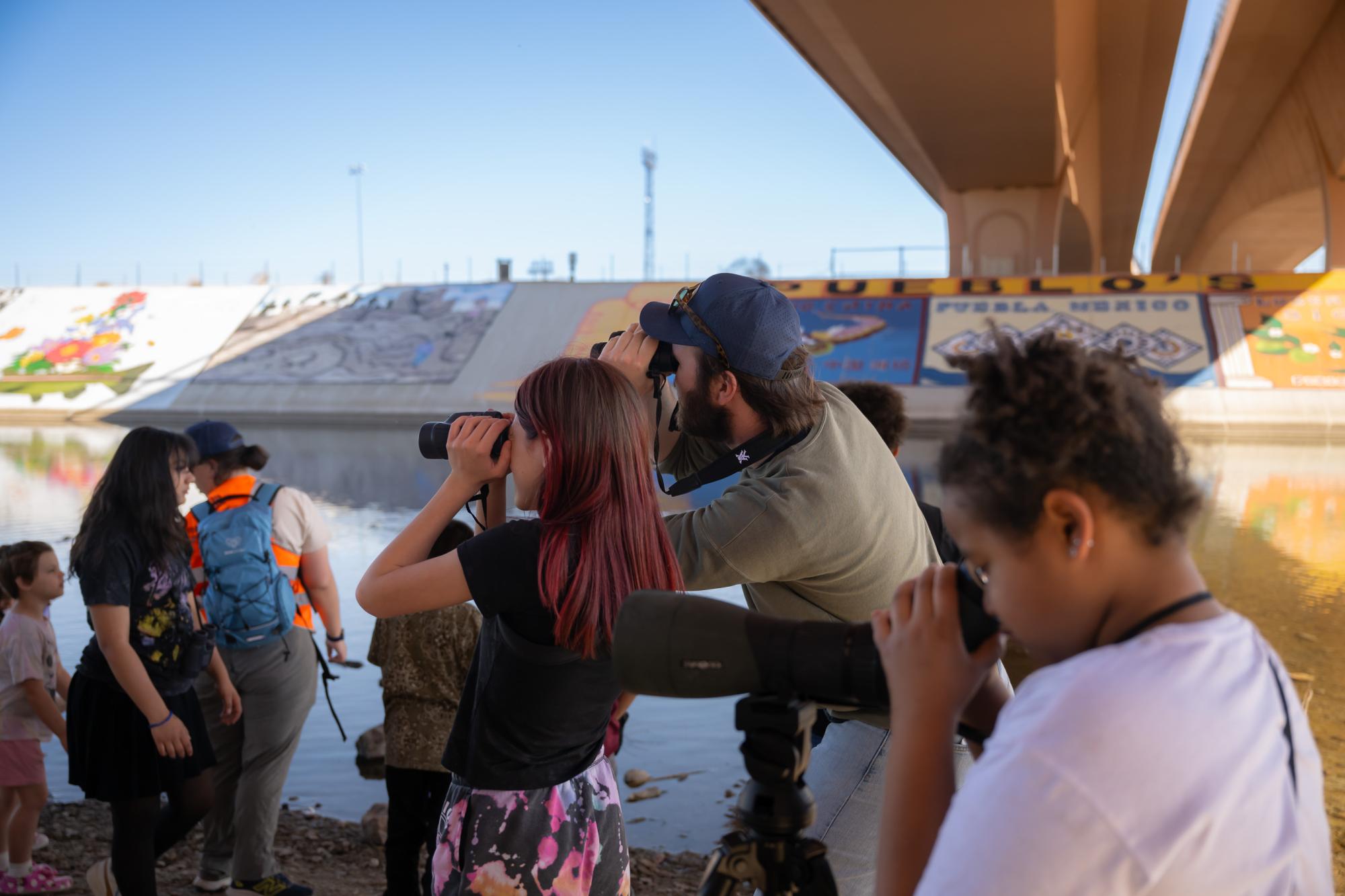
Photos curtesy of One in a Gillian Photography.

A FILM ABOUT WATER, LAND, AND A WAY OF LIFE
We are delighted to announce the full film is now available to watch for FREE online!