The Pikes Peak Sentinel Landscape: Where Protecting Nature, National Security, and the Local Quality of Life Meet
Back to blog feedMore than 40% of Colorado Springs’ economy depends on open spaces.
Outdoor recreation might come to mind first—the trails, the views, the open sky that draws people here from across the country. But the five military installations and their supporting industries that anchor this region contribute more than $10 billion to the local economy every year, and they depend on something most people drive past without a second thought—open land.
For decades, open land seemed almost infinite around Colorado Springs, but that’s no longer true.
When the U.S. Army established Camp Carson in 1942, Colorado Springs was a city of roughly 36,000 people. The land stretching east toward the horizon was shortgrass prairie as far as the eye could see—pronghorn moving in loose herds across the flats and ranchers running cattle on land their families had worked for generations. The sky above was uncluttered—no flight corridors, no satellite uplinks, no electromagnetic spectrum to protect.
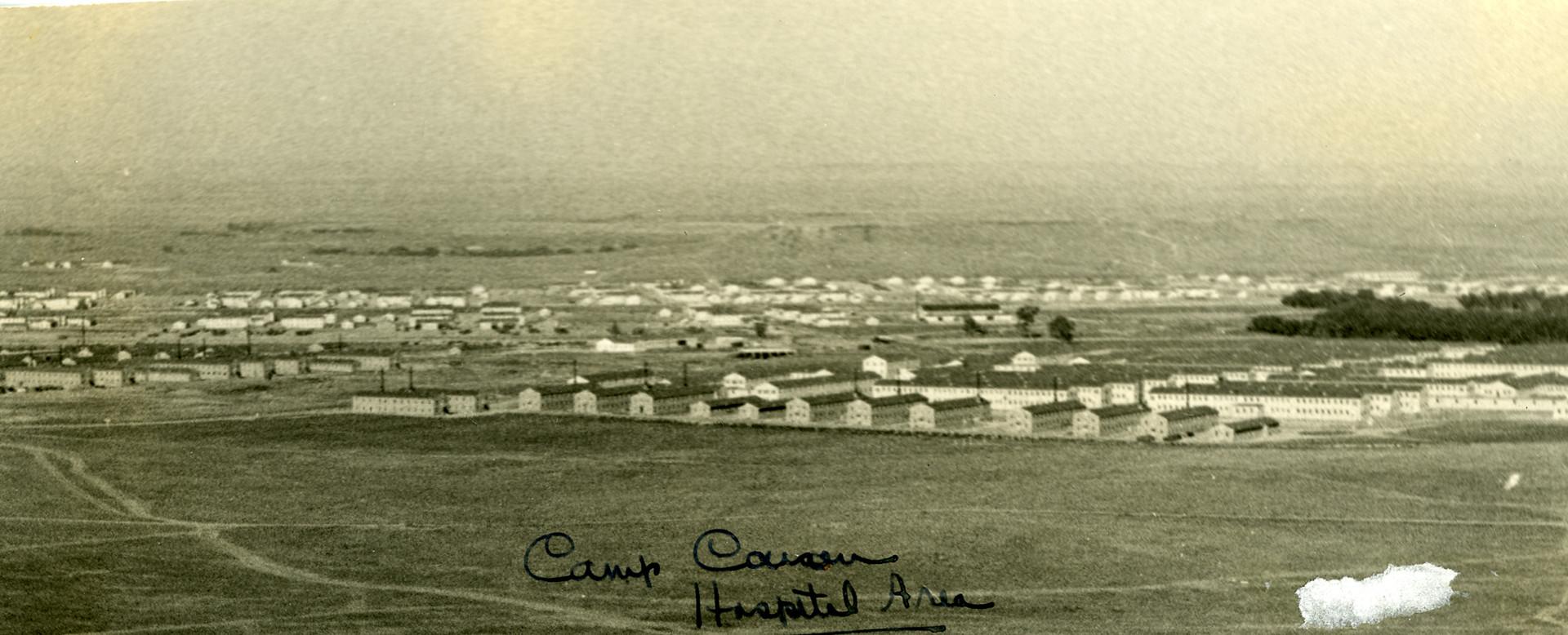
Photo: Courtesy of the Colorado Springs Pioneers Museum
That openness is exactly what attracted individuals and military institutions.
The military chose this region because of its wide skies, its unbroken sightlines, and its distance from the noise and density of cities. But as Colorado Springs grows east, that buffer is thinning. Retired Air Force General John Hyten recently offered a cautionary tale. In the 1980s, Silicon Valley grew so close to the Air Force Satellite Operations Center that the mission had to move.
The mission moved to Colorado to find security in our open spaces. Now, a new federal designation has provided the Pikes Peak region with a powerful tool to protect vital military assets while also sustaining the quality of life for people and wildlife who call this place home.
What is a Sentinel Landscape?
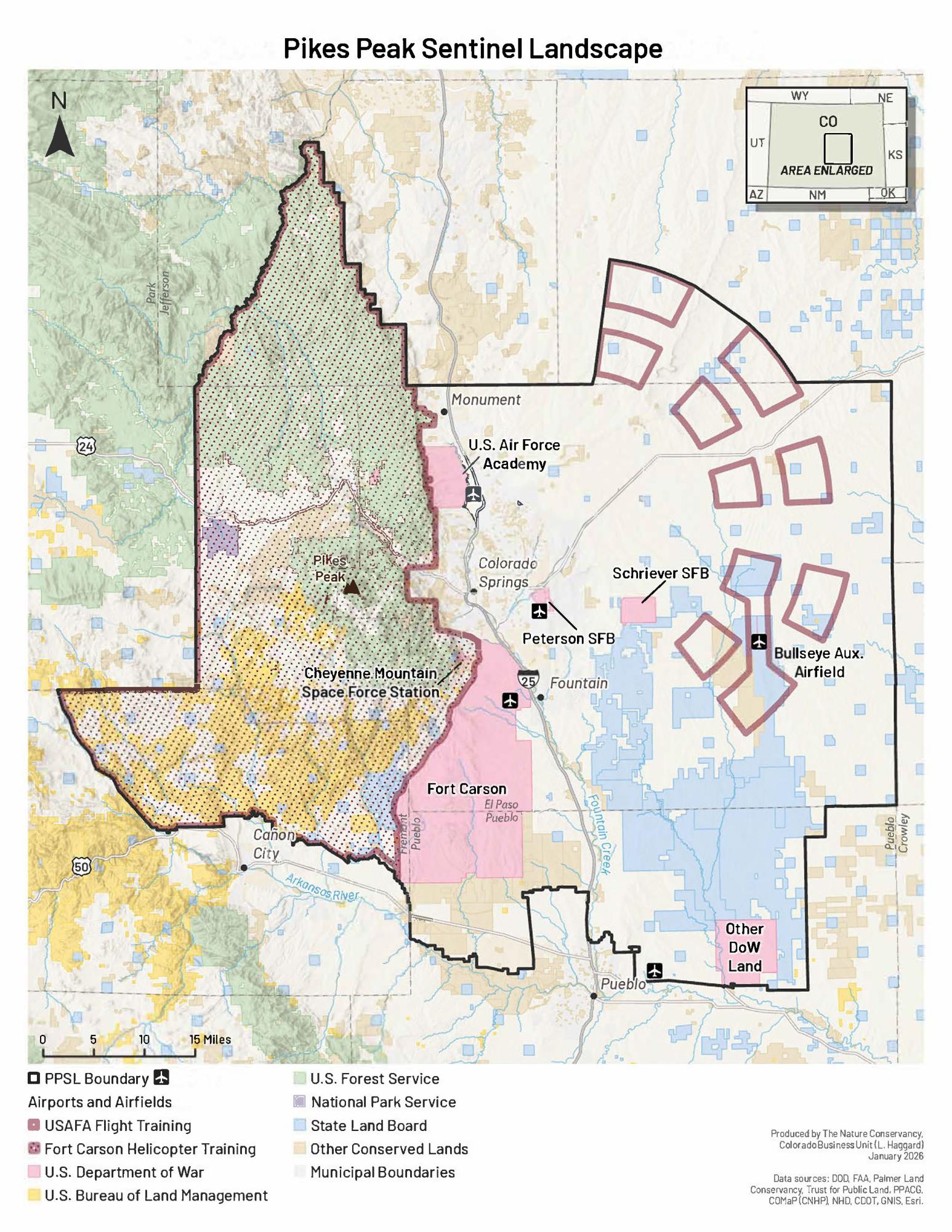
The federal government recently named the Pikes Peak region a Sentinel Landscape—one of only 21 in the nation and the only one in Colorado. This designation recognizes areas where the interests of conservation, working lands, and national defense converge.
It is not a new layer of regulation, nor does it automatically conserve or protect land. Instead, it elevates our region to a national priority, opening doors to federal funding and technical assistance from a joint partnership between the Department of Agriculture, Department of the Interior, and Department of War. By aligning priorities and pooling resources among multiple departments and stakeholders, Sentinel can better address local challenges with a unified effort.
The key objectives for the Pikes Peak Sentinel Landscape include:
- Reduce incompatible development near military installations and training areas
- Build resilience across forests identified as high-risk by the U.S. Forest Service
- Develop stormwater and watershed management throughout the Monument Creek and Fountain Creek watersheds
- Direct wildfire fuel treatments to key locations, reducing risk to critical water and energy infrastructure
- Conserve habitat for sensitive wildlife species
Why This Matters: A Triple Win for Colorado
This designation allows Palmer and our partners to protect the Colorado we love by focusing on three interconnected pillars:
Land For Nature: The shortgrass prairie is one of the most threatened ecosystems; Colorado has already lost roughly 48% of its historic native grasslands. Sentinel leads to greater funding opportunities which help us protect the habitat where the lark bunting sings and the swift fox dens, ensuring wildlife can migrate freely across the prairie.
Land For Food: Ranching has remained crucial in the region since before Colorado was a state. By keeping these lands intact, we protect our local food supply and the multi-generational legacies of families who have stewarded the prairie for more than a century.
Economic Vitality: With 111,000 jobs tied to the defense industry, protecting the line of sight of satellites and the flight paths of pilots is an investment in our community’s financial future. As Palmer Trustee and retired General Ed Eberhart warns, “this is not a matter of one installation scaling back operations, it's a matter of a large-scale exodus of the defense industry from our community.”
SOAR: The Vision in Action
We are already seeing what the Sentinel collaborative work looks like through the Security, Open Space & Agricultural Resilience (SOAR) initiative. A partnership between Palmer Land Conservancy, The Nature Conservancy, Trust for Public Land, the Colorado Defense Alliance and the Department of War, SOAR is working toward a monumental goal— conserving 100,000+ acres of land with ecological and military significance.
The centerpiece of this current effort is the historic Bohart Ranch. Palmer and our partners are now working to permanently conserve the full 48,000-acre ranch. This ensures cattle continue to graze beneath the same skies where Air Force pilots train for generations to come.
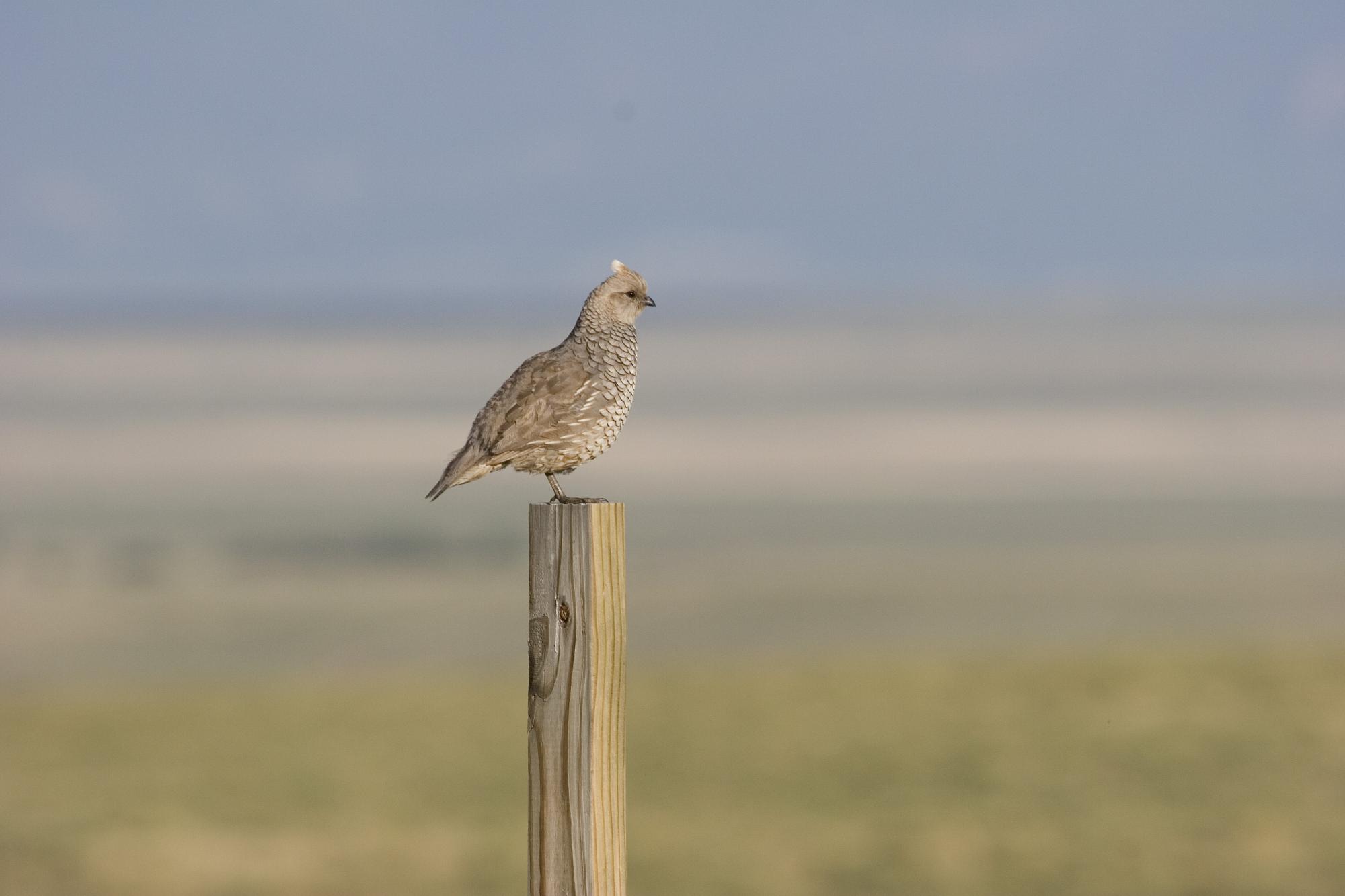
Bohart Ranch, photo courtesy of The Nature Conservancy/Bob Stocker
The Impact of the Coalition
For several years, a dedicated coalition including Palmer Land Conservancy, The Nature Conservancy, Trust for Public Land, and the Colorado Defense Alliance, worked hand in hand with the local military installations and the Department of War on the SOAR initiative. Encouraged to apply for the prestigious Sentinel Landscape designation, the group expanded its coalition to include the El Pomar Foundation and other valued stakeholders. Together, they submitted a thoughtful application to become Colorado's first Sentinel Landscape. After dedicating two years to this effort, the coalition sees this achievement as just the beginning of its collaboration to find creative solutions to the priorities it identified during the application process.
The Necessity of Community Support
Federal programs like Readiness and Environmental Protection Integration (which funds the SOAR initiative) and Sentinel Landscapes create a rare opportunity: substantial federal investment and technical support, to be matched by local investment and leadership. Success is only possible with community resources and commitment.
By protecting the open land today, we ensure that the Pikes Peak region remains a place where nature and people can thrive for generations to come.
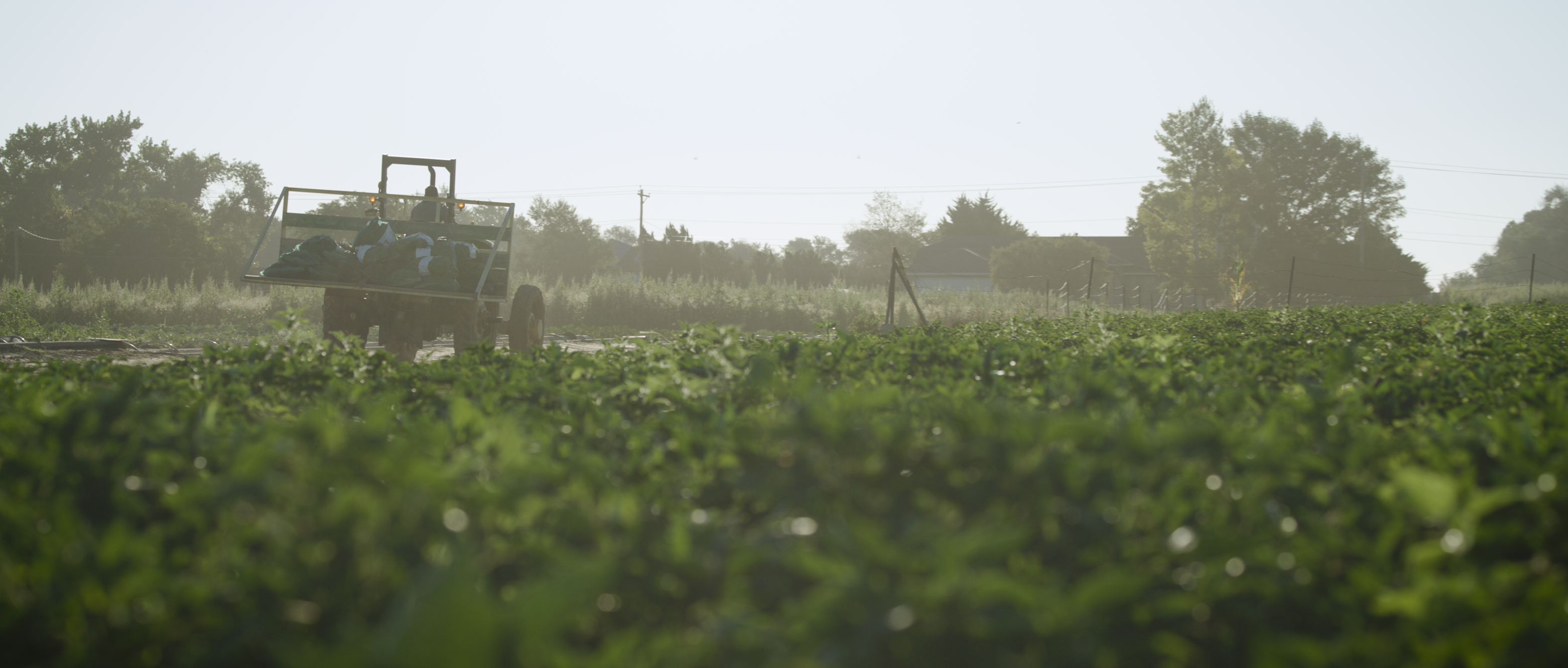

A FILM ABOUT WATER, LAND, AND A WAY OF LIFE
We are delighted to announce the full film is now available to watch for FREE online!