The True Cost of Buc-ee’s
Back to blog feedAn Open Letter by Rebecca Jewett and Erik Glenn
By now, we are all aware of the Buc-ee’s controversy.
For over a year, the proposal for an oversized travel center at the interchange of Interstate 25 and County Line Road has divided communities, packed hearing rooms, and dominated local headlines. When Palmer Lake’s planning commission rejected the “flagpole annexation” and zoning plan, and the developer withdrew its application, many thought the door closed.
Yet, bulldozers and excavators have been seen on the site, shifting earth and erecting fences. Amid state approval of groundwater permits and mixed signals from officials regarding the project’s future, a lack of transparency clouds the community.
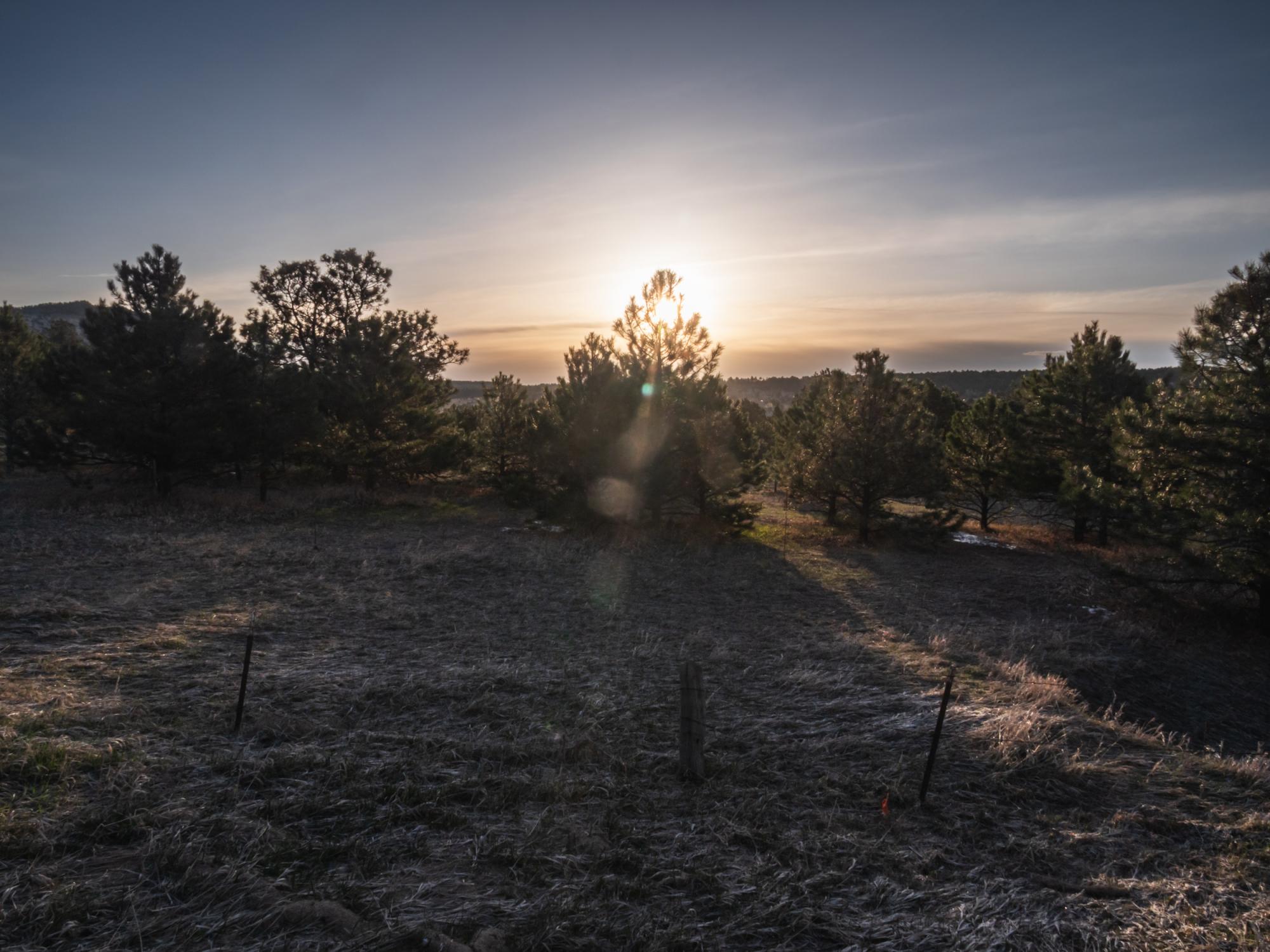
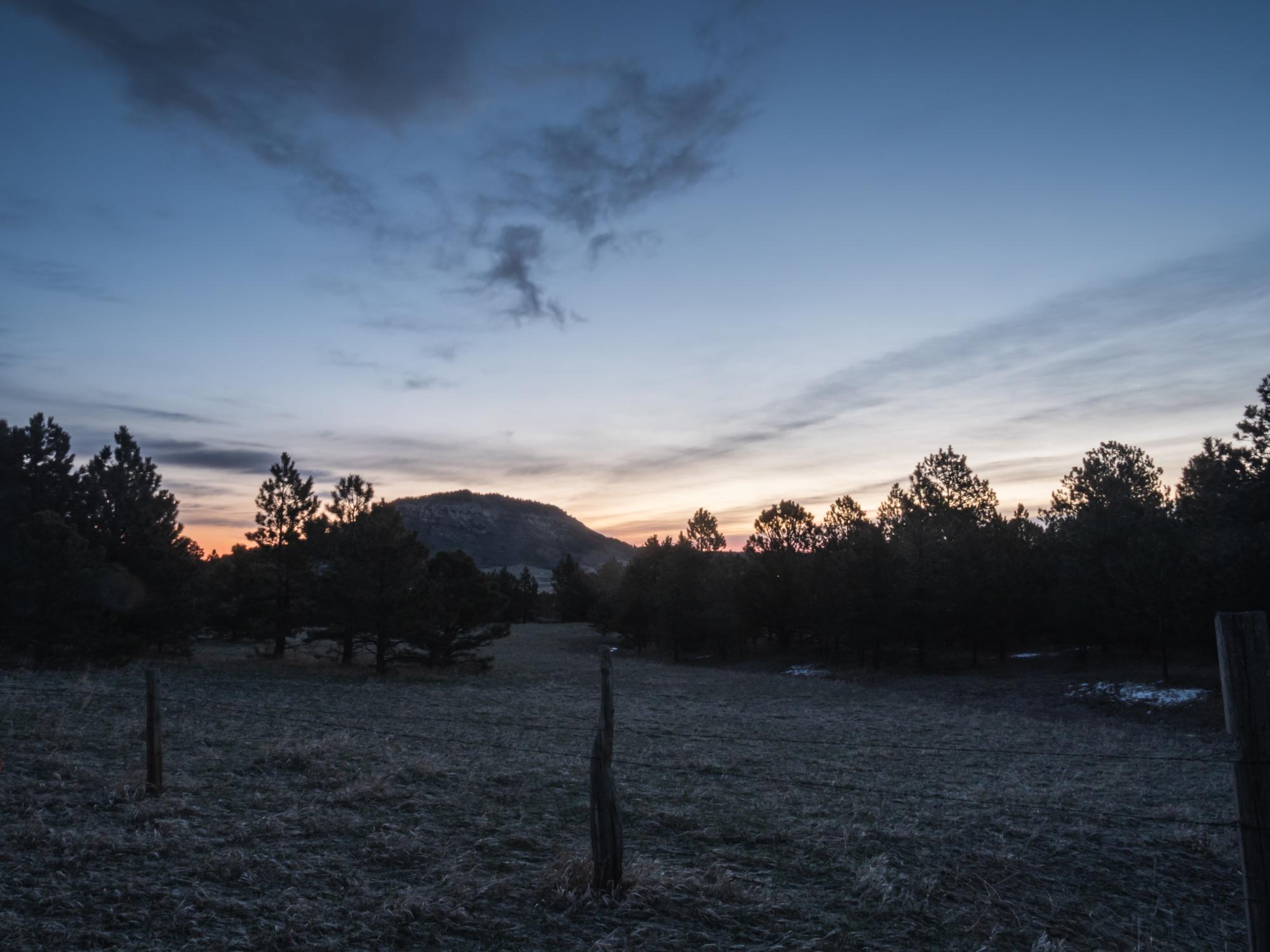
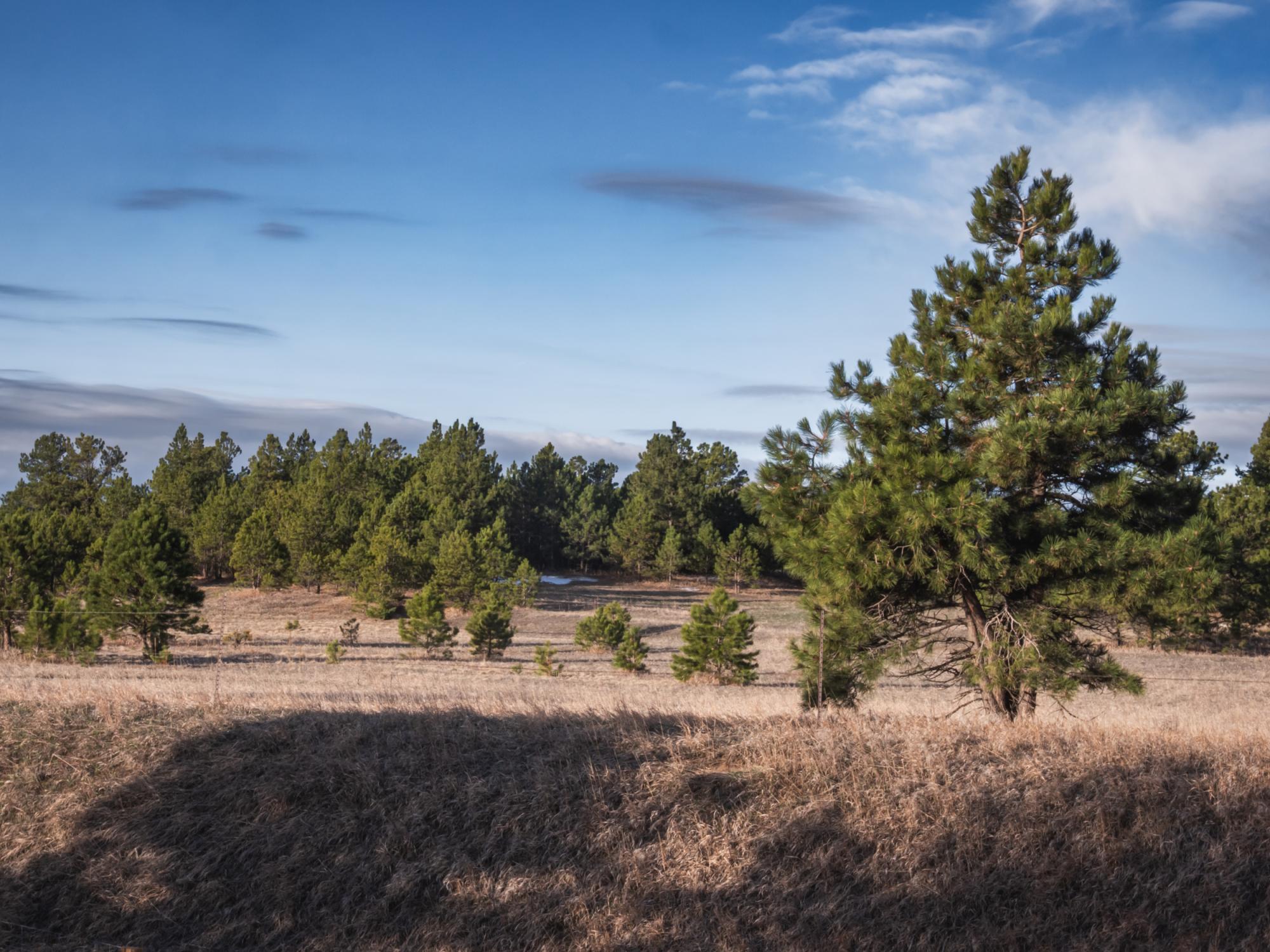
Photos of the site of the proposed Buc-ee's before site grading began.
This is not merely about a gas station. At issue is a super-sized 24‑hour travel center; a commercial footprint rivaling a small shopping mall, with scores of fuel pumps, hundreds of parking spaces and ceaseless traffic. It would forever transform, both literally and symbolically, the entrance of the Pikes Peak region at the Douglas-El Paso county line atop Monument Hill.
Buc-ee's fans love the beaver nuggets and jerky — but at this exit, the trade-offs hit home for the community: as some see it, tapped-out aquifers; worsening congestion on I-25 and local roads; bright lights washing out starry nights; and elk herds cut off from habitat that took decades to stitch together. These aren't NIMBY gripes. These are concerns about the fundamental values that reflect the future of the community, and if its ecological limits will be respected amidst growth. With a project this massive, decisions demand a fully public process. Once the corridor builds out, it is changed forever.
For decades, local partners and state leaders have worked together to thoughtfully shape growth along the Front Range, preserving the distinct character of our communities. Through strong partnerships, smart policy, and dedicated community action, they have helped ensure our cities remain connected, but not combined.
Nowhere is that work more evident than the surrounding conserved lands just north of the proposed Buc-ee’s site. The iconic Greenland Ranch, forever protected through a conservation easement held by Colorado Cattlemen’s Agricultural Land Trust, forms one of the largest unbroken stretches of protected working ranchland along the entire Front Range. Throughout southern Colorado, Palmer Land Conservancy and partners have poured years of effort and millions of dollars into protecting agricultural lands, wildlife habitat, and public open space to frame the Pikes Peak’s northern gateway. Together, these are a daily reminder to hundreds of thousands of travelers that Colorado is still, at its core, a place of open country.
The public consistently invests in these landscapes through Great Outdoors Colorado (GOCO) and Colorado's conservation easement tax credit program and local funding programs. As conservation experts, we believe deeply in private property rights — they are the foundation of the voluntary, landowner-driven work we do every day. But rights carry responsibilities, and no property exists in isolation. A shared aquifer, a regional highway, a migration corridor: these don't stop at a parcel line, and neither should the public's right to understand how a project of this scale will affect them. That is why we champion a transparent public process here, not to override the site's legal zoning, but to ensure the impacts that spill beyond one property are weighed in the open.
Though we cannot predict the next chapter in the Buc-ee’s saga, we can say, with certainty, that decisions of this magnitude should not occur behind closed doors. This project would redefine the gateway to Pikes Peak, dramatically change the way we interact with this landscape, and reduce the value of the significant conservation investments the citizens of El Paso and Douglas Counties and the state of Colorado have made in this incredible and unique place.
This isn't just about a gas station. It's our gateway, legacy, and story. Colorado’s rugged and independent spirit demands better. The next chapter should be written together, out in the open.
About the Authors:
Rebecca Jewett is the President and CEO of Palmer Land Conservancy. With more than 15 years of leadership experience in conservation, she leads efforts to permanently protect land and water resources across Colorado.
Erik Glenn is the Executive Director of the Colorado Cattlemen’s Agricultural Land Trust (CCALT). Since 2015, Erik has led one of the largest statewide conservation organizations that has protected over 800,000 acres of working ranches and farms.

A FILM ABOUT WATER, LAND, AND A WAY OF LIFE
We are delighted to announce the full film is now available to watch for FREE online!