
You Have More Influence Over Colorado's Water Than You Think
Back to blog feedIf you've been paying attention to the news, you've probably heard it already—Colorado's snowpack is well below normal levels for this time of year.
The news is unsettling. Snowpack is one of the most reliable indicators we have about our water future, and when it's low, it raises questions about what lies ahead. But it's also important to pause before jumping to worst-case scenarios. Snowpack is only one piece of a much larger, more complex water picture, one that's shaped not just by weather, but by the choices we make as communities.
We want to use this news to raise awareness and remind Colorado residents we all have an impact on one of the most precious resources in the West. Because while we can't control how much snow falls in any given year, we do have influence over how water is managed, shared, and protected across Colorado, especially in the years ahead.
That's why conversations about water matter now. And why understanding how water moves through our landscapes, farms, cities, and communities is so important. Not just for policymakers, but for everyday Coloradans who care about our state's future.
Moving Beyond the Headline
We recently hosted a virtual event, Understanding Colorado's Water: Water, Community, and You, to dig deeper into what Colorado's water future actually looks like—and what influences it.
Watch the Recording
The conversation moved beyond any single headline. Instead, we talked about how water connects every part of life in Colorado: how it's used, stored, supplied, and how decisions are made at local and regional levels shape outcomes far beyond one season or year.
Water decisions in Colorado aren't just technical matters for experts—they're deeply human issues that will determine the future of our communities, farms, and landscapes. As Dillon O'Hare, Palmer's Senior Program Manager, emphasized during the event, "We can't make more water!" This simple truth underscores the importance of the collaborative, innovative approaches being developed right now to balance the needs of growing cities, productive agriculture, and healthy ecosystems.
Real Solutions
A recurring theme throughout the event was that while Colorado's water challenges are real, they are not unsolvable.
Innovative, collaborative approaches are already underway, recognizing the zero-sum approach to water resources isn’t the only or best way handle water deals. These solutions rely on partnerships between agriculture, municipalities, and conservation organizations, and they're built through long-term thinking rather than quick fixes.
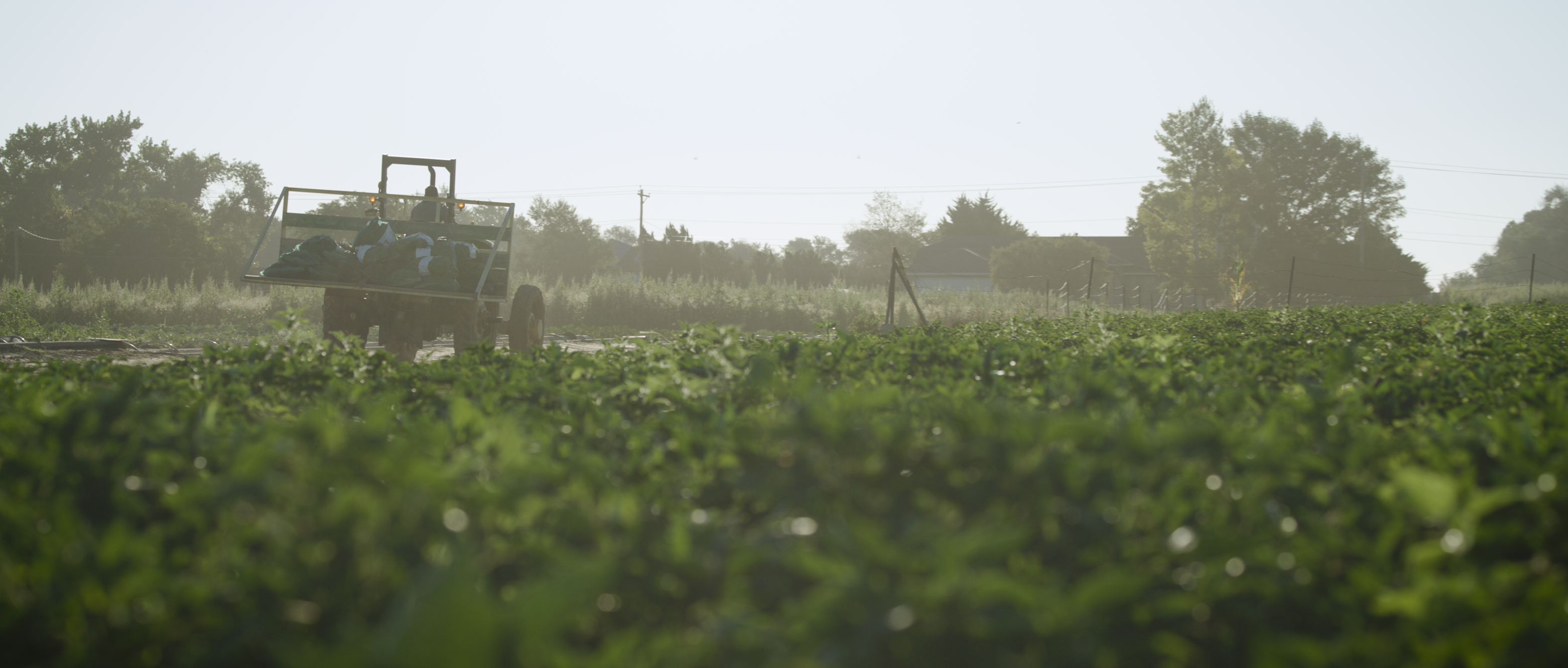
Dillon O'Hare shared Palmer’s current work on the Bessemer Water Conservation Project regarding the work to reunite permanent water with one of the largest and most productive farms on the ditch as a key project that Palmer will use key findings for future projects across the state and the West.
Why This Matters Now
The decisions shaping Colorado's water future aren't decades away. These decisions are happening right now.
Communities throughout Colorado are grappling with immediate water challenges. In Pueblo County, the Bessemer Farmland Conservation Project is actively working to mitigate the pending dry-up of more than 5,000 acres of prime farmland. In the Fountain Creek watershed, as Alli Schuch from Fountain Creek Watershed District noted, unpredictable flooding and erosion continue to threaten properties and infrastructure—challenges that require immediate attention and long-term solutions. As the state’s population growth continues, our water resources decrease as droughts in the West become more common, creating urgent pressure to find innovative ways to meet competing demands.
These aren't theoretical problems for future generations to solve. The water decisions being made in city councils, ditch company meetings, and conservation planning sessions in the coming years will determine whether Colorado maintains its agricultural heritage, whether communities have access to locally grown food, and whether natural wetlands and waterways flourish. How we respond now—whether through collaboration or conflict—will define the Colorado we leave behind.
This is why awareness matters. And why staying engaged, even when the topic feels complex or overwhelming, is so important.
Where You Fit
Community involvement looks different for everyone. For some, it starts with learning where their water comes from. For others, it means paying attention to local planning conversations, showing up for community discussions, or supporting land and water protection efforts. Sometimes, it's simply asking questions about how water decisions are made.
Being part of the solution isn't about having all the answers. It's about staying connected and engaged as those answers take shape.
Palmer Land Conservancy, Fountain Creek Watershed District, and the Colorado Ag Water Alliance invite you to stay engaged with water and conservation issues in Colorado. As Palmer’s community engagement manager, Carrie Supino, closing remarks emphasized, "we are just so incredibly fortunate and thankful to have such a wonderful, engaged community of folks who are eager to learn and eager to be engaged with the work of conservation in Colorado."
Looking Ahead
Palmer Land Conservancy remains committed to advancing thoughtful, collaborative water solutions that work for people, land, and communities across Colorado. Sign up for Palmer’s newsletter to stay informed about future projects updates, events, and other ways you can protect the land and water that make our beloved state so special.
The snowpack headlines may fade, but the work continues. And the choices we make together will shape the landscapes, farms, and communities that define Colorado for generations to come.

A FILM ABOUT WATER, LAND, AND A WAY OF LIFE
We are delighted to announce the full film is now available to watch for FREE online!