New Deal to Protect 7,200 Acres of Colorado Springs-Area Natural Habitat
Back to blog feedA 7,200-acre land purchase east of Colorado Springs marks a key step toward permanently conserving the entire 48,000-acre Bohart Ranch.
This purchase represents Phase Three of the Security, Open Space and Agricultural Resilience (SOAR) Initiative—a landmark collaborative partnership led by Palmer Land Conservancy, Trust for Public Land, and The Nature Conservancy. Together, the three phases now encompass roughly 26,200 acres, pushing the effort past the halfway mark toward protecting the entire 75-square-mile ranch that supports wildlife and local agriculture.
Trust for Public Land purchased the property from the Colorado State Land Board, and Palmer Land Conservancy will hold interim deed restrictions on the land while the partners work toward permanent conservation easements.
“The vision for Bohart Ranch has always extended beyond protecting individual parcels,” said Joel Nystrom, Colorado Director of Land Protection with The Nature Conservancy. “Phase Three advances a landscape-scale conservation effort that strengthens connectivity across an extraordinary 48,000-acre corridor that supports wildlife, working lands, and the Air Force Academy’s mission, while preserving the open character of this special place for generations.”
An Open-Space Buffer for Military Missions
More than 40% of Colorado Springs’ economy depends on open spaces. While world-class trails and iconic red-rock vistas often come to mind first, five regional military installations and supporting defense industries contribute more than $10 billion to the local economy annually—and they rely on unbroken, undeveloped buffers to operate safely.
Bohart Ranch surrounds Bullseye Auxiliary Airfield, a critical training site for the U.S. Air Force Academy’s Airmanship programs. As development pushes eastward across El Paso County, open buffers between military operations and neighborhoods are rapidly thinning.
“Bullseye Airfield is a vital need for our training of future Air Force pilots here at the Academy,” said Col. Paul J. Brehm, 306th Flying Training Group commander. “Securing the land around the airfield from encroachment will allow our Airmanship programs to provide high-value flight training experiences for our future pilots while minimizing impacts to the local community.”
Encroachment around military training corridors poses real, immediate safety and operational risks. Nearby wind energy developments have already limited use of two of the Academy’s ten flight training areas, leaving pilots with fewer emergency landing options. Residential subdivisions can also diminish the unpopulated, open terrain pilots need for low-level flight maneuvers.
“Once open space around a military training site is lost to development, you cannot simply get it back,” said Rebecca Jewett, President and CEO of Palmer Land Conservancy. “Protecting Bohart Ranch is an opportunity to get ahead of that challenge and support the Air Force Academy’s training mission for the long term.”
A Living Mosaic: Prairie, Ranching, and Sentinel Landscapes
The SOAR Initiative was forged around the reality that conservation in Colorado must serve multiple, interconnected community needs at once.
At Bohart Ranch, that vision safeguards an extraordinary shortgrass prairie ecosystem supporting more than 200 plant species, 40 native mammal species, and nesting habitat for grassland birds like the lark bunting and swift fox. It also keeps multi-generational ranching operations thriving, allowing cattle to continue grazing beneath open skies where pilots hone their skills.
“Protecting Bohart Ranch is a powerful example of what can happen when conservation partners work alongside the local community to protect a landscape with many important uses,” noted Jim Petterson, Mountain West Region Vice President at Trust for Public Land. “The long-term conservation of the Bohart Ranch secures a critical U.S. Air Force Academy training area, while keeping working agricultural lands intact, protecting wildlife habitat, and preserving the open character and economic prosperity of the Pikes Peak region.”
This collaborative work is also the cornerstone of the Pikes Peak Sentinel Landscape—one of only 21 federally designated Sentinel Landscapes in the nation and the only one in Colorado. The designation recognizes regions where conservation, working lands, and national defense priorities converge, unlocking coordinated federal funding and technical support from the U.S. Departments of Defense, Agriculture, and the Interior.
Protecting What Unites Us
From the ranching families who steward the prairie soil to the cadet pilots training overhead, Bohart Ranch demonstrates what community-driven conservation can achieve. When local partners, defense leaders, state agencies, and conservation-minded donors align, we ensure that Colorado's iconic landscapes remain open, resilient, and secure—forever.
Support landscape-scale conservation that protects nature, local food, and community resilience across Colorado. Donate to Palmer Land Conservancy today to help keep our open spaces open for generations to come.
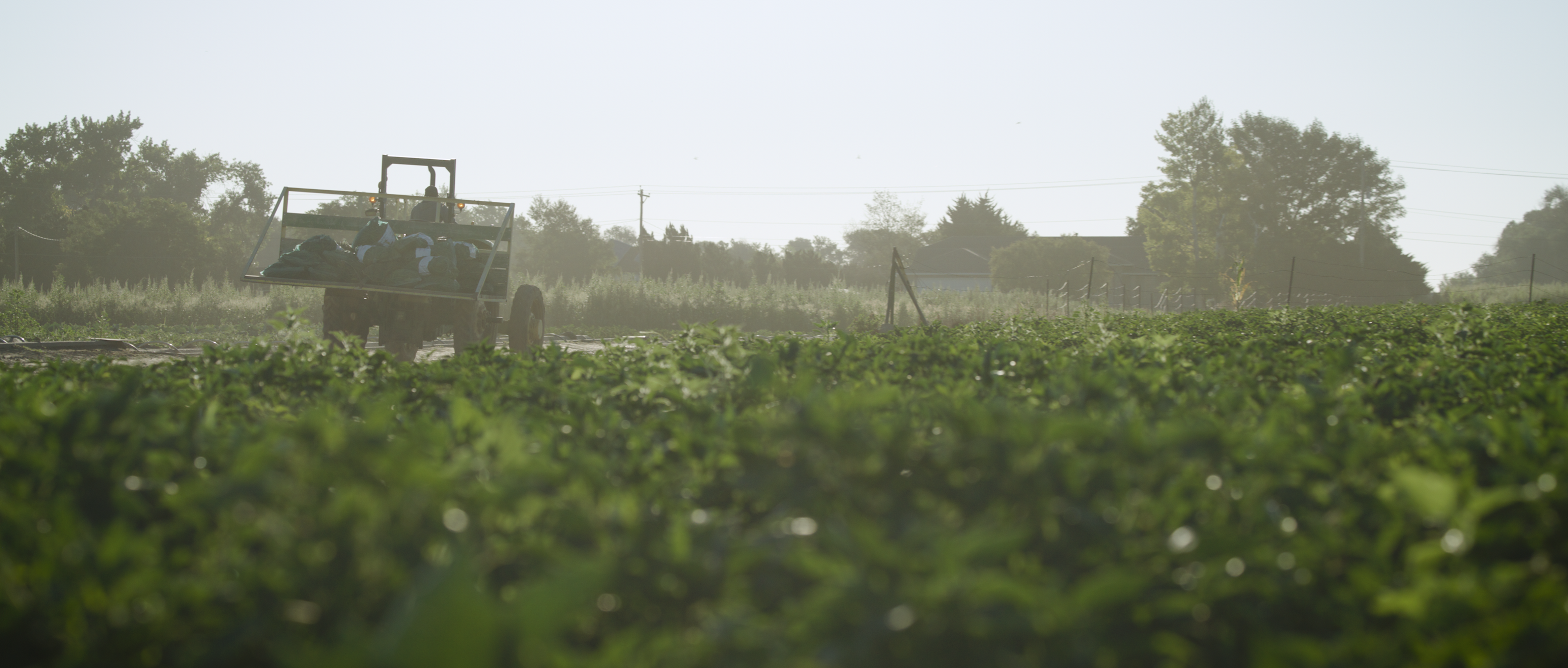

A FILM ABOUT WATER, LAND, AND A WAY OF LIFE
We are delighted to announce the full film is now available to watch for FREE online!