Tenacity 2026: Where Water, Land, and Leadership Meet
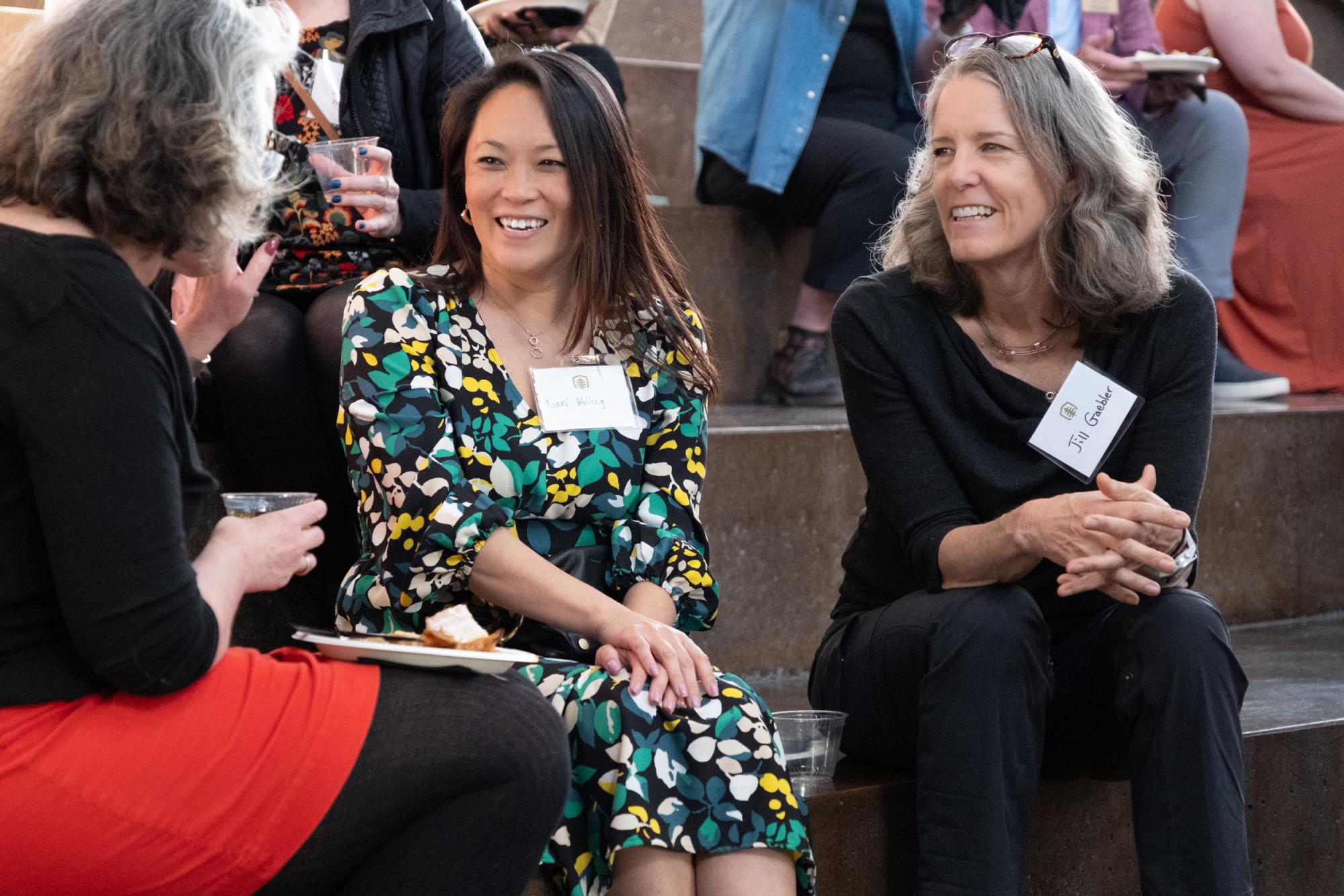
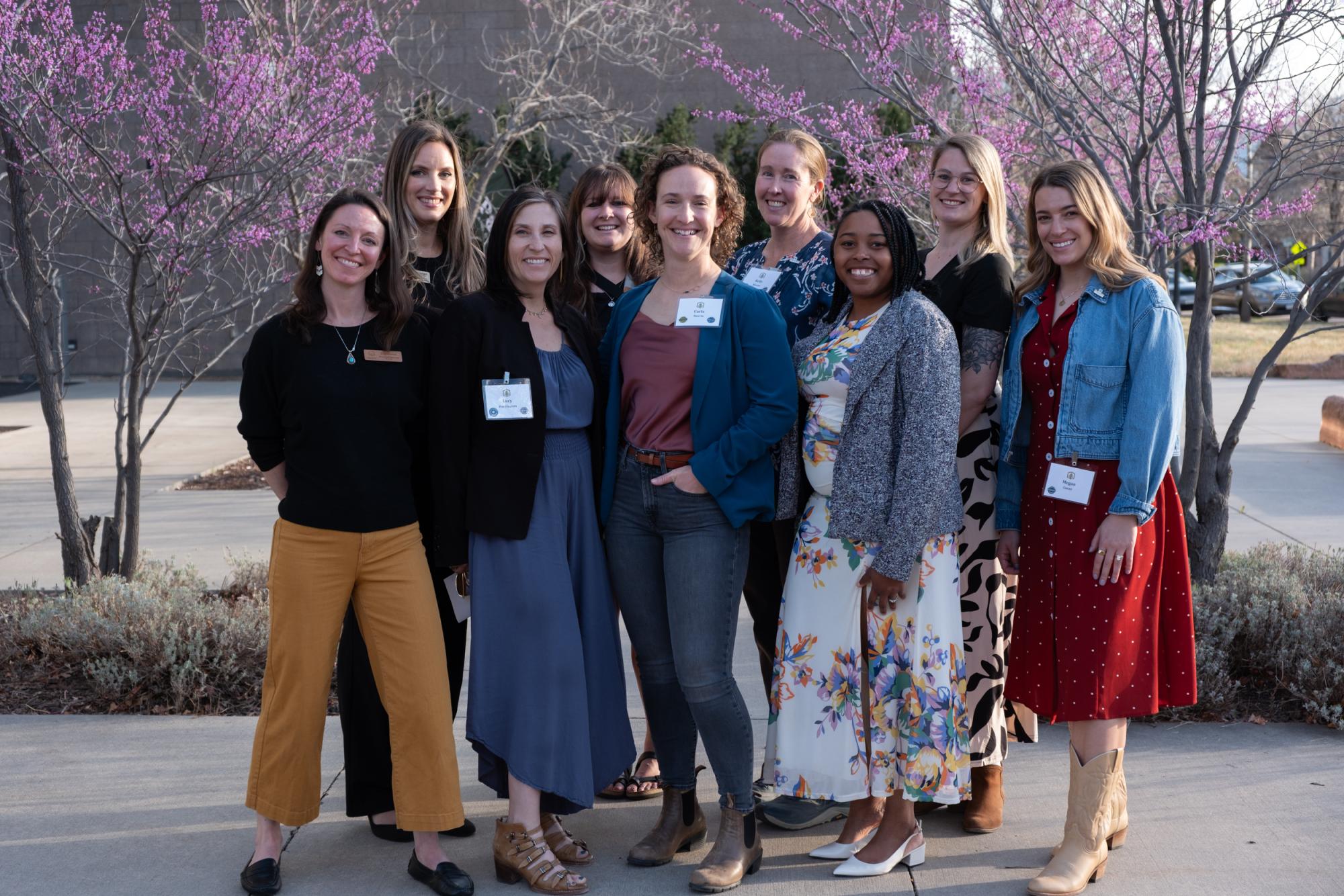
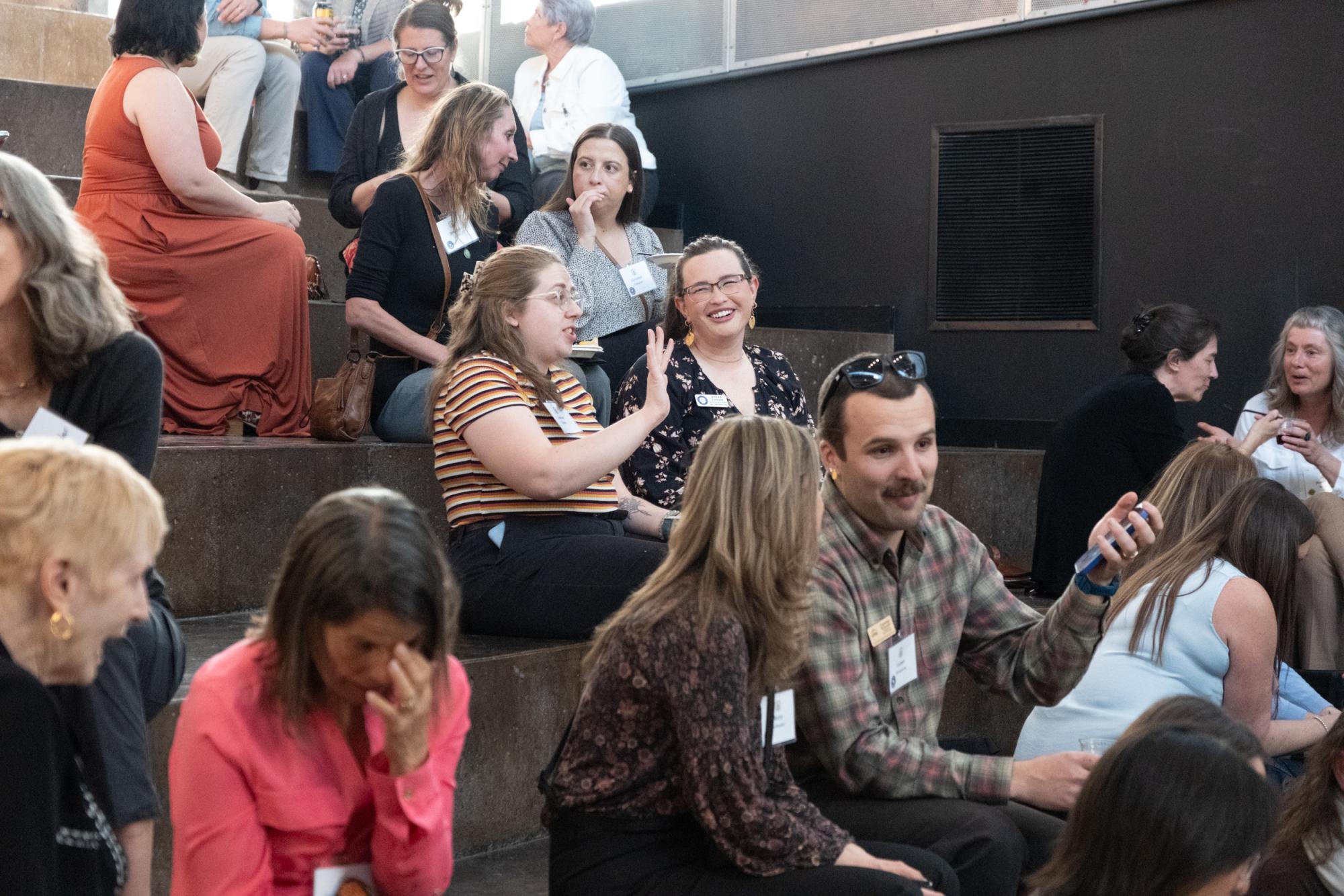
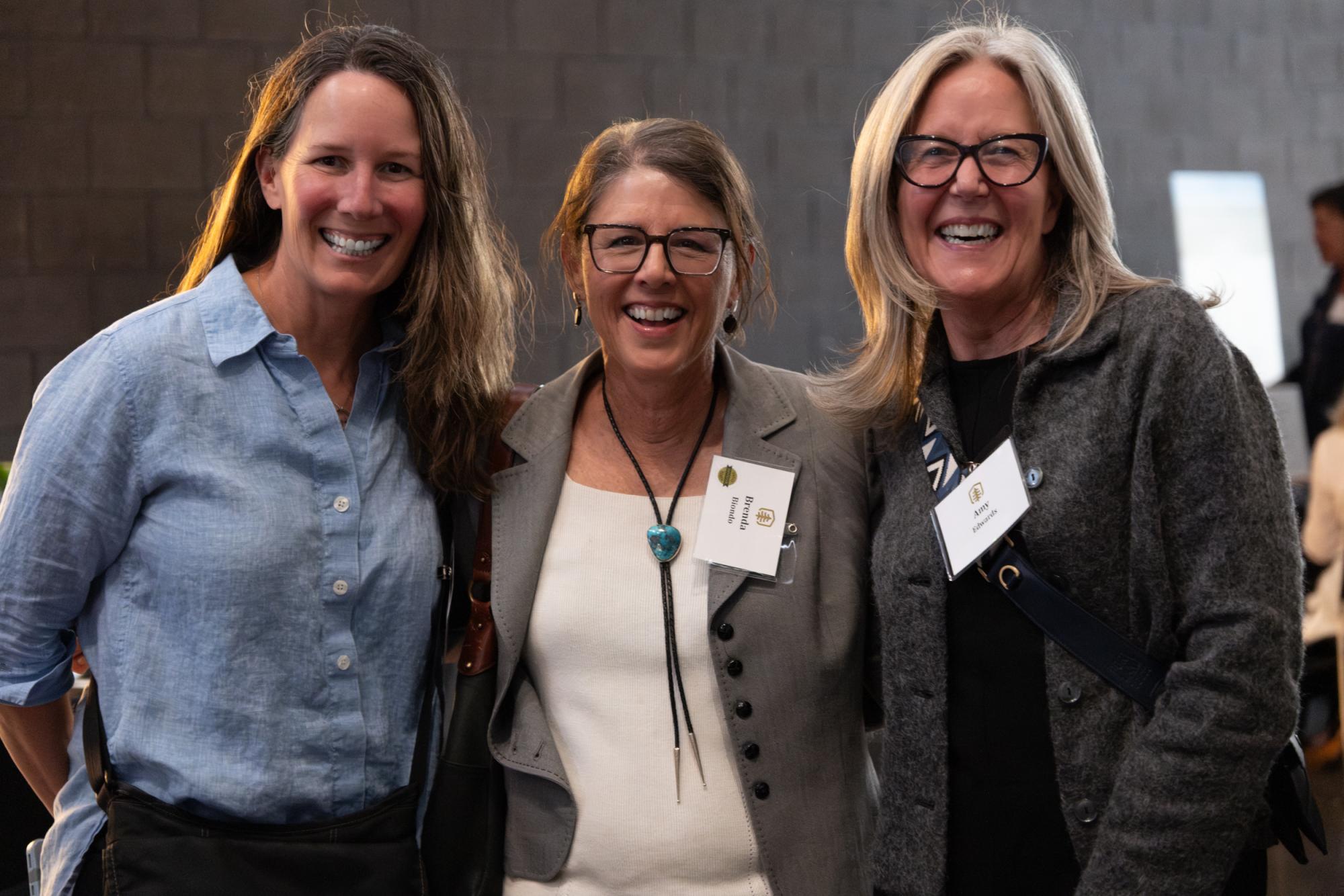
Back to blog feedTen years ago, Women in Conservation began as a backyard get together. It was an opportunity to bring women together around shared values, shared challenges, and a shared belief that land and water matter to the future of our communities.
The event has grown, but the same spirit persists. What began as a gathering of tenacious women has evolved into a broader community dialogue centered on conservation, resilience, and leadership. As moderator, Andrea Aragon, Executive Director of the Robert Hoag Rawlings Foundation, reminded the audience that in the West, water sits at the heart of many of these conversations: "water is our lifeblood, our history, and our greatest challenge as we face in the era of unprecedented scarcity, especially after this last winter, we need resilience, innovation, and hope."
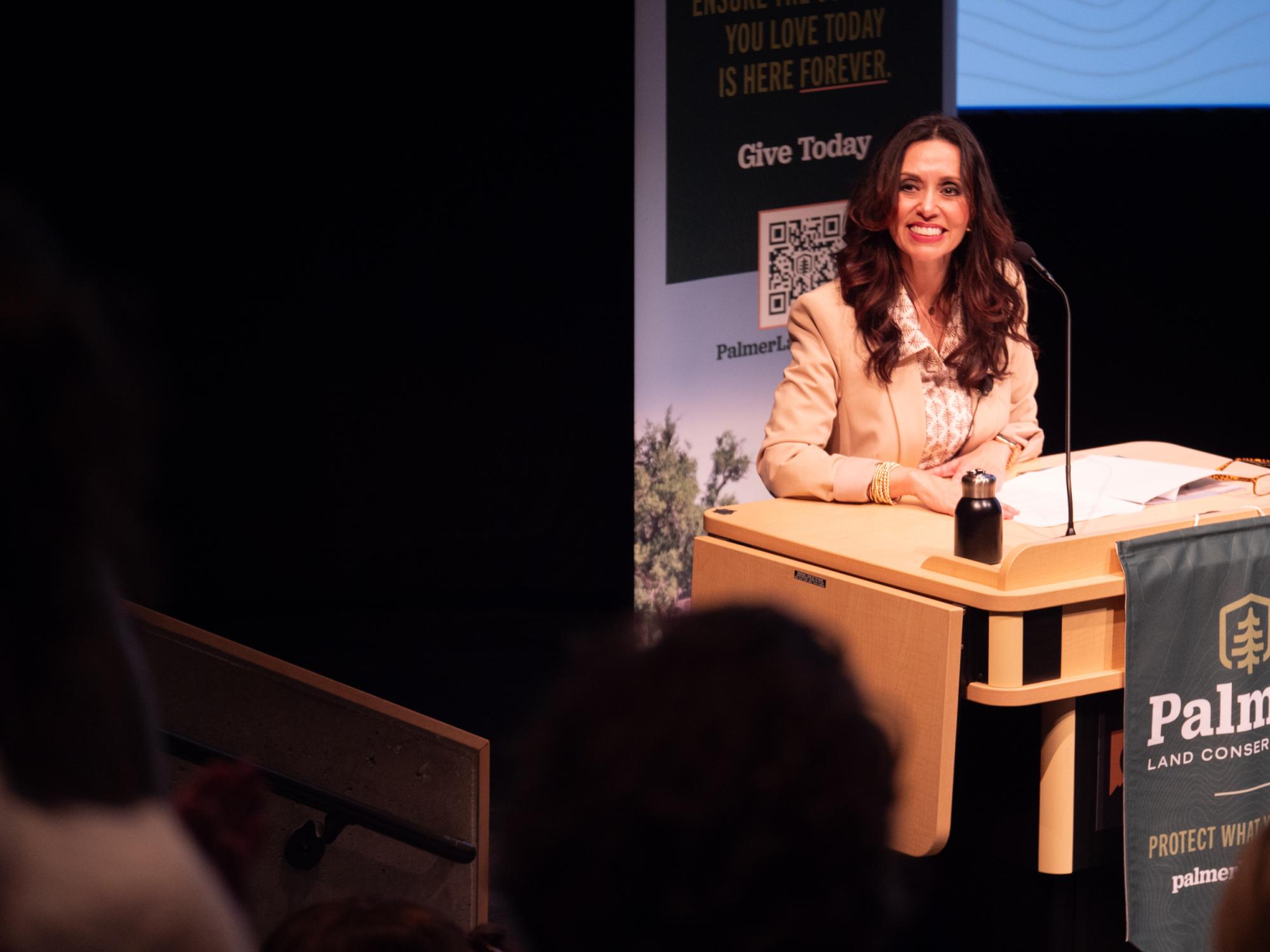
That framing set the tone for the evening. The discussion that followed explored how land, water, and community are deeply connected and why collaboration across disciplines is essential to protecting all three.
The Thread Connecting Everything: Water
Early in the discussion, Palmer Land Conservancy President and CEO Rebecca Jewett spoke about the inseparable relationship between land and water. Conversations about conservation often begin with place, but they quickly expand to include water systems, agricultural needs, and community priorities. In Colorado and across the West, these elements are tightly connected, and decisions about one inevitably affect the others. "If we can step back and say we have this precious resource, and how can we chart solutions that acknowledge all these different sides," Jewett explained, we can find ways to move forward that benefit agriculture, communities, and nature.
That idea shaped the evening’s conversation. Water influences how communities grow, how farmers and ranchers operate, and how nature and wildlife adapt. It also brings competing needs into focus. Municipal growth, agricultural viability, ecological health, and long-term resilience all depend on the same limited resource. Conservation work often sits at the intersection of those competing priorities, helping create solutions that support both land and people.
The discussion highlighted how water connects daily life to broader conservation efforts. It shapes food systems, economic development, and community identity. It also reveals how collaborative approaches are necessary for lasting impact. Thoughtful conservation strategies can help support both landscapes and the communities that depend on them.
Watch the Full Panel Discussion
Different Paths, Shared Purpose
Each panelist brought a distinct perspective to the conversation, reflecting the many ways conservation work takes shape.
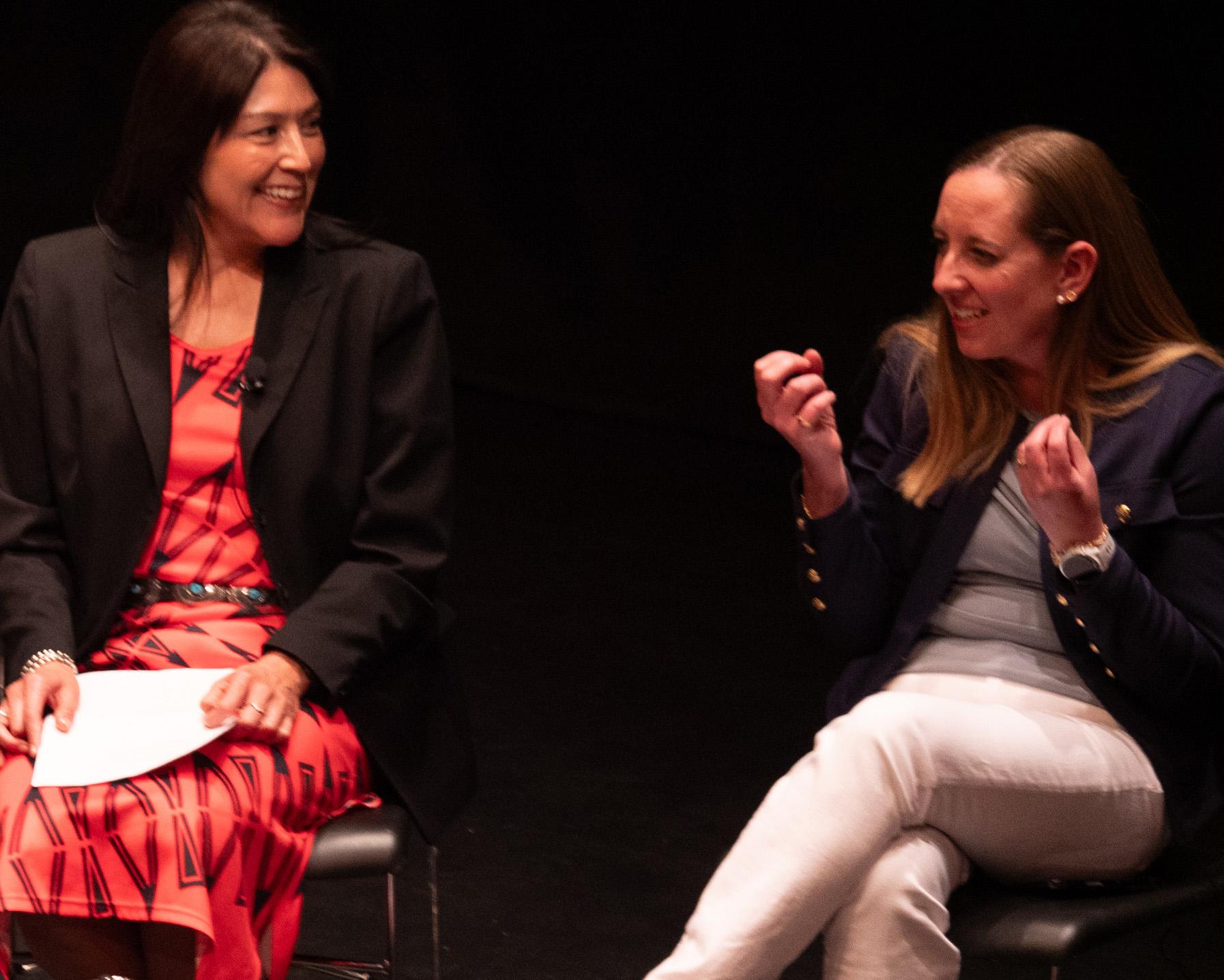
Tahlia Bear, Senior Indigenous Peoples Engagement Manager at Western Resources Advocates, spoke about Indigenous leadership and the importance of partnership in shaping decisions on energy, land, and water. Her reflections emphasized how cultural knowledge and lived experience strengthen conservation conversations, particularly in communities that have stewarded these landscapes for generations. Her perspective emphasized learning, listening, and continued exploration of new ideas. When asked what she hoped people would take away from the evening, she encouraged curiosity, saying, "I hope people take away one new thing that they've learned that they want to learn more about."
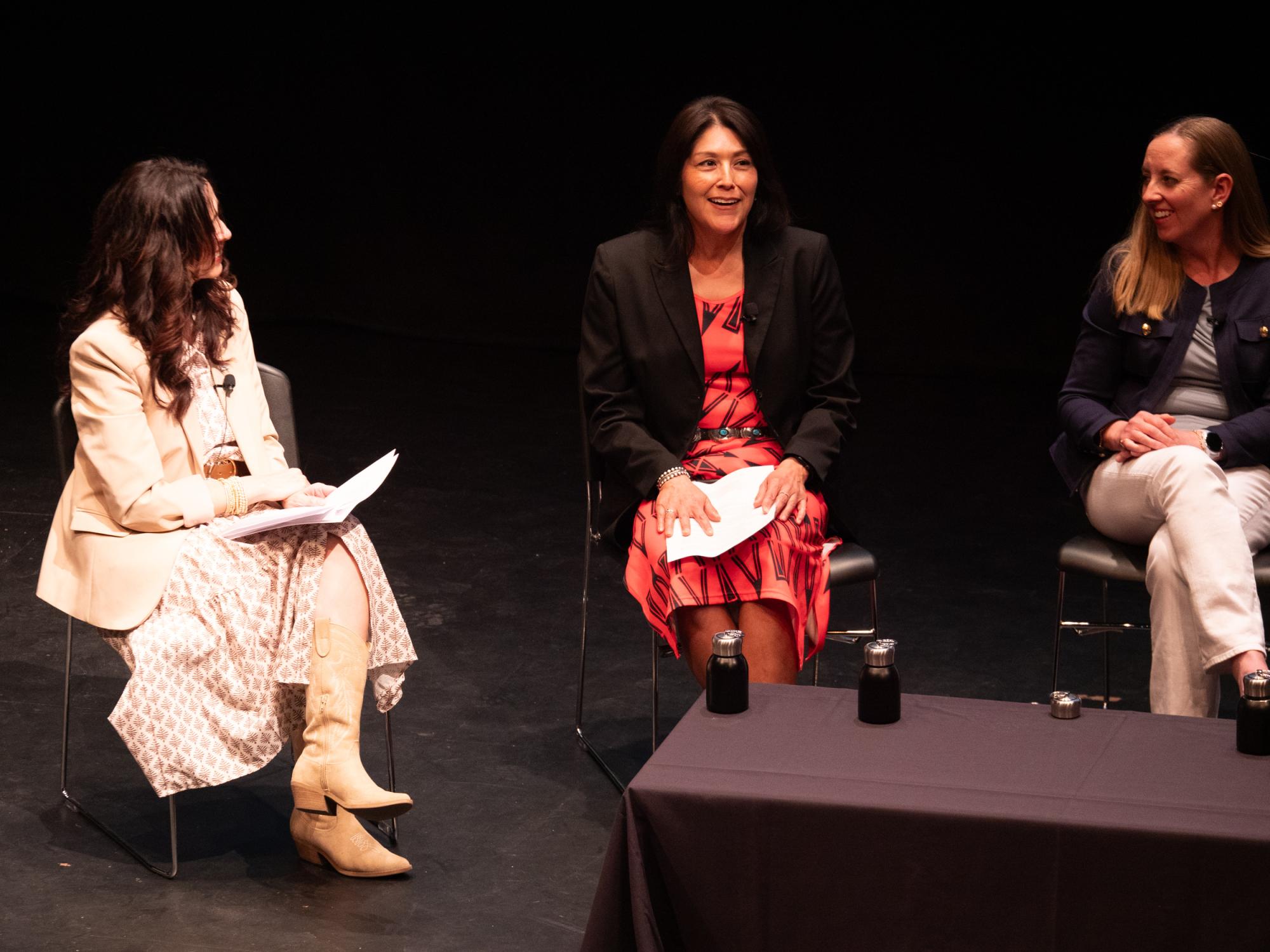
Jan Martin, President of the Garden of the Gods Foundation and Pikes Peak Waterways, shared how waterways can serve as connectors within communities. Rivers and water systems are often viewed as infrastructure, but they can also serve as gathering spaces that support recreation, economic vitality, and community identity. When people reconnect with water, they often deepen their understanding of the broader landscape. She also reflected on the importance of optimism when facing complex challenges. Her takeaway focused on maintaining hope and continuing to move forward together, specifically saying about the COS Creek Plan, "Everybody is excited and wants us to succeed. … we want to get up every day and go do it, go keep working on it, because we really believe that this project is transformational for the city of Colorado Springs.”
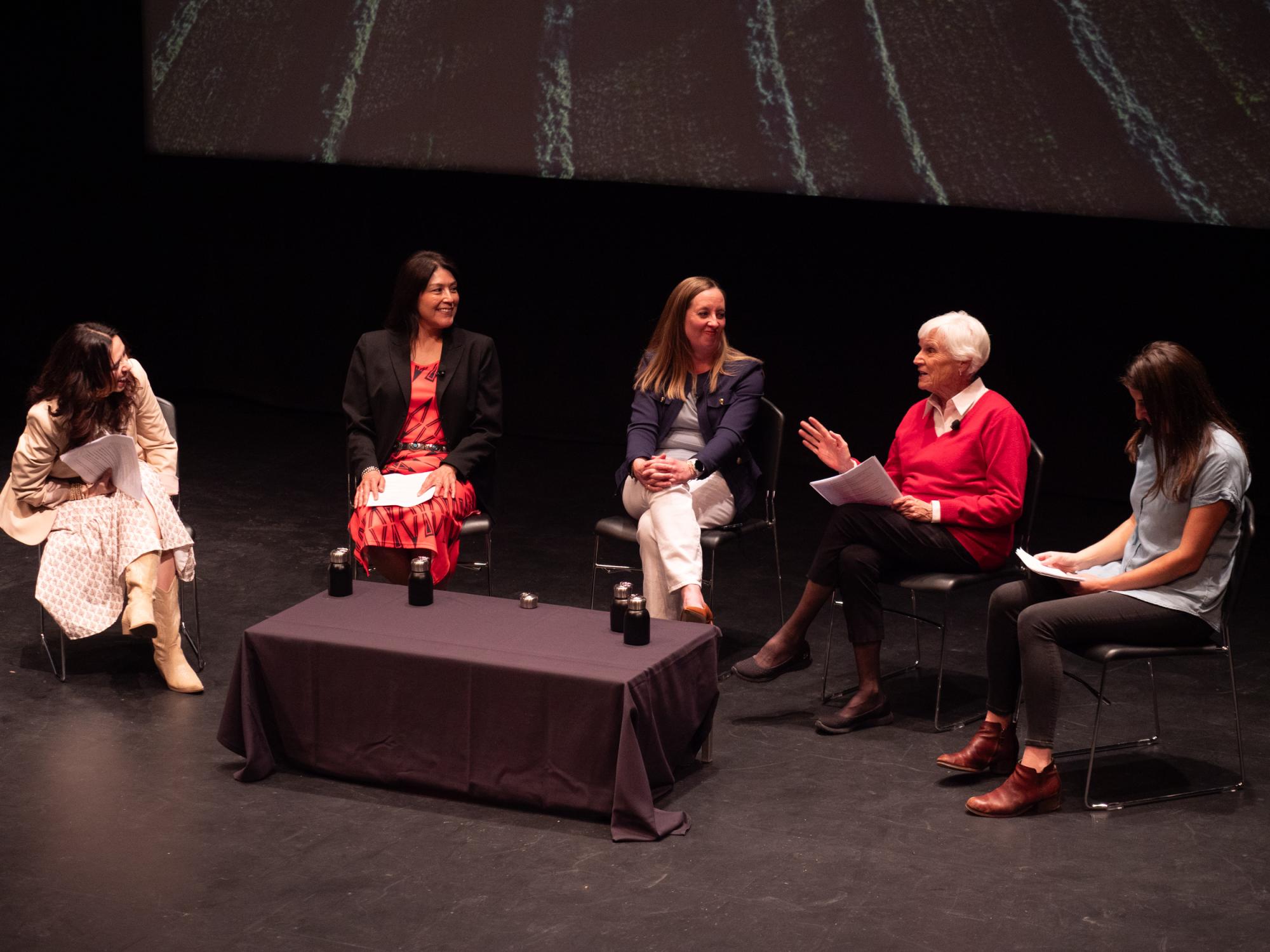
Caitlin Ochs, National Geographic Explorer and Visual Storyteller, focused on the role of storytelling in conservation. Complex issues such as climate, agriculture, and water management can feel distant or technical, but storytelling helps people see how those systems affect their everyday lives. When individuals recognize their connection to land and water, conservation becomes more personal and more relevant. She noted that ideas often begin with individuals, but meaningful change grows through collective effort, explaining that "individuals can spark ideas, but change comes from communities."
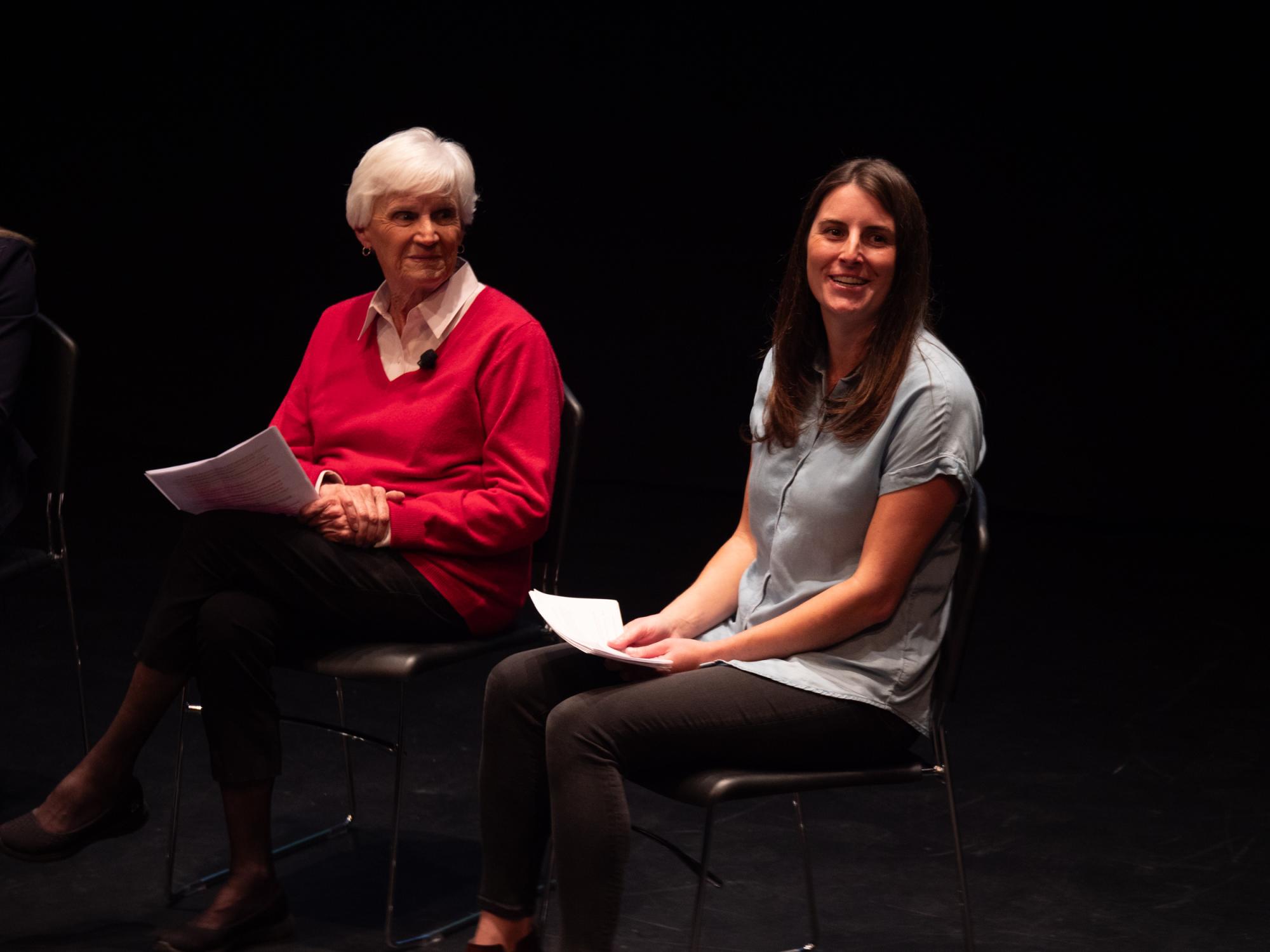
Rebecca Jewett, President and CEO of Palmer Land Conservancy, grounded the conversation in the practical realities of conservation work. Partnerships with landowners, long-term planning, and collaborative solutions are central to protecting both land and water. These efforts often happen quietly, but they shape the landscapes communities rely on and help ensure that working lands remain viable for future generations. In the end, it's collaboration across all areas. “We need to look at all these different factors within the system and say, these are all important, and let's figure out together how we can achieve these different goals."
Together, their perspectives created a broader understanding of conservation. The work extends beyond protecting open space. It includes food systems, cultural knowledge, water resources, recreation, and community health. Each element contributes to a larger picture of resilience.
Curiosity, Hope, and Action
As the conversation neared its close, the panelists reflected on what they hoped the audience would carry forward. One theme that emerged was curiosity. Learning about land and water issues often begins with a single idea, and that initial interest can grow into deeper engagement. Understanding how these systems function helps build informed communities that are better prepared to support conservation efforts.
Hope also emerged as a central theme. While the challenges surrounding land and water are complex, collaboration continues to create opportunities for progress. Partnerships across communities, organizations, and disciplines help build solutions that balance competing needs.
A big final takeaway—action. Conservation requires more than awareness. It depends on people who stay engaged, ask questions, and support efforts that protect landscapes and resources. Every level of involvement matters, whether through learning, advocacy, partnership, or direct conservation work. Andrea Aragon closed the evening by inviting the audience to take that next step, reminding them that “every action that you do, no matter how small, really truly does make a difference."
What Tenacity Really Means
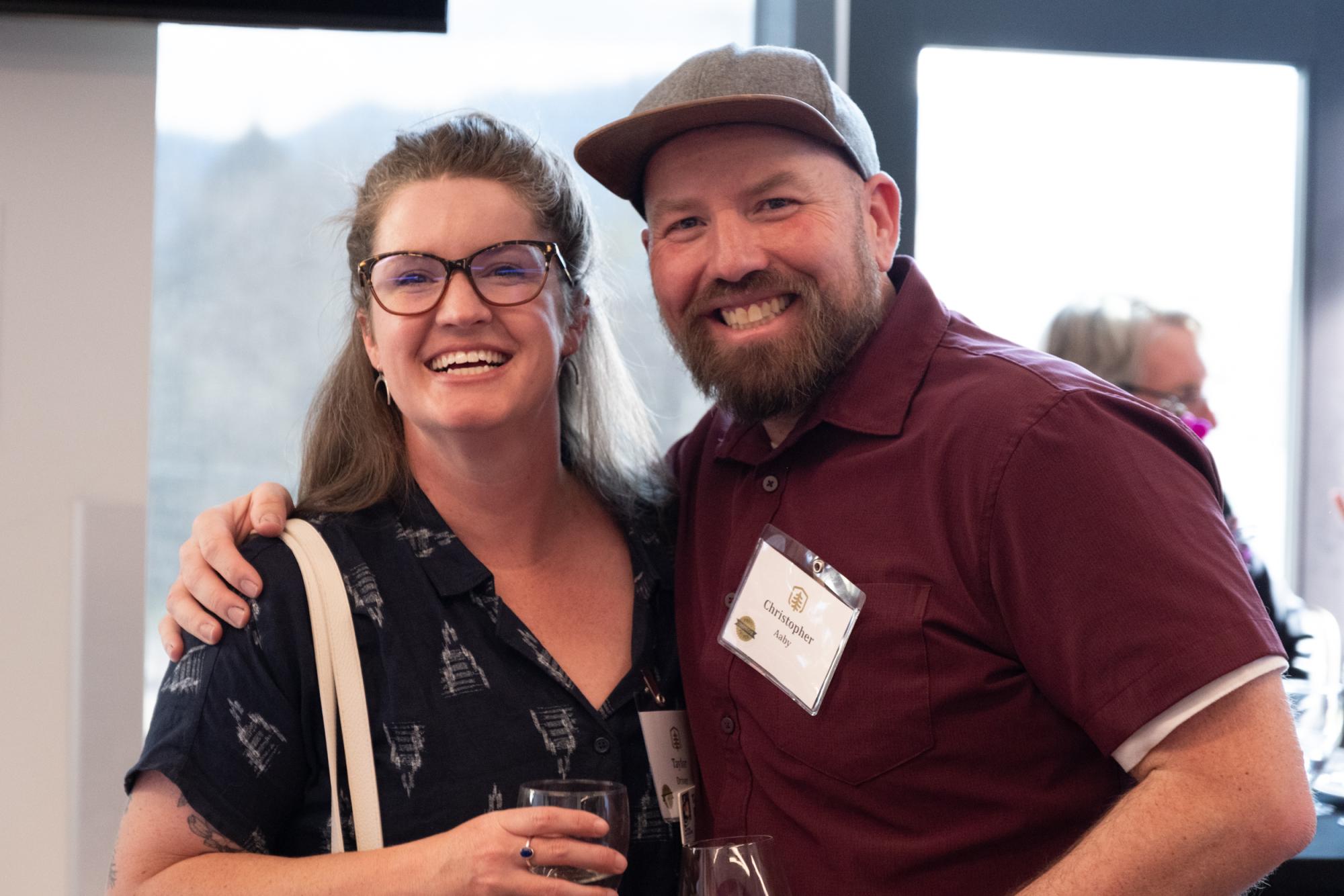
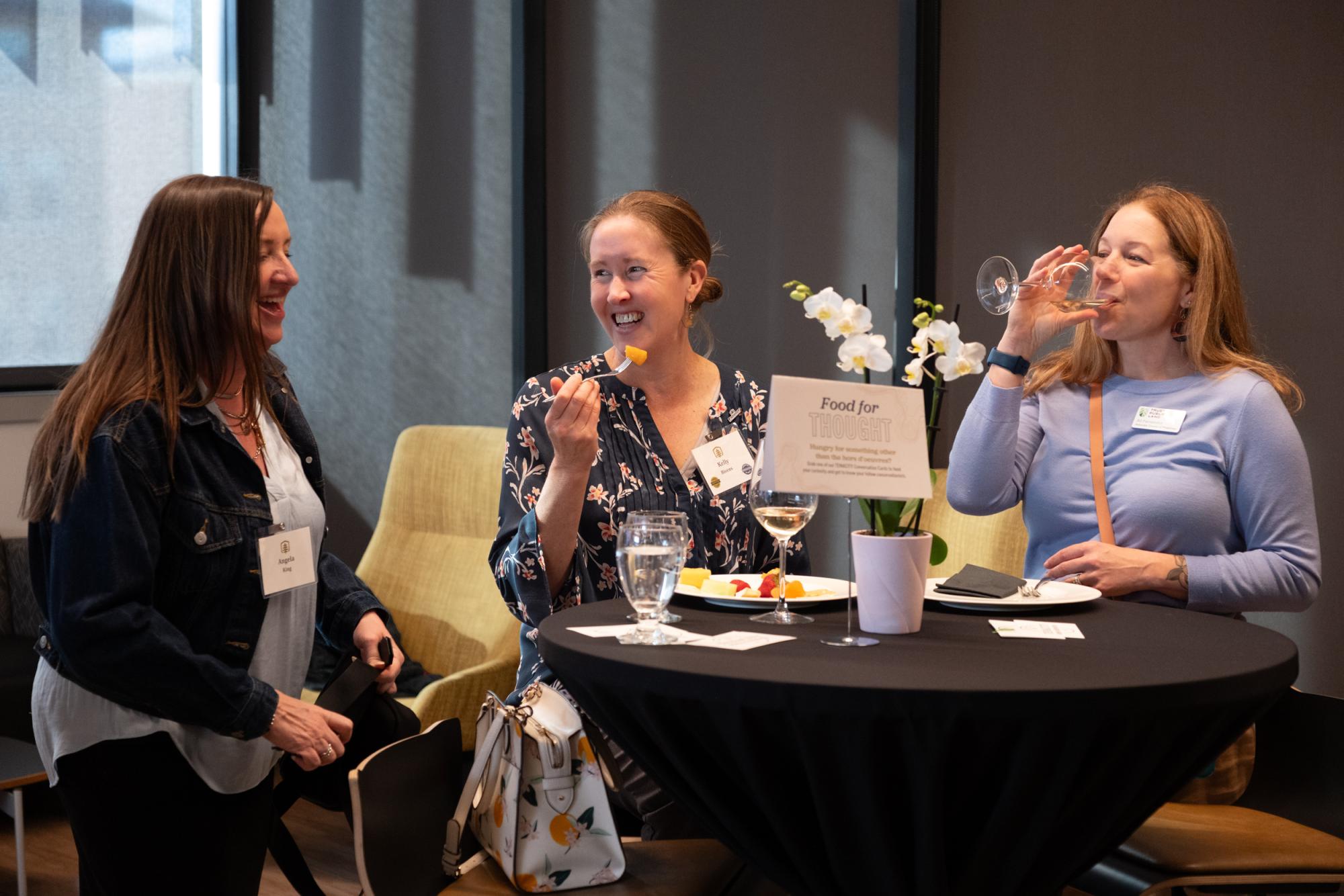
Tenacity reflects persistence, but it also represents collaboration, patience, and shared responsibility. The evening demonstrated how conservation benefits from diverse perspectives and open dialogue. Science, storytelling, policy, and community leadership each contribute to stronger outcomes when they are brought together.
The discussion moved between personal experiences and regional challenges, showing how local actions connect to broader conservation goals. Protecting working lands supports food systems. Conserving water resources strengthens communities. Maintaining open space improves quality of life.
Tenacity provides space for these conversations to unfold. It encourages learning, builds partnerships, and highlights the people working every day to protect the landscapes that define Colorado.
Looking Ahead
The challenges facing land and water in the West continue to evolve. Growth, climate pressures, and competing needs will require thoughtful collaboration and long-term planning. Conversations like Tenacity play an important role in building understanding and encouraging engagement across communities.
Tenacity 2026 reflected the passion, knowledge, and commitment of those working in conservation today. It also highlighted the importance of continuing the conversation. The future of land and water will be shaped by partnerships, shared learning, and the willingness to work together toward solutions.
The evening served as a reminder that conservation is not driven by a single voice. It grows through community, collaboration, and persistence. That collective effort is what gives Tenacity its meaning and what continues to move conservation forward.
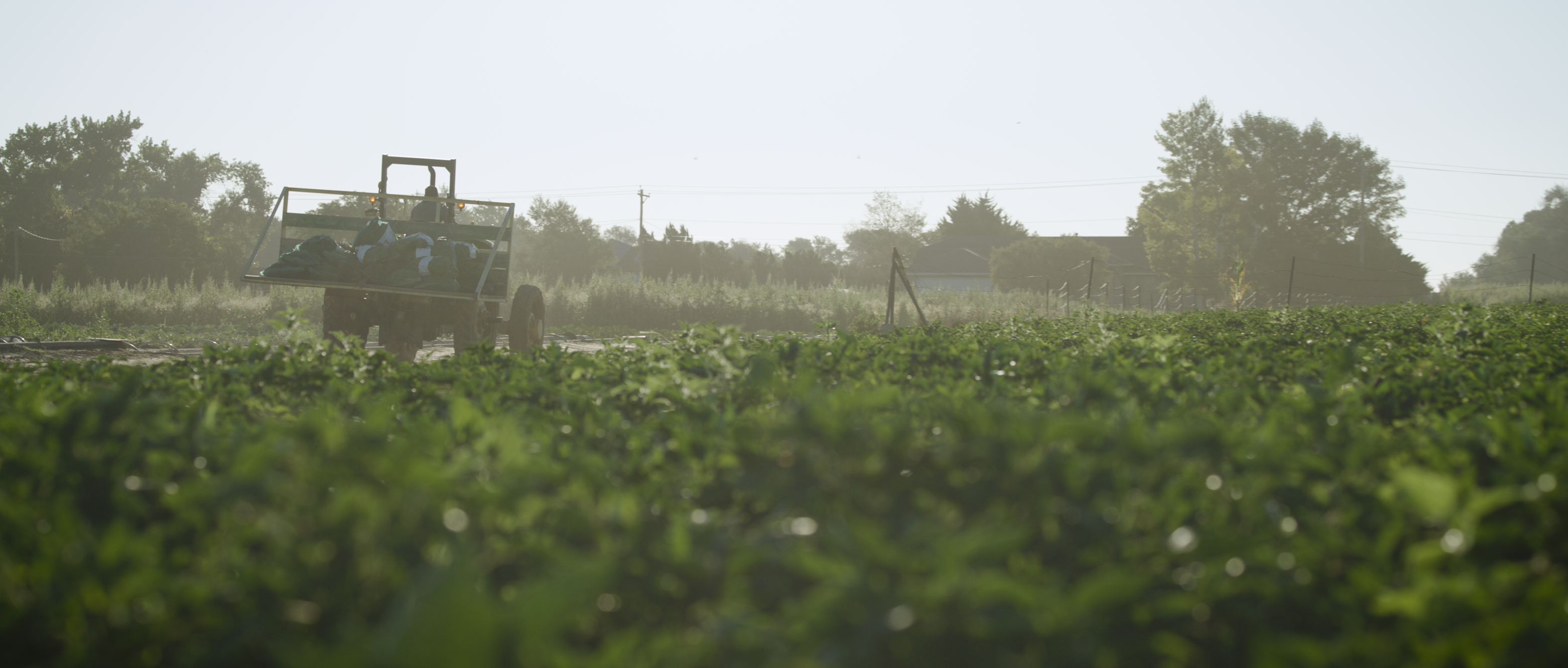

A FILM ABOUT WATER, LAND, AND A WAY OF LIFE
We are delighted to announce the full film is now available to watch for FREE online!